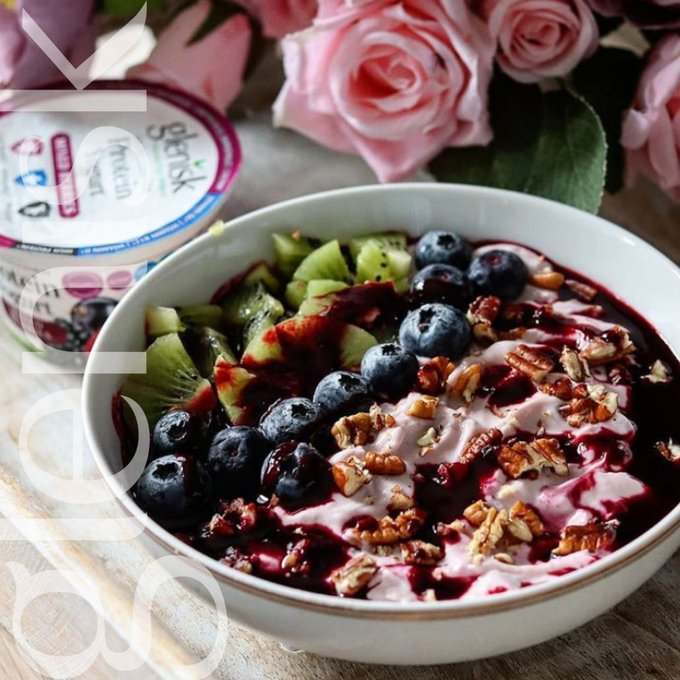
happyrunnerlovefoods BlackBerry quinoa porridge I give you a recipe for yesterday’s porridge
Ingredients: ✔️40g quinoa dry or about 128g cooked ✔️25g oats ✔️250ml almond milk unsweetened @asda ✔️2ml vanilla extract
❗280cals, Carbs:47g, Protein:11g, FAT:9g❗
Optional: ✔️70ml BlackBerry coulis (homemade) ✔️150g high protein yogurt (I used mixed berries @gleniskinsta ) ✔️Handful blueberries ✔️10g pecan nuts ✔️Kiwi
Instructions: 1. Add the milk and quinoa into a pan. Bring to the boil, then lower the heat and simmer for 15 minutes, uncovered, or until the quinoa tails sprout. 2. Add the oats and 80ml water to the quinoa and cook until it reaches a porridge consistency – about 10 minutes, uncovered. Add more water or milk if desired. 3. Pour into bowl and serve with yogurt, nuts, fruits and blackberry coulis.
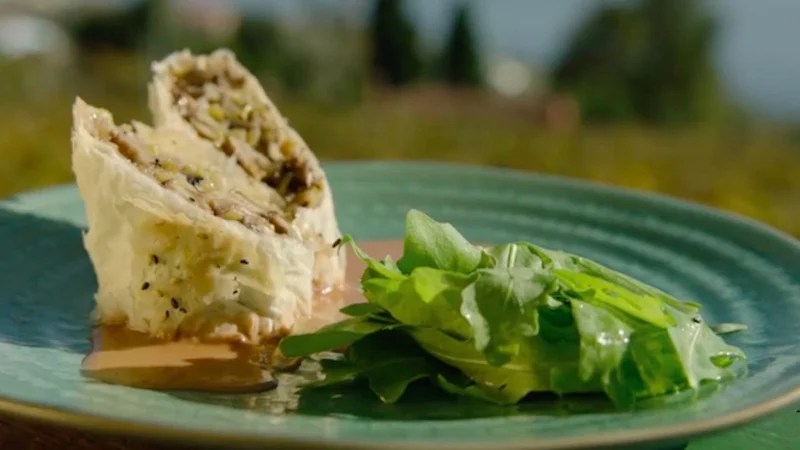
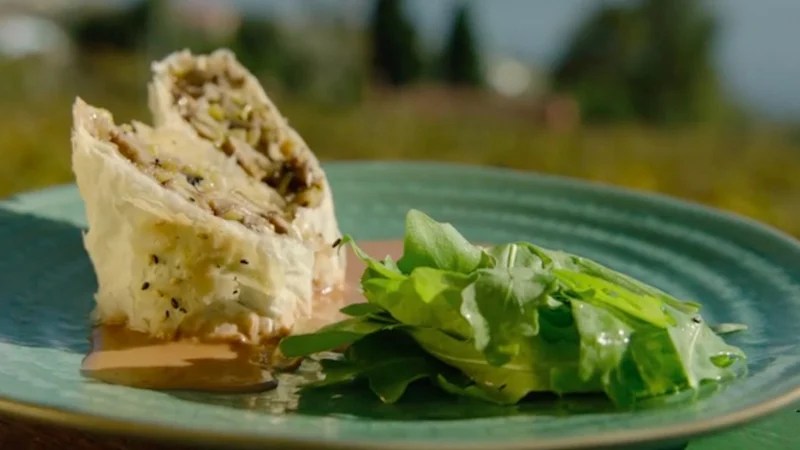
Neven Maguire’s mushroom & leek strudel with madeira wine sauce
Ingredients
Serves 4-6
For the strudel
2 tbsp olive oil, plus extra for oiling
1 small onion, peeled and finely diced
2 garlic cloves, peeled and crushed
225g mixed wild mushrooms roughly chopped
1 small leek, washed and finely sliced
2 tbsp double cream
2 tbsp Madeira Wine
2 tbsp chopped parsley
4-5 sheets filo pastry, thawed if frozen (about 100g/4oz in total)
1 egg, beaten
salt and freshly ground black pepper
mixed salad leaves, to serve
For the madeira wine sauce
700ml beef stock
1 tbsp tomato purée
3 tbsp Madeira Wine
3 tbsp cream
Method
For the strudel
Preheat the oven to 190°C/375°F/ gas mark 5.
Line a baking tray with parchment paper.
Heat the olive oil in a large frying pan.
Add the onion, garlic and mushrooms and cook over a medium to high heat for 2-3 minutes until almost tender.
Reduce the heat, add the cream and Madeira to the pan and cook for another minute.
Add herbs and salt and pepper to taste.
Sauté for another minute until the spring onions are just tender and the liquid has almost completely reduced.
Allow to cool completely.
Unroll the sheets of filo pastry and place them all, one on top of the other, on a work surface.
Brush the top sheet of pastry with beaten egg and then spread over the mushroom mixture to within 4cm (1½in) of the edges.
Fold the short ends inwards a little to meet the mushroom mixture and then, starting with a long edge, roll up the pastry fairly tightly like you would a Swiss roll, keeping the mushrooms in place as you roll.
Place the strudel seam-side down on the parchment paper and brush it all over with the remaining beaten egg.
Bake for 20-25 minutes until crisp and golden brown.
Allow to cool for a few minutes before carefully placing on a chopping board.
Cut the strudel into thick slices and arrange on warmed plates. Drizzle some sauce beside it and serve with some mixed salad leaves.
For the madeira wine sauce
Heat a heavy based saucepan, add the Madeira Wine and reduce by half.
Gradually whisk in the beef stock until smooth, followed by the tomato purée.
Simmer for approximately 5 minutes, stirring occasionally until slightly thickened.
Whisk in the cream, bring to the boil, season to taste and thicken with some diluted cornflower.
No Friday would be complete without a seriously delicious pizza. Check out how easy these gorgeous pizzas are to re-create at home (using our very own Progress Oatlets), and you’ll be making your own Italian fakeaways every Friday night. Ciao! #FlahavansOats
Serves 2 pizza bases|Takes 15 mins
Ingredients: For the Pizza Bases: 85g Progress Oats 1 large egg white ½ tsp salt Optional – 1tsp garlic powder, 1 tsp onion powder, 1tbsp grated parmesan or 1tsp nutritional yeast For the tomato topping: 400g tin chopped tomatoes 2 tbsp tomato purée 1 tsp dried mixed herbs 1 tsp honey 1 tsp sea salt flakes Couple of grinds of black pepper
Method: For the Pizza Bases: Pre-heat the oven 200C Combine the oats, egg white, salt and season in a high-speed blender and blitz for 2 minutes until completely blended. Heat a small heavy based frying pan over a medium heat. Add one tsp of vegetable oil. Spread half the oat mixture over the pan and cook for 2 minutes until the mixture firms up. Move the oat base onto a lined baking sheet and spread over the toppings and bake for 5 minutes until the pizza is cooked through
For the tomato topping:
Drain the tinned tomatoes through a sieve over a bowl, pressing with the back of a ladle until about most of the juice has drained. Tip the sieved tomatoes into a bowl and stir in the tomato purée, herbs, sugar and plenty of salt and pepper. Pour the tomato mix into a high-speed blender and blitz for 1 minute.
My brother, Kenneth, loves Asian food and he is in no doubt that he is far better than me at cooking it! I don’t disagree. He is proud of this chicken satay dish and often makes it for the family. This dipping sauce also works well with pork, prawns, beef strips or turkey. And remember, kids just love anything on sticks!
SERVES 4
4 tbsp dark soy sauce
2 tsp clear honey
2 tsp medium curry powder
450g (1lb) skinless chicken breast fillets, cut into long strips
FOR THE PICKLED CUCUMBER SALAD:
4 tbsp rice wine vinegar
2 tbsp caster sugar
pinch of salt
½ small cucumber, peeled, halved, deseeded and thinly sliced
FOR THE DIPPING SAUCE:
2 tbsp crunchy peanut butter
2 tsp dark soy sauce
1 tsp light brown sugar
juice of ½ lime
1 x 160ml (5½fl oz) tin of coconut milk (Thai Gold, if possible)
½ red chilli, deseeded and finely diced
2 tbsp chopped fresh coriander
sea salt and freshly ground black pepper
1 To make the dipping sauce, place the peanut butter in a small pan and stir in the soy sauce, light brown sugar and lime juice. Gradually whisk in the coconut milk and heat gently until you have achieved a smooth sauce. Stir in the chilli and coriander, then leave to cool, stirring occasionally to prevent a skin from forming.
2 Soak 8 x 15cm (6in) bamboo skewers in a shallow dish of cold water for at least 30 minutes. Preheat a griddle pan until it’s smoking hot or light a barbecue.
3 Whisk together the soy sauce, honey and curry powder. Season with pepper and stir in the chicken pieces. Leave to marinate for 2 minutes, then thread the chicken pieces onto the soaked bamboo skewers and arrange on the barbecue. Cook the chicken skewers over medium-hot coals for 4–6 minutes, turning once or twice, until completely tender and cooked through. If using a griddle pan, reduce the heat to medium as soon as you’ve put the skewers on.
4 Meanwhile, to prepare the pickled cucumber salad, place the vinegar in a bowl and stir in the sugar and a good pinch of salt until both have dissolved. Tip in the cucumber, stirring to combine, and set aside to allow the flavours to develop. 5 To serve, arrange 2 chicken satay skewers on each warmed plate. Divide the dipping sauce among individual bowls and place to the side of the skewers. Add the pickled cucumber salad, leaving behind any excess liquid, to serve.
Butter Chicken
Swap your usual takeaway curry for this homemade chicken makhana, which combines marinated chicken with a rich, buttery sauce. This is an authentic Indian curry with its origins in Delhi, where it was first made to use up pieces of leftover tandoori chicken.
Serves 4–6
500g skinless and boneless chicken breasts or thighs
juice and finely grated rind of 1 lemon
3 tbsp mild curry seasoning
4 tbsp natural yogurt
3 tbsp sunflower oil
30g butter
2 red onions, thinly sliced
2 garlic cloves, sliced
1 red chilli, seeded
3cm piece fresh root ginger, peeled and sliced
20g fresh coriander
400ml passata (Italian sieved tomatoes)
120ml cream
sea salt and freshly ground black pepper
Trim the chicken and cut into bite-sized pieces. Put in a bowl and stir in half the lemon juice with a good pinch of salt. Add 2 tablespoons of the curry seasoning, the yogurt and 1 tablespoon of the oil. Mix to combine, then season generously with pepper. Cover and leave to marinate for at least 1 hour or up to 3 days in the fridge.
Heat the rest of the oil and a knob of the butter in a wok or skillet over a high heat, and quickly sear the marinated chicken in batches until golden brown, transferring with a slotted spoon to a clean bowl as you go. Add the onions to the pan and sauté for 4–5 minutes until they start to caramelise.
Tip in the garlic, chilli and ginger, then add another knob of the butter and sauté for 1–2 minutes. Chop the stalks from the coriander and add them to the pan with the rest of the curry seasoning and another knob of the butter. Toast for a few minutes until very fragrant. Pour the passata into the pan and bring to a simmer, then add the cream and the rest of the lemon juice.
Transfer to a blender and blend until you have a very smooth sauce. Return to the pan and add the chicken with any juices and reheat gently for about 5 minutes until the chicken is cooked through and tender. Season to taste, then fold in the lemon rind with the rest of the butter and the coriander leaves, reserving a few sprigs to garnish. Transfer to bowls and garnish with the coriander sprigs.
SERVE WITH … This mild and creamy curry is sure to please all tastes. Make some Homemade Flatbreads, perhaps brushing them with a little melted butter and sprinkling with black onion seeds. A bowl of Pilau Rice completes the meal, alongside some spiced mango chutney, mint raita and lime pickle.