2 tbsp extra virgin olive oil, plus a little extra, if liked
500ml (18fl oz) boiling water
75g (3oz) rice flour
1 tbsp sumac, plus extra to garnish
150g (5oz) organic salmon fillets, pin-boned and skinned
75g (3oz) toasted pumpkin seeds
2 tbsp flax seeds finely grated rind of 1 lemon
2 large handfuls of watercress
1 small pomegranate, halved and seeds removed (skin discarded)
lemon wedges, to garnish
HARISSA YOGHURT:
2 heaped tbsp thick Greek yoghurt
2 tsp harissa paste
sea salt and freshly ground black pepper
Method
Neven Says: “This is a super-healthy dish packed full of omega-3. Sumac is made from the dried berries of a flowering plant that are ground to produce an acidic, reddish- purple powder that is very popular in the Middle East.
Place the couscous in a heatproof bowl and season well, then stir in 1 teaspoon of the oil. Pour over the boiling water, cover tightly with cling film and set aside.
Heat the rest of the olive oil in a large non-stick frying pan over a medium to high heat. Put the rice flour in a shallow dish with the sumac and season generously with salt and pepper. Dust the salmon in the flour mixture, shaking off any excess. Add to the heated oil in the frying pan and cook for 2–3 minutes on each side, until crisp and golden.
Meanwhile, fluff up the couscous with a fork, then fold in the pumpkin seeds and flaxseeds with the lemon rind. At the last moment, roughly chop the watercress and toss it through the couscous with the pomegranate seeds.
Mix the yoghurt and harissa together in a small bowl and season to taste. Cover with cling film and chill until needed.
Arrange the crispy salmon on plates and add an extra light sprinkling of sumac. Add a small mound of the couscous, then drizzle over a little extra olive oil, if liked. Garnish with lemon wedges and add a spoonful of the harissa yoghurt to serve.
Butternut squash risotto is a delightful and nutritious dish that combines the creamy texture of traditional risotto with the wholesome goodness of brown sushi rice and a medley of vibrant vegetables. Perfect for a cozy dinner or a special occasion, enjoy a hearty and healthy meal that will leave you feeling satisfied and nourished.
Servings: 6 Serving Size: ¾ cup
Nutritional Information Per Serving
171 calories
5 g total fat
3 g saturated fat
0 g transfat
0 g monounsaturated fat
13 mg cholesterol
362 mg sodium
24 g total carbohydrate
3 g dietary fiber
4 g total sugars
8 g protein
Ingredients
½ cup uncooked brown sushi rice
1 teaspoon olive oil
1 cup diced onion
4 cups low-sodium chicken stock
1 cup white wine
2 cups roasted butternut squash, chopped
1 cup chopped zucchini
½ cup frozen peas
5 chopped crimini mushrooms
1 tablespoon chopped sage
1 teaspoon chopped thyme
½ cup shredded Asiago cheese
1 tablespoon heavy cream
½ teaspoon kosher salt
½ teaspoon ground black pepper
Directions
Follow package directions to partially cook the rice for about 40 minutes. Drain excess water and set aside.
Preheat a medium sauté pan to medium-high heat and add olive oil.
Add the onions and sauté until soft.
Add the rice to the pan and sauté with the onions for about 2 minutes, stirring continuously.
Reserve 1/2 cup of stock. Then pour 1/2 cup of stock into sauté pan and let it absorb into the rice.
Stir in 1/2 cup of wine and let it absorb into the rice.
Continue adding stock and wine in 1/2-cup increments, cooking each time until the liquid is absorbed before adding more, about 30 to 45 minutes total.
Add the squash, zucchini, peas, mushrooms, sage and thyme to the pan, and cook until the vegetables are soft, about 3 to 5 minutes.
Add the last 1/2 cup of the stock. Once the stock is absorbed into the rice, add the cheese, cream, salt and pepper; stir well.
Dietitian’s tip:
Traditional risotto is made with uncooked white rice. Brown rice adds fiber and nutrients, but it takes a long time to make risotto this way. That’s why this recipe calls for partially cooking the rice.
1 packet of shortcrust pastrythawed if bought frozen
1 tbsp flour
1 eggbeaten
Handful flaked almonds
Directions
1
Place raspberries in a medium sized bowl then sprinkled over caster sugar and squeeze over some lemon juice. Stir with a fork so that some of the raspberries are broken up, but still maintaining plenty of whole ones. Set aside.
2
Pre-heat the oven to 200°C / 180°C fan assisted and place a flat baking sheet or overturned tray in the oven to pre-heat.
3
Roll out chilled shortcrust pastry on a floured surface to about 5mm thick then transfer to a baking tray lined with parchment paper. Using a sharp knife, cut the pastry into a large heart, discarding the trimmed pieces of pastry.
4
Sprinkle the flour over the middle of the pastry, this will help thicken the juices while baking, then tip out the raspberries on top and spread out over the pastry in an even layer, but keep a 4-5cm border around the edges.
5
Fold the pastry border up and over the filling, shaping the galette into a heart as you fold the edges over, until you’re back where you started, crimping the pastry together where the folds meet to help them stick.
6
Brush the pastry border with beaten egg and sprinkle with flaked almonds.
7
Place the tray directly on top of the hot tray already in the oven and bake until pastry is golden, 30-35 minutes.
8
Remove from the oven and leave to stand for about 5-10 minutes before serving with scoops of ice-cream or dollops of whipped cream while still warm.
Reason for listing: Listed as an important example of a pre-Ecclescological Movement C19 church, retaining most of its original character.
SUMMARY
19th century church; 0% pre-19th century core fabric. On site of, and same location as, medieval church.
A single-cell church, small. Consists of chancel/nave, without structural division, 5 bays; 1841-2. Vestry (north), 1 bay, later 19th century?. Construction is in limestone rubble. Slate gable roofs, vestry with slate lean-to. Openings mainly from 1841-2, simple neo-gothic. Western bellcote, single, later 19th century.
(Box pews, west gallery and pulpit from 1841-2.)
Roofs and floors: 1841-2. Finishes: later 19th century.
Condition – good.
Archaeological potential – very good. Medium-deep external drain around 40% of church; former component beyond ?40% of church; no underfloor void; no external memorials significantly close to church.
Structural value (pre 19th century) – poor. 0% pre C19 core fabric.
Group value – low. C19 church; adjacent masonry farm buildings.
Phasing:
Phase 1 – Chancel/nave, 1841-2.
Phase 2 – Vestry (and bellcote), later C19?.
DESCRIPTION
St Mary, Nash, is a single-celled church, of small size. It was entirely rebuilt in 1841-2 on the same site, and in the same location as its predecessor, retaining none of the earlier fabric.
The present church consists of a 5-bayed chancel/nave without structural division, and a single bayed vestry north of the ‘chancel’ west bay. Construction is in limestone rubble; external pointing is largely from the later 19th century and the interior is plastered. Openings are from 1841-2 and simple neo-Gothic; the windows have 4-centred heads and 2 or 3 lights, in a simple ‘Perpendicular’ style. The west door has a 4-centred head; above it lies a parapet with a single bellcote, in darker limestone and probably an addition. The chancel/nave roof is a slated gable; the vestry has a slated lean-to roof.
Richard Fenton visited the earlier church c.1810 and described it as ‘though certainly ancient… neither has, nor appears to have had, any steeple or other ornament whatever, being the meanest religious structure I have seen in this hundred’ (Fenton, 1903, 234). It was apparently single-celled like the present church; a north aisle or chapel, ‘being grown ruinous’, had apparently been demolished a few years previously. According to Lewis, 1833, it was ‘a very ancient structure, remarkable for the rude simplicity of its architecture, and is said to have been erected by one of the earliest Norman proprietors of Upton Castle’. The tithe map of 1840 shows a conventionalised church, in elevation, with a west tower that is entirely spurious (NLW, Nash, 1840).
The church was demolished and rebuilt in its present form in 1841-2, under the local architect George Gwyther, of Pembroke Dock (Cadw, 1996, 11), and was reseated with the present pews, pulpit and gallery (Pembs. R. O., HPR/15/17); the flagged floor and plaster ceiling are contemporary. The vestry had been added by 1874 (Ordnance Survey 1:2500, First Edition, Pembs. Sheet XL.6.), when the bellcote was probably (re)built in its present form. The church was repaired in the 1890s (Cadw, 1996, 11) but the details of this work are not known.
There is a good range of internal fittings from 1841-2 including box pews, a pentagonal pulpit and a west gallery (cf. near-contemporary fittings at the nearby church at Redberth). The ‘chancel’ fittings are later 20th century (Bartosch & Stokes, 1992, 11).
The font has a square bowl which cannot be closely dated.
There is 1 bell (Bartosch & Stokes, 1992, 10).
A medium-deep external drain runs along the south wall. A north aisle/chapel was formerly present. The floor appears to lie directly on the substrate. No external memorials lie significantly close to the church.
Richard Fenton saw a medieval effigy, ‘of a crusader’, lying loose outside the church; apparently it had previously lain within the former north aisle/chapel (Fenton, 1903, 235). It has been moved to Upton Chapel (RCAHM, 1925, 253).
The church was Grade II listed in 1998.
First listed in 1970. Last amended in 1996.
Reason for listing: Listed as an important example of a pre-Ecclescological Movement C19 church, retaining most of its original character.
SITE HISTORY
There is no firm evidence for the pre-conquest religious use of the site:-
St Mary, Nash, was a parish church during the post-conquest period (Rees, 1932), of the medieval Deanery of Pembroke. It was appendant to the Manor of Nash (or ‘Esse’) and was assessed at £5 in 1291 (Green, 1913, 214). Its annual value was £6 12s 8½d in 1536 (ibid.). The chapel of Upton was subordinate to Nash parish.
Patronage was vested with the Manor of Upton and Nash in the 16th century, held by the Bowen family (ibid.), but was divided among a number of individuals by the 18th century and in 1833 was in the hands of the Rev. William Evans (Lewis, 1833), when the living was a rectory, with Upton annexed, rated in the king’s books at £6 12s 8½d (ibid.).
In 1998 St Mary, Nash, was a parish church. The living was a rectory, held with Cosheston and Upton (Benefice 583) in the Archdeaconry of St Davids, Rural Deanery of Castlemartin (St Davids, 1997-8).
The dedication is occasionally given as St Catherine (Ordnance Survey 1:2500, First and Second Editions, Pembs. Sheet XL.6.).
SOURCES CONSULTED
Map Evidence
NLW, Ordnance Survey 1:2500, First Edition, Pembs. Sheet XL.6.
NLW, Ordnance Survey 1:2500, Second Edition, Pembs. Sheet XL.6.
NLW, Parish of Nash, Tithe Map, 1840.
Rees, W., 1932, South Wales and the Border in the XIVth century.
Casseroles are simply the easiest meals to prepare. First you do all your peeling, slicing and sautéing, then you pop everything into a large pot with a lid and leave it in the oven or on the hob for a couple of hours. In the meantime, you can go for a walk, watch a movie or mow the lawn, then later on, you can settle down to a hearty, warming feast.
SERVES 6–8
50g (2oz) butter
900g (2lb) venison haunch, cut into 2.5cm (1in) cubes
1 large onion, finely chopped
2 celery sticks, finely chopped
2 garlic cloves, finely chopped
50g (2oz) plain flour
2 tbsp paprika
300ml (½ pint) red wine
2 tbsp redcurrant jelly
about 1.2 litres (2 pints) beef or chicken stock
450g (1lb) sweet potatoes, peeled and cut into small chunks
1 x 400g (14oz) tin of butter beans, drained and rinsed
sea salt and freshly ground black pepper
chopped fresh flat-leaf parsley, to garnish
1 Preheat the oven to 180°C (350°F/gas mark 4).
2 Heat the butter in a large, flameproof casserole with a lid over a medium heat. Season the venison and add to the dish. Add the onion, celery and garlic and cook for 2 minutes, stirring. Add the flour and paprika and cook for 1–2 minutes, stirring to combine. Pour in the wine and allow it to bubble down, stirring constantly. Mix in the redcurrant jelly with enough stock to just cover the meat.
3 Bring the casserole to the boil, then season to taste. Cover with a lid and put in the oven for 1 hour. After this time, remove from the oven to add the sweet potatoes and butter beans, then continue cooking in the oven for another hour, until the venison and sweet potatoes are tender.
4 Spoon into warmed bowls and garnish with the parsley to serve.
Stuffed beef rolls with red wine sauce
This recipe uses a good-value cut that isn’t as popular as it should be. It’s perfect comfort food for all the family on a chilly winter evening. It does take time, though, because it needs slow cooking to get as much flavour as possible and to become very tender so that when these stuffed beef rolls are finished cooking, you will be able to eat them with a spoon.
SERVES 4
4 x 100g (4oz) slices of lean topside of beef
2 tbsp rapeseed oil
1 onion, finely diced
2 carrots, finely diced
2 celery sticks, diced
600ml (1 pint) beef stock
250ml (9fl oz) red wine
1 tbsp tomato purée
2 fresh thyme sprigs, plus extra sprigs to garnish
1 bay leaf
creamy mashed potatoes, to serve (optional)
FOR THE STUFFING:
1 tbsp rapeseed oil
1 onion, finely chopped
2 tsp fresh thyme leaves
2 parsnips, finely grated
pinch of mild curry powder
3 tbsp fresh white breadcrumbs
sea salt and freshly ground black pepper
1 Preheat the oven to 180°C (350°F/gas mark 4).
2 First make the stuffing. Heat the oil in a sauté pan. Add the onion and thyme and cook for about 5 minutes, until softened but not coloured. Add the grated parsnips and cook for 2–3 minutes, stirring. Stir in the curry powder and cook for 20 minutes, until the parsnips are tender. Remove from the heat and stir in the breadcrumbs, then season to taste. Spread the stuffing in an even layer over the beef slices and roll them up to enclose, securing them with a cocktail stick.
3 To prepare the casserole, heat the oil in a casserole over a high heat and sear the beef parcels until brown all over. Remove to a plate and set aside. Next, sauté the onion, carrots and celery for a few minutes, until they are just catching colour. Add the beef stock, wine, tomato purée, thyme sprigs and bay leaf and bring slowly to the boil. Return the beef to the casserole, then cover and cook in the oven for 1–1½ hours, until the beef rolls are meltingly tender. Season to taste.
4 To serve, remove the cocktail sticks from the beef parcels and cut them into slices. Arrange on warmed plates and pour over the sauce. Garnish with the thyme and add a dollop of mashed potatoes to each one to serve if liked.
I adore this delicious and nutritious soup. It’s great either for family suppers or for a dinner party. The soup can be frozen and the Dubliner toasts prepared in advance, then grilled at the last moment. Ideal if you need a meal in an instant. Rachel Allen
Melt the butter in a medium to large saucepan, and add the potatoes and onion, salt and pepper. Cover with a piece of wax paper and sweat over a gentle heat for 10 minutes. Meanwhile, cut the broccoli florets from the stalk. Using a small knife, remove the outer layer of skin from the stalk and discard, then chop the stalk into 1/2-inch pieces. Add to the onion and potato, cover and sweat for a further 5 minutes. Add the hot stock to the potatoes, onion and broccoli stalk, bring up to a boil, then add the chopped broccoli florets. Boil without the lid over a high heat for 4–5 minutes until soft, then add the cream. Remove from the heat, puree in a blender and season to taste.To make the Dubliner toasts, toast the bread on both sides, sprinkle with grated Dubliner Cheese and pop under a hot grill or into a hot oven for 2 minutes or until the cheese melts. Cut the toast into fingers and serve on the side with the soup.
We have partnered up with @sabarestaurantdublin to create our new @simplybetterds Thai Food range. Watch our brand ambassador @nevenmaguire learn how to make this delicious Phad Thai with Chef Yo. Find the full recipe below and shop the ingredients in your local @dunnesstores.
Method: 1. Soak the noodles in cold water until soft, about 30 minutes, then rinse under cold water and keep to one side. 2. Bring a wok to a medium to high heat, add the oil, then the chicken and stir for 2 minutes before adding the prawns and stir for another minute. 3. Bring the chicken and prawn to one side of the wok. Add the remaining oil and the beaten eggs. 4. Stir quickly and mix the egg with the chicken and prawns. 5. Add the noodles, stir for 1 minute until the noodles start to soften. 6. Then add the sauce and stir well to cover the noodles. 7. Add the bean sprouts and spring onions. Toss them through quickly for just 30 seconds to make sure the vegetables remain crunchy. 8. Serve in warmed bowls with a sprinkle of the crushed peanuts, fried shallots and dried chillies.2d
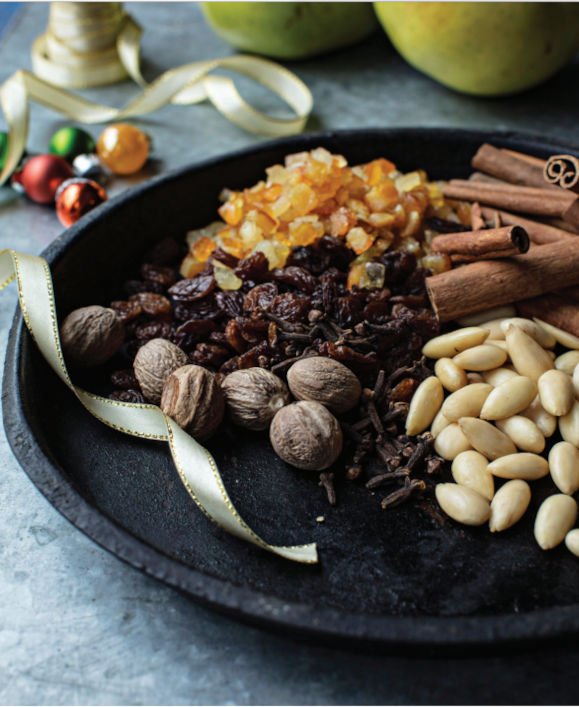
Next add the fruit mix, grated apple and ground almonds. Mix well.
Finally, add the breadcrumbs and bottle of stout.
Stir well, cover and leave to stand overnight. Transfer to a 3 pint greased pudding bowl. Steam for 5 hours.
To steam pudding in oven:
Put two long strips of tin foil crosswise on work top or table. Place roasting tin on foil. Sit pudding bowl into the tin and fill with boiling water to within 1″ of top of tin. Then bring tin foil around to form a parcel, which should be airtight to prevent any steam escaping.
Place in preheated oven at 150°C/300°F/Gas 2 for the same length of time as above. There is no need to top up with water during cooking.
Recipe Notes:
The quantities may be doubled if more than one pudding is required.
4 cups ½-inch cubes peeled butternut squash (1½ pounds; from a 2¼-pound whole squash, if that’s where you’re starting from)
1½ teaspoons kosher salt
½ teaspoon freshly ground black pepper
¼ to ½ teaspoon cayenne pepper, to taste
Ingredients, Dressing
2 tablespoons white wine vinegar or apple cider vinegar
1 tablespoon Dijon Mustard
1 tablespoon honey
1 clove garlic, grated or smashed into a paste
¼ teaspoon kosher salt
¼ teaspoon freshly ground black pepper
3 tablespoons olive oil
Ingredients, Salad
5 cups baby arugula
½ cup pomegranate seeds* (see Tip)
¼ cup pumpkin seeds, lightly toasted
½ small red onion, thinly sliced
½ cup crumbled goat cheese (4 ounces)
Freshly ground black pepper
Method
Roast the squash. Preheat the oven to 400°F. Line a rimmed baking sheet with foil and pour 2 tablespoons of the oil on the lined sheet. Place the oiled sheet in the oven (yep, nothing on it) and heat until very hot but not smoking, about 8 minutes.
In a large bowl, toss the squash with the remaining 1 tablespoon oil, the salt, pepper, and cayenne until coated. Using an oven mitt, remove the hot baking sheet from the oven and quickly pour the squash onto the sheet (you should hear some sizzling); take a few extra seconds to make sure the flat sides of the squash are hitting that hot oiled pan. Roast until the undersides are golden, about 15 minutes. Remove the squash from the oven, shake the pan (or flip the squash with tongs if you’re down with OCD, yeah you know me), return to the oven, and roast until the new underside is golden brown,10 to 15 minutes. Let cool to room temp or just warm (so it doesn’t murder the greens when you drop them on).
Make the dressing. In a screw-top jar, shake the vinegar, mustard, honey, garlic, salt, pepper, and oil until it’s creamy. (If it separates, just shake it again.)
Makes the salad. Arrange the arugula on a platter. Top with the roasted squash, pomegranate seeds, and pumpkin seeds. Scatter the onion and goat cheese on top. Drizzle with the dressing to taste and sprinkle with pepper.
*Or finely diced green apple if you can’t find pom seeds.
#ad | Looking for the perfect mince pie recipe? Try these Frangipane Topped Mince Pies from our brand ambassador @nevenmaguire using our Simply Better handmade mincemeat from @foodsofathenry and our shortcrust pastry from @rollit.pastry
Frangipane Topped Mince Pies Ingredients (Makes 24) 1 Packet Simply Better All Butter Shortcrust Pastry, thawed Plain Flour, for dusting 1 Jar Simply Better Mincemeat Flaked almonds, to garnish
For the Frangipane 150g Butter 150g Caster Sugar 3 Simply Better Free Range Corn Fed Large Eggs 150g Ground Almonds 1 Tbsp. Plain Flour 1 Tsp Vanilla Extract Zest of 1 Lemon
Method 1. Preheat the oven to 180°C (375°F/Gas Mark 5). Roll out the pastry on a lightly floured work surface to make a large rectangle, then stamp out 24 x 6cm discs (with a cutter or use a glass) and place in greased muffins tins (of course you can do this in batches).
2. To make the frangipane, combine all of the ingredients in a bowl and whisk with an electric whisk for about one minute until you achieve a soft paste.
3. To assemble, add a large teaspoon of mincemeat into each pastry case then top with a tablespoon of the frangipane mixture. Sprinkle over some flaked almonds and transfer to the oven to bake for 25-30 minutes until golden brown. Serve warm or cold with brandy butter or custard.