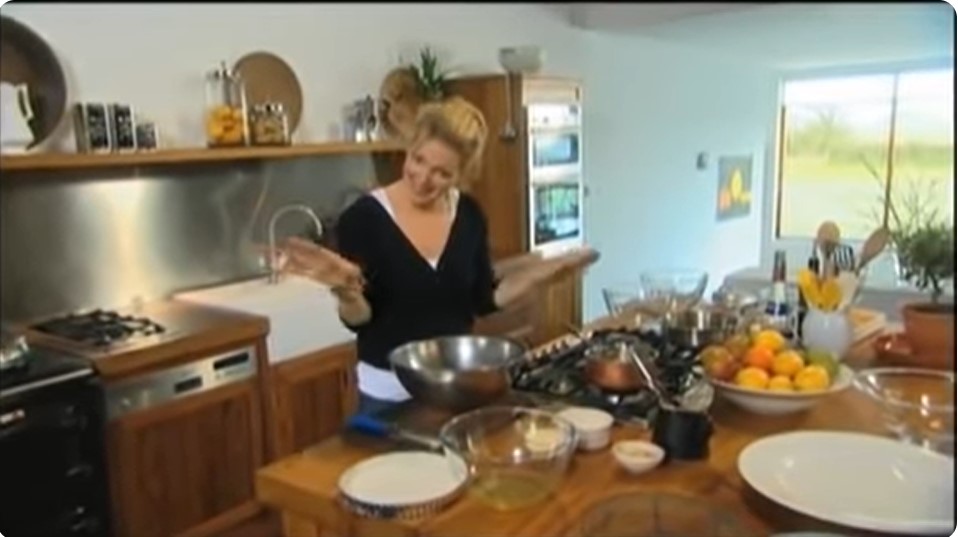
Japanese milk bread – Shokupan @rachelallencooks #Ballymaloe

rachelallencooks's profile picture

rachelallencooks

Verified

ballymaloecookeryschool's profile picture

Liked by 

ballymaloecookeryschool and others

  • rachelallencooks's profile picturerachelallencooksVerifiedHappy Homemade Bread Day 🍞

    Japanese milk bread – Shokupan

    This is a Japanese tear-and-share loaf of bread with the most wonderful pillowy soft texture. It’s inspired by the Yudane and Tangzhong method where a little bit of flour and water or milk (both in this case) are cooked together to make a white sauce before mixing in the remaining ingredients. This method pre-gelatinises the starch in the flour allowing it to absorb more liquid, giving you a super-light loaf that stays fresh for longer as it retains the moisture.

    It also is divine with cinnamon, cardamom,dried fruit and/or candied peel added as a sweet treat.

    Here’s the recipe 👇🏽 below in Comments in 2 parts! Happy baking 🧡

    This bread can be made so easily using a Thermomix @thermomixukandireland too!Edited · 3h
  • rachelallencooks's profile picturerachelallencooksVerifiedThis quantity will make one 23 cm tear-and-share loaf.

    50g water
    50g milk
    15g strong white flour

    375g strong white flour
    15g milk powder
    25g caster sugar
    1 teaspoon salt
    115g milk
    1 egg, beaten
    25g fresh yeast or 12g dried yeast
    50g butter, melted

    Pour the water and the milk into a small saucepan and bring to the boil. Add in the 15g of flour & cook, whisking all the time, over the heat for a couple of minutes until the liquid has thickened to a white sauce. Tip the white sauce into a bowl & cool.
    Place the 375g of strong white flour in a mixing bowl, or the bowl of an electric food mixer (with the dough hook attached) ) with the milk powder, the sugar & the salt, & mix.
    Now place the milk in a separate bowl & add in the beaten egg, the yeast,the melted butter & the white sauce. Stir then pour all of this liquid into the dry ingredients & mix to a dough. Knead for 8-10 minutes by hand or in the machine until you have a smooth and almost springy dough, don’t add flour while you’re kneading, the dough is supposed to be slightly sticky. When I’m using a stand mixer for this I scrape down the sides of the bowl a couple of times during kneading.
    When the dough has been kneaded enough it will be smooth on the outside. Press it with a floured finger and the dent that you make with your finger should spring back a little bit.
    Place the dough into a bowl that’s large enough to take the dough when doubled in size (or leave it in the stand mixer bowl) & cover the bowl with a clean tea towel or a plate. Place it somewhere warm, not above 45’C, or just standing on the counter in your kitchen and allow the dough to double in size, this may take 2 hours. If you wish you can place the covered bowl of dough in the fridge overnight.
    When the dough has doubled in size, using a floured fist, punch the dough down to knock it back then knead it for just 1 minute.
    Brush a 23cm spring-form tin with melted butter, then dust with flour.
    Divide the dough into 8 equal pieces, each weighing about 90g. Keep all dough covered with a clean tea towel while you work with one ball of dough. On a very lightly floured work surface, place one ball of dough.2 likesReply
  • rachelallencooks's profile picturerachelallencooksVerifiedOn a very lightly floured work surface, place one ball of dough. Fold the edges, all the way round, into the centre of the ball of dough, squashing it down in the centre as you go. Turn the ball over so that the folded side is on the underside and the smooth side is on top. Roll the ball gently under the palm of your hand to make a round roll then place into the prepared tin. Repeat with all the other balls of dough so that you end up with 7 around the sides, spaced apart, and one ball in the centre. Now cover with the tea towel again and place on the worktop or somewhere a little warmer, again not above 45’C , and allow to rise again until almost doubled in size, about 35-45 minutes.
    Preheat an oven to 200’C. The dough is ready when you make a little dent with a floured finger and it doesn’t spring back. Also, the balls of dough should have joined together at this stage. Whisk the egg with a pinch of salt and brush very gently over the top of the risen bread. Place the bread in the lower part of the preheated oven to bake for 30-40 minutes. The dough, out of the tin, should sound hollow when you tap it on the base. If you wish you can bake the bread out of the tin for the last 5 minutes of cooking time. Place on a wire rack to cool.2 likesReply
  • leanwithlesleyLooks delicious, reminds me of your ciabatta/tabata 😂❤️Reply
  • View replies (1)

Rachel’s warm winter green salad with Caesar dressing, smoked bacon and a poached egg #ballymaloe 🥰🇮🇪


.@rorysfood blackberry and sweet geranium posset #Ballymaloe

Watch How to Cook Well with Rory O’Connell at 8:30pm on Tuesday evenings on RTÉ One.

By Rory O’Connell Celebrity Chef
More from
How to Cook Well, with Rory O’Connell


Watch How to Cook Well with Rory O’Connell at 8:30pm on Tuesday evenings on RTÉ One.
Ingredients
A classic lemon posset or set cream is a simple and lovely thing and my version here with blackberries and sweet geranium leaves is I believe a good and delicious variation on the theme. It is remarkable how easy this is and how without the aid of egg or gelatine, the mixture sets into a tender chilled pudding. I like the possets served straight from the fridge, so nice and chilly. 
I often make this during the winter months using wild blackberries that I have frozen in the late summer or early autumn. If you are using frozen berries, use them straight from the freezer. I never cease to be amazed by the value one gets from a few bags of frozen fruit when fresh local fruit is simply not an option due to the seasons.  
A little softly whipped cream is the perfect accompaniment along with a fresh organic or crystallised rose petal. The combination of rose and blackberry is a marriage made in heaven and I might be tempted to add a few drops of rose water to the cream when whipping. Be careful though as too much rose water will yield a flavour that is too strong and overpowering. The flavour of the rosewater cream should be akin to catching the scent of a rose while walking about the garden – there but almost illusive.
If you do not have the lemon or rose-scented geranium, you can just leave it out. The fragrant leaves do however bring a magical element to the dish. The plants are easily found at good garden centres and can be treated as a house plant living on a bright window-sill or if the weather is mild where you live, they can spend spring, summer and autumn out of doors in a sheltered sunny spot. I can’t imagine not having one of these plants for the ravishing flavour to bring to certain dishes. In fact, it is the sort of magic that one receives from this rather innocuous looking leaf that humbles and mesmerises me and reminds me every time I use it, how astonishing nature is and how fortunate that my career has brought me down this path where I handle these treasures all of the time. Oh, joy.
The possets can be served in little cups or glasses or the prettiest receptacle you like to use. The portions are quite small as this is quite a rich little dish but I always think it is better to be longing for one more spoonful rather than being faced with too much food.
 A thin lacy biscuit such as the Nougatine biscuits would also be good here and I might be tempted to add a few drops of rose water to the cream when whipping. 
Serves
400ml cream
90g caster sugar
5 leaves of rose or lemon scented geranium
100g blackberries
50ml lemon juice.
Method
Place the cream, sugar, geranium leaves and blackberries in a small saucepan and bring to a bare simmer.
Stir the saucepan occasionally to encourage the sugar to dissolve. Maintain that bare simmer for 5 minutes. If the cream boils hard the texture and consistency of the posset will be spoiled. 
Remove the saucepan from the heat and stir in the lemon juice. You will notice the colour of the cream improving dramatically as soon as the lemon juice goes in.
Now strain the cream through a sieve to remove the geranium leaves and at the same time push as much of the blackberries through as possible. 
Pour the strained cream into 8 little cups or glasses and allow to cool before placing in the fridge for 3 hours to set.
The posset will keep perfectly in your fridge for several days. I like to cover them to protect the delicate flavour.
Serve with a little softly whipped cream and if you have them, a fresh or crystallised rose petal and a nougatine biscuit. 

Calendulas brightening the garden now 🌼🧡 @rachelallencooks #potmarigold

https://www.instagram.com/reel/DYpFONgsO20/?igsh=MWdiczJ5cmhqbWYweA==

rachelallencooks

and

2 others

Original audio

  • Calendulas brightening the garden now 🌼🧡

    Often called pot marigolds, calendulas are one of the hardest working flowers in the garden. Their bright orange and yellow petals attract pollinators, bring colour to borders, and are completely edible too.

    The petals have a light peppery flavour and can be scattered through salads, baked into cakes, infused into oils or used to naturally colour rice, butter and broths.

    🌱 Fun facts
    • Calendula, Calendula officinalis, has been grown for centuries in kitchen and medicinal gardens
    • The petals were once known as “poor man’s saffron” for the colour they bring to food
    • Calendulas will often self-seed happily around the garden each year

    🧡 Nutrition notes
    • Rich in naturally occurring plant compounds called flavonoids
    • Traditionally used in balms, teas and infused oils
    • Loved by pollinators, especially bees and hoverflies 🐝

    A flower that earns its place in both the garden and the kitchen.18h

Rachel’s Banana Butterscotch Pudding @kerrygoldusa

ban butterscotch pudding 15816

I absolutely adore this pudding from Bill’s book, Simply Bill. He made this when I appeared with him on Great Food Live, and as soon as I tasted it I was hooked. I have adapted the recipe slightly to fit the pie dish that I have. To make this for 12 people, double this recipe and cook in a 10-inch square gratin dish for 55 minutes.

Ingredients:

FOR THE PUDDING:

1 cup (4 oz) all-purpose flour

3 tbsp baking powder

1/2 cup (4 oz) superfine sugar

1 egg, beaten

1 banana, mashed

1 cup milk

1 tsp vanilla extract

6 tbsp (3/4 stick) Kerrygold Butter, melted

FOR THE TOPPING:

1/2 cup (4 oz) light brown sugar

2 tbsp corn syrup

2/3 cup boiling water

Softly whipped cream or vanilla ice cream

Directions:

TO SERVE:

Preheat the oven 350°F (180°C). Sift the flour and baking powder into a bowl. Add the sugar. Mix together the beaten egg, mashed banana, milk, vanilla extract and melted butter. Pour mixture into the dry ingredients and stir until combined. Pour this wet dough into a 9-inch pie dish and place the dish on a baking sheet.

To make the topping, put the brown sugar, corn syrup and boiling water in a saucepan. Bring to the boil and then drizzle over the pudding. Bake for 30–40 minutes, or until it feels slightly firm in the center. Serve with softly whipped cream or vanilla ice cream. If you’re not going to serve the pudding immediately, keep it somewhere warm until you are ready—it sits quite happily.

Blackberries are such a delicious fruit and well worth freezing, to use all year round @rorysfood #learnatballymaloe

https://www.instagram.com/reel/C_8zIdWMDh7/?igsh=MTRrYWtqd3IzZWYzbQ==

ballymaloecookeryschool

Follow

Original audio

Liked by aisling_meath and others