Watch Neven’s Christmas in Limerick on Thursday, 4 December on RTÉ One at 8pm.
Ingredients
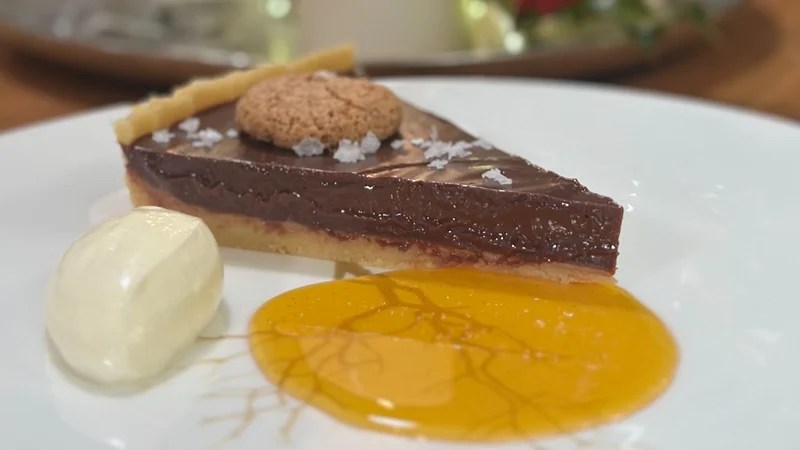
In the first of this two-part special, Neven’s Christmas in Limerick, Neven Maguire prepares Smoked Salmon Galettes, Glazed Rack of Pork with Creamy Roast Potatoes, and No-Bake Chocolate Tart.
Serves 8-10
For The Tart
300g Shortbread biscuits
150g Butter
1 Jar White Chocolate Hazelnut Spread
200g Dark Chocolate (70% cocoa solids)
100g Milk Chocolate (38% cocoa solids)
250ml Irish Jersey Cream
For The Citrus Caramel
225g caster sugar
1 tbsp glucose (liquid or powdered)
300ml orange juice
1 vanilla pod, seeds scraped out
Juice of 1 lime
Juice of 1 clementine
For Decorating
Amaretti Biscuits, to serve
Crème Fraiche, to serve
Sea Salt, to serve
Citrus Caramel, to serve
Method
For The Citrus Caramel
Place the sugar, glucose and 250ml of water into a heavy-based, high-sided pot.
Bring to the boil and then reduce the heat and simmer for 15-20 minutes until you have achieved a golden caramel colour. The sugar syrup should be a thick honey consistency, but not too runny.
Add the orange juice slowly, it will boil up vigorously, so take care at this point, whisk until the sugar has dissolved and you are left with a smooth syrup. Whisk in the vanilla seeds, lime juice and clementine juice.
Set aside and allow to cool and use as required.
For The Tart
Blitz the shortbread to a fine crumb (in a food processor or with a rolling pin and zip lock bag) and tip into a large bowl. Melt 100g of the butter in a small pan or in the microwave, then stir into the shortbread crumbs and mix until evenly combined. Press into the base and sides of a 10″ loose base tart tin.
Open the jar of white chocolate hazelnut spread into the microwave for 10-20 seconds (or you can use a pan) to loosen it up, then give it a good stir until smooth. Pour about half of the jar on to the shortbread base and use the back of a spoon to spread it out evenly. Place in the fridge to chill down.
To make the chocolate ganache, put the rest of the white chocolate hazelnut spread into a heatproof bowl along with the dark chocolate, milk chocolate and the remaining 50g of butter. Set over a pan of simmering water and allow the chocolate to melt.
In a small saucepan, gently heat the cream. Once the chocolate has melted completely add the warmed cream. Using a stick hand blender gently blend until combined and silky smooth. Pour into the prepared tart tin, place in the fridge for 2 hours until the ganache is set firm or overnight.
Remove the tart from the fridge 30 minutes before serving. To serve, carefully unmould the tart and put on a plate or cake stand, decorate with the Amaretti biscuits (if desired) cut into slices and serve with a quenelle of crème fraiche and sprinkle of sea salt.
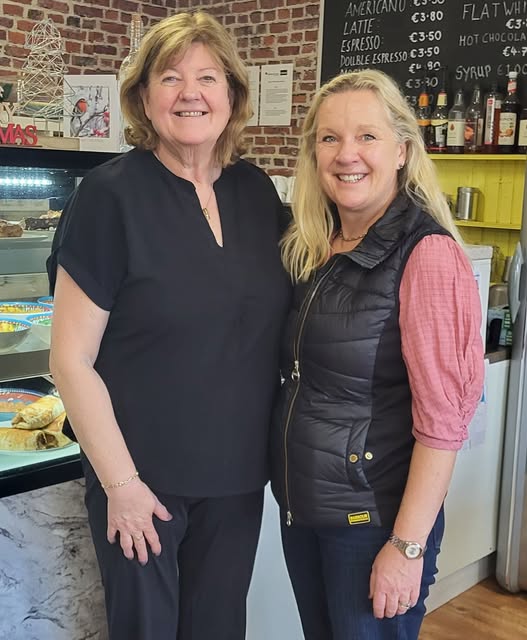
I am excited to take over the café from today. We’ll be opening the doors as usual at 10am but with all the same familiar faces and the usual cosy atmosphere that you’re used to.
I’d like to wish Emma the very best, and a big thank you for the time we’ve worked together & all the laughs we’ve had along the way.
I am looking forward to welcoming our loyal customers and new faces over the coming weeks and months.
Thank you to everyone for all your support and well wish so far. I’m very grateful.
Sourdough toast with coconut yogurt, homemade sugarfree raspberry chia jam and some homemade granola – also sugarless. This jam can be made in minutes! For how to go to our Insta or FB. #healthybreakfast#sugarfree#glutenfree#vegan#paleo#drcoys
Watch our brand ambassador @nevenmaguire prepare this delicious Ginger & Lime Baked Cheesecake. Find the full recipe below:
Ginger & Lime Baked Cheesecake with Irish Strawberry Compote Ingredients (Serves 6-8) For The Base: 2 Packs of Simply Better Handmade Oat & Ginger Cookies, crushed 75g Butter, plus extra for greasing For The Compote: 1 Bag of Simply Better Expertly Grown Frozen Irish Strawberries 250ml Simply Better Handmade Irish Raspberry & Wexford Rhubarb Cordial For the Filling: 3 Simply Better Free Range Corn Fed Large Eggs 500g Cream Cheese 100g Caster Sugar 1Tbsp Cornflour Finely Grated Rind and Juice of 2 Limes 1 Vanilla Pod, split in half lengthways and seeds scraped out To Serve: Simply Better Single Source Irish Jersey Cream, lightly whipped Method: 1. Preheat the oven to 160°C Lightly butter a 9inch loose-bottomed cake tin and line with non-stick baking or parchment paper. 2. To make the base, melt the butter in a pan set over a gentle heat. Add the crushed cookies and mix well. Spread the mixture over the base of the tin, pressing down with the back of a spoon to flatten. Place in the oven for 10 minutes to firm up. 3. Remove the tin from the oven and set aside. Place a dish of hot water in the oven on the bottom rack – this will stop a skin forming on the cheesecake. Place the cream cheese, sugar, eggs, lime rind and juice, vanilla seeds and cornflour in a mixing bowl and beat together until smooth with an electric whisk. 4. Pour this mixture into the cake tin and place on a baking sheet. Bake for 35-45 minutes until lightly golden. The filling should still be a bit wobbly at this stage. Turn off the oven, open the door and leave to cool completely. The filling will set as it cools. 5. To make the compote, place the leftover vanilla pod in a saucepan with the cordial and bring to the boil. Reduce the heat and allow to simmer for 5 minutes until reduced and slightly thickened. Place the strawberries in the pan and poach the berries for 2-3 minutes until softened but still holding their shape. Remove the vanilla pod before serving. 6. To serve, slice the cheesecake into wedges and serve with some cream and the poached strawberries.
4 x 120g fillets of smoked haddock (undyed if possible)
250ml cream
100ml milk
1 tsp prepared English mustard
1 tsp curry powder
Method
Preheat the oven to 180°C.
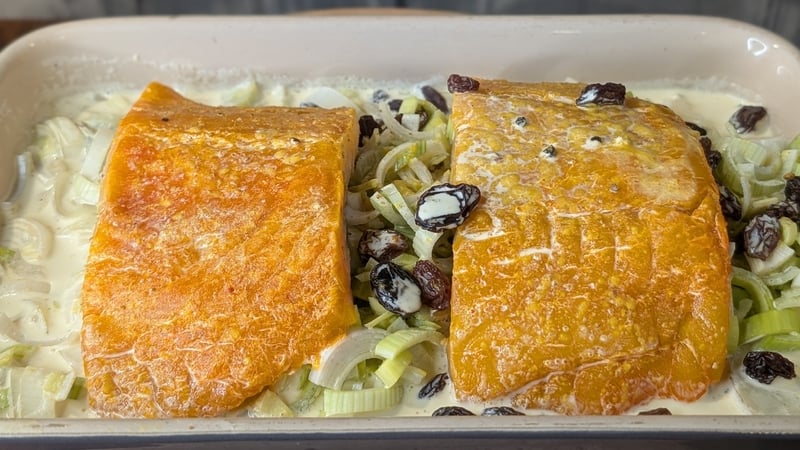
Brush a shallow casserole or baking dish with the melted butter. Put the cooked and halved potatoes on the bottom, then cover with the leek and raisins. Put the fish on top.
Whisk your cream, milk, mustard and curry powder together, then pour this over the fish and season with salt and pepper.
Cover tightly with a lid or foil and cook in the oven for 30 minutes. Serve straight to the table.
Stick to clean, cold compresses, and avoid topical ointments
Between the ages of 4 months and 2 and a half years, a lot will change in your baby’s life. They’ll start talking. They’ll start walking. They’ll need their crib mattress lowered and maybe even move to a big-kid bed.
And in that time, they’ll go from toothless little infants to toddlers with a mouthful of chompers.
Yes, in about two years’ time, your baby will cut 20 teeth. So, you’ll soon be an expert in all things teething.
But for now, you probably have questions. And are hearing a lot of different advice.
Before you go online to order the latest and greatest in supposed teething relief products, know that some of the tips and products you see online or hear about from friends aren’t your best options. Safe, effective teething relief is probably already within your reach.
We talked with pediatrician Lisa Diard, MD, about what to expect when your baby is teething and recommendations for a few ways to help them get relief.
Signs your baby is teething
All babies are different. Some fly through teething without making much of a fuss about it. Others might show symptoms.
The important thing to know, Dr. Diard says, is that teething shouldn’t majorly affect your baby (or you).
“Discomfort from teething should be pretty mild,” she says. “And any symptoms your baby does show should only last a few days until the tooth erupts.”
Signs your baby is cutting a tooth include symptoms like:
Increased chewing (on their hands, your hands, toys and whatever else is available to them).
Extra drooling.
A bit of increased fussiness or clinginess.
Red or swollen gums.
A slightly elevated temperature — less than 100.4 degrees Fahrenheit (38 degrees Celsius).
Some people claim that fevers, diaper rash and sleeplessness are also signs of teething. But Dr. Diard — and the American Academy of Pediatrics — says those and other teething myths haven’t been confirmed by research. Rather than chalk those up to teething, investigate what’s going on.
Try these teething remedies
No one wants to see their baby even mildly uncomfortable. They’re helpless tiny tykes, after all, and it’s your job to keep them safe and happy.
But teething babies are mouthy little things. They’re mini drool factories and may want to do nothing more than gnaw on everything they can. That’s totally normal, and it’s the best way to relieve their discomfort.
Dr. Diard suggests these relief options for teething babies:
Your fingers
If you’re up for it, allow your baby to nibble on your (clean!) fingers. Use your index finger to massage their gums where their tooth is coming in. They’ll appreciate the (literal) helping hand.
Try it frequently throughout the day, Dr. Diard suggests.
But really, make sure to wash your hands with soap and water before and after sticking them in your baby’s mouth. You don’t want to deal with a baby with a cold when they’re also in the midst of teething.
Wet cloths
If you’re not up for the finger method (or if your fingers need a break), a cold washcloth can do the trick, too.
Wet a fresh, clean washcloth and stick it in the refrigerator for a bit. That’ll keep it nice and cold, without being too cold as to shock your baby’s sensitive gums.
“Chewing on a cool, wet cloth can help decrease inflammation along the gums,” Dr. Diard says.
Allow your baby to chew solo. Or help out by using the cloth to massage their gums for them.
Teething rings and toys
Toys that are meant for teething can provide some relief for aching gums. Choose ones that are easy for tiny fists to grasp and provide the pressure needed to soothe sore gums. Of course, you’ll also want to avoid any choking risks, so stick with toys that are too big to be swallowed.
Some of these products are meant to be refrigerated for a cooling effect. But keep them out of the freezer.
“Frozen teething toys can make them too hard. They can also be so cold they hurt your baby’s gums,” Dr. Diard cautions. “Putting them in the fridge will be plenty cool to provide relief.”
Acetaminophen
If other measures aren’t doing the trick, a dose of pain relief medication may help.
“A day or two of Tylenol® (acetaminophen) is OK for babies who are old enough if they need a little extra pain relief,” Dr. Diard states. “You don’t want to use it longer than that without speaking to a children’s health care provider, like a pediatrician.”
If your baby needs a pain reliever for more than a day or two, something other than teething may be causing their pain.
Unless recommended by a healthcare professional, Tylenol shouldn’t be given to babies under 3 months old. Follow the dosing amounts and timeframes listed on the medication or as recommended by your provider. That will vary based on your baby’s age and weight.
Babies under 6 months of age shouldn’t take ibuprofen, unless directed by your healthcare professional.
Teething remedies to avoid
You want to help your baby feel better, of course, but there are some products out there that can do more harm than good, Dr. Diard says. Use caution with these common teething remedies, or avoid them altogether.
Teething biscuits and foods
Depending on your baby’s age and experience with solids, foods shouldn’t be your go-to for teething relief.
Babies under 9 months old may not know how to handle certain foods, so they can present a choking hazard. And a lot of those teething biscuits and cookies you’ll find won’t offer much in terms of nutrition.
“If you’re introducing solid foods at the same time as your baby is teething, cold, soft foods — like applesauce or bananas — can be good choices both in terms of nutrition and can soothe irritated gums,” Dr. Diard advises.
Topical medications
You’re better off avoiding those gel products for teething relief for a few reasons.
And other ingredients in those products cause a numbing effect that can be dangerous in their own way.
Think about it: You rub numbing gel on your baby’s irritated gums. They immediately touch it with their tongue. Now the tip of their tongue is numb. That makes it easier to accidentally bite their tongue (OUCH!). It also makes it harder to move food around their mouth properly, which can cause choking.
Teething necklaces and beads
Some people swear by teething necklaces with wood, amber, marble, silicone and other materials as an alternative treatment for teething discomfort. The makers claim some of these materials have pain-relieving properties that are absorbed by your baby’s skin to relieve teething symptoms.
What’s more, beads and necklaces present a serious risk for choking and strangulation in babies and toddlers.
If you’re worried that teething is causing your baby pain or is keeping them from living their best baby life, talk with your children’s healthcare provider. They can help understand what’s causing your baby’s discomfort so you can find safe, effective relief.
2 tbsp extra virgin olive oil, plus a little extra, if liked
500ml (18fl oz) boiling water
75g (3oz) rice flour
1 tbsp sumac, plus extra to garnish
150g (5oz) organic salmon fillets, pin-boned and skinned
75g (3oz) toasted pumpkin seeds
2 tbsp flax seeds finely grated rind of 1 lemon
2 large handfuls of watercress
1 small pomegranate, halved and seeds removed (skin discarded)
lemon wedges, to garnish
HARISSA YOGHURT:
2 heaped tbsp thick Greek yoghurt
2 tsp harissa paste
sea salt and freshly ground black pepper
Method
Neven Says: “This is a super-healthy dish packed full of omega-3. Sumac is made from the dried berries of a flowering plant that are ground to produce an acidic, reddish- purple powder that is very popular in the Middle East.
Place the couscous in a heatproof bowl and season well, then stir in 1 teaspoon of the oil. Pour over the boiling water, cover tightly with cling film and set aside.
Heat the rest of the olive oil in a large non-stick frying pan over a medium to high heat. Put the rice flour in a shallow dish with the sumac and season generously with salt and pepper. Dust the salmon in the flour mixture, shaking off any excess. Add to the heated oil in the frying pan and cook for 2–3 minutes on each side, until crisp and golden.
Meanwhile, fluff up the couscous with a fork, then fold in the pumpkin seeds and flaxseeds with the lemon rind. At the last moment, roughly chop the watercress and toss it through the couscous with the pomegranate seeds.
Mix the yoghurt and harissa together in a small bowl and season to taste. Cover with cling film and chill until needed.
Arrange the crispy salmon on plates and add an extra light sprinkling of sumac. Add a small mound of the couscous, then drizzle over a little extra olive oil, if liked. Garnish with lemon wedges and add a spoonful of the harissa yoghurt to serve.