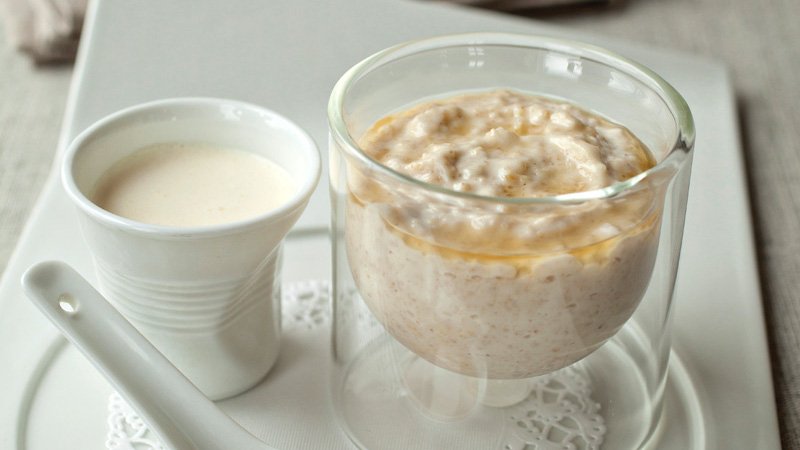
Porridge is one of our most popular breakfasts in the restaurant, and this recipe goes down a treat. On cold winter mornings, it gets you off to a good start and takes no more than 10 minutes to prepare.
Ingredients
100 g (4oz) porridge oats (organic if possible)
300 ml (1/2 pint) whole-fat milk (plus extra if necessary)
4 dsp clear honey
4 dsp irish mist
150 ml (1/4 pint) cream (optional)
Method
Simmer the porridge oats and milk together in a saucepan for 8-10 minutes, until the mixture is slightly thickened, stirring all the time. It is important that the porridge has a nice soft dropping consistency so add a little more milk if you think that it needs it.
To serve, spoon the porridge into warmed bowls. Drizzle each one with some honey and Irish mist and finally, serve with cream if you wish.
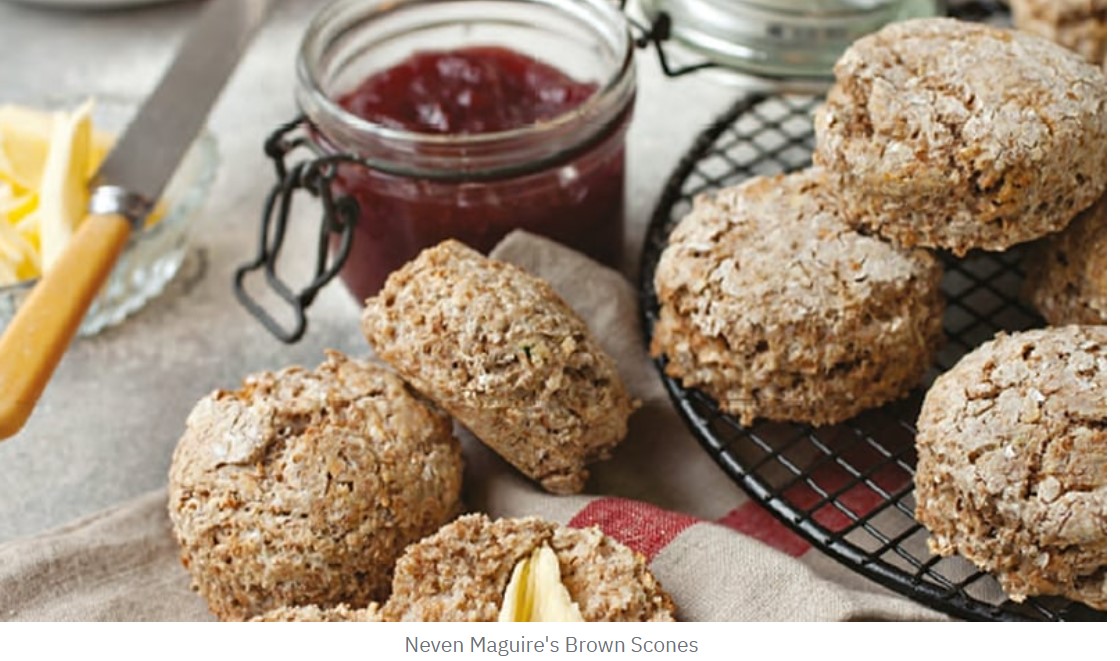
Brown scones are full of roughage and great for breakfast. And here is a good tip: you can make this mixture, shape the scones and freeze them. You can then cook the scones straight from the freezer to the oven – just give them an extra 5 minutes and make sure the scones are golden brown and well-risen.
Ingredients
Rapeseed or sunflower oil, for greasing
225g (8oz) self-raising flour, plus extra for dusting
225g (8oz) coarse wholemeal flour
½ tsp baking soda
½ tsp salt
50g (2oz) wheat bran
25g (1oz) butter, diced and at room temperature
1 tsp light muscovado sugar
300ml (½ pint) buttermilk, plus a little extra if necessary
Method
Preheat the oven to 220°C (425°F/gas mark 7). Line 2 baking sheets with parchment paper and grease the paper with a little oil.
Sift the flours, baking soda and salt into a bowl. Tip in the bran left in the sieve and stir it in with the wheat bran. Rub in the butter with your fingertips until it is evenly dispersed. Stir in the sugar.
Make a well in the centre of the dry ingredients and add the buttermilk and golden syrup. Using a large spoon, mix gently and quickly until you have achieved a smooth, not-too-sticky dough. Add a little more buttermilk if necessary, until the dough binds together without being sloppy.
On a lightly floured surface, roll out the dough to a 2.5cm (1in) thickness and cut into rounds with a 6cm (2½in) plain cutter. Arrange on the lined baking sheets and bake for 10-15 minutes, until golden brown and well-risen.
Serve with butter or lightly whipped cream and strawberry jam.
Sharon Hearne Smith’s Sesame Seed Porridge Bread from Today with Maura and Dáithí.
Ingredients
This is an unusual bread recipe, based on porridge oats and yoghurt instead of flour and water. It is quick, easy and virtually foolproof to make.
Use any selection of seeds you prefer instead of sesame seeds, or omit them altogether for a plain bread. Alternatively, add other flavours like nuts and dried fruits or sundried tomatoes and basil or a swirl of pesto would be delicious too. This bread stays quite moist and fresh for a few days stored in an airtight container.
Makes: 1 loaf (about 12 slices)
Sunflower oil for greasing
500g tub natural yoghurt
100ml milk
2 tbsp olive oil
2 tbsp sesame seeds + extra for sprinkling
2 tsp bicarbonate of soda
2 x 500ml yoghurt tubs of porridge oats (or 400g)
butter for serving, optional
Method
Preheat the oven to 200C (fan 180C), 400F, Gas Mark 6. Grease a 1Lb loaf tin (approximately 3 x 5 x 7 inch) with parchment paper and grease again.
Scoop the yoghurt into a large bowl. Add the milk, oil, sesame seeds and bicarbonate of soda and mix until well blended.
Fill a clean and dry yoghurt tub with oats and tip them in. Repeat with a second tub of oats. Alternatively, weigh out 400g of oats on a scales.
Mix everything together until well blended.
Spoon into the prepared tin, spreading the top level. Scatter a small handful of sesame seeds on top.
Bake for 45 minutes or until golden brown and a skewer comes out clean when pierced in the middle.
Remove from the tin and return the loaf to oven, directly on the shelf, for another 5 minutes to dry out the crust.
Remove and leave to cool on a wire rack. Cut into slices and serve spread with a little butter if liked.
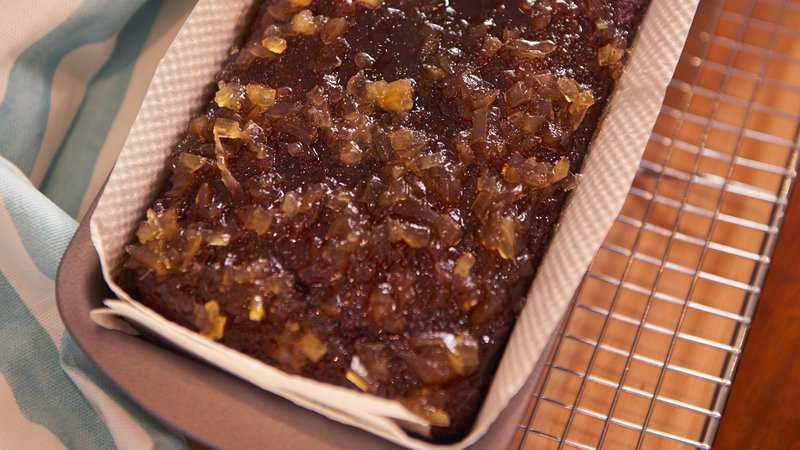
Preheat the oven to 170°C (325°F), Gas mark 3. Line the base and sides of a 900g (2lb) loaf tin with baking parchment.
Melt the butter, treacle and golden syrup in a small saucepan on a low heat, then set aside.
Sift the flour, bicarbonate of soda and baking powder into a bowl and stir in the spices, sugar and salt. In another bowl, whisk the egg, then add the milk and the melted butter mixture and pour into the dry ingredients. Mix until smooth – it will have a wet sloppy consistency.
Pour into the prepared loaf tin and bake in the oven for 50–55 minutes until risen and firm to the touch and a skewer inserted into the centre comes out clean. (Wait for at least 45 minutes before opening the oven to check whether the gingerbread has cooked, otherwise it can collapse in the centre.)
While the gingerbread is cooking, make the syrup. Place the sugar and ginger in a small saucepan with 75ml (3fl oz) water, bring to the boil over a medium heat and boil, uncovered, for 5 minutes or until slightly thickened and syrupy.
Once the gingerbread is cooked, take it out of the oven and, leaving it in the tin, pierce it all over the top with a fine skewer, then pour the syrup over and leave to cool completely.
When the gingerbread is cold, take it out of the tin and serve.
2 – 4 Thai Birds Eye chillies – depending on your spice tolerance!
50ml fish sauce, plus extra to season
3 cloves garlic
pinch ground turmeric
6 chicken thighs, cut into bite sized pieces
500g cooked white rice
pinch white pepper
2 tbsp light soy sauce
1 red onion
Sesame oil, to serve
Handful of coriander leaves
Handful of mint
Method
First, get the chicken stock into a pan. Slice half of the ginger, chilli and lemongrass and add to the pot. Peel the zest off a lime then bring to a boil, and season with the 25ml of the fish sauce. Turn down to a simmer whilst you prepare the rest of the dish.
Finely chop the remaining ginger, chilli and lemongrass and place into a bowl. Grate in the garlic and add the remaining fish sauce. Chop the chicken thighs into inch pieces and add to the bowl along with a pinch of turmeric and mix everything together.
Get a wok over a high heat and add the oil followed by the chicken pieces. Cook, stirring, until the chicken is golden brown and cooked through.
Scoop the aromatics from the broth and discard then add the rice to the broth and warm through for at least 5 minutes.
To finish, slice the red onion finely and season the broth with some white pepper, soy sauce, sesame oil, lime juice and some extra fish sauce if needed.
Add the rice and broth to your bowls then top with the chicken, followed by the sliced onions. Garnish with extra sliced red chillies, if you can handle them!, and lots of coriander and mint.
Brown scones are full of roughage and great for breakfast. And here is a good tip: you can make this mixture, shape the scones and freeze them. You can then cook the scones straight from the freezer to the oven – just give them an extra 5 minutes and make sure the scones are golden brown and well-risen.
Ingredients
Rapeseed or sunflower oil, for greasing
225g (8oz) self-raising flour, plus extra for dusting
225g (8oz) coarse wholemeal flour
½ tsp baking soda
½ tsp salt
50g (2oz) wheat bran
25g (1oz) butter, diced and at room temperature
1 tsp light muscovado sugar
300ml (½ pint) buttermilk, plus a little extra if necessary
Method
Preheat the oven to 220°C (425°F/gas mark 7). Line 2 baking sheets with parchment paper and grease the paper with a little oil.
Sift the flours, baking soda and salt into a bowl. Tip in the bran left in the sieve and stir it in with the wheat bran. Rub in the butter with your fingertips until it is evenly dispersed. Stir in the sugar.
Make a well in the centre of the dry ingredients and add the buttermilk and golden syrup. Using a large spoon, mix gently and quickly until you have achieved a smooth, not-too-sticky dough. Add a little more buttermilk if necessary, until the dough binds together without being sloppy.
On a lightly floured surface, roll out the dough to a 2.5cm (1in) thickness and cut into rounds with a 6cm (2½in) plain cutter. Arrange on the lined baking sheets and bake for 10-15 minutes, until golden brown and well-risen.
Serve with butter or lightly whipped cream and strawberry jam.
Here are three delicious options, the first is the classic Mincemeat recipe passed down in Myrtle Allen’s family for several generations. Of course, it contains suet so it’s moist and juicy and best eaten hot. The second, Emer Fitzgerald’s Mincemeat is vegetarian, it doesn’t include suet or butter and is also gluten free. The third, Brandy Mincemeat, does not include suet either, but does have butter.
Core and bake the whole apples in a moderate oven, 180°C/350°F/gas mark 4, for 30 minutes approx. Allow to cool. When they are soft, remove the skin and pips and mash the flesh into pulp.
Grate the rind from the lemons on the finest part of a stainless steel grater and squeeze out the juice and stir into the pulp. Add the other ingredients one by one, and as they are added, mix everything thoroughly.
Put into sterilized jars, cover and leave to mature for 2 weeks before using. This mincemeat will keep for a year in a cool, airy place.
I am never quite sure if I should be calling this a cake or a tart but in any event, it is delicious and quite easy to make.
Ingredients
I am never quite sure if I should be calling this a cake or a tart but in any event, it is delicious and quite easy to make.
The origins of the recipe are from Tuscany in Italy but I like to use highly perfumed Irish dessert apples when in season. Look out for some lesser known but very delicious Irish dessert apples such as Irish Peach and Ardcairn Russet.
Serves 8
10g butter melted for greasing the parchment paper
4 dessert apples
Finely grated zest of 2 lemons
1 teaspoon vanilla extract
250g caster sugar
2 eggs
150ml cream
110g butter melted and cooled
125g whole almonds, blanched, peeled and ground to a fine powder in a food processer or ground almonds
110g plain flour sieved
1 ½ teaspoons baking powder sieved
100g of apricot jam
1 tablespoon lemon juice, warmed and sieved
2 tablespoons of chopped sweet geranium leaves ( optional)
Method
Preheat the oven to 180c / 350 f / gas 4
Line a 28cm flan ring with a removable base with a disc of parchment paper. The paper should in one piece cover the base and sides of the tin and come up 1cm above the edge of the tin. Brush the paper with a little melted butter.
Peel, core and quarter the apples and slice into c 3mm slices. Mix with the lemon zest. Whisk the vanilla, sugar, and eggs to a thick and light consistency similar to a batter. Whisk in the cream and cooled melted butter. Fold in the almonds, flour and baking powder. Add ¾ of the sliced apples, being careful not to break the apple slices.
Pour the mixture into the prepared flan ring and gently smooth over the surface. Scatter the remaining apples over the surface and sprinkle with 1 dessertspoon of caster sugar.
Place in the preheated oven and cook for 20 minutes. Reduce the temperature to 160c etc and cook for a further 40 minutes by which time the tart will feel gently set. It may be necessary to cover the tart during the cooking with a sheet of parchment paper if the tart is getting too dark.
Remove from the oven and allow to cool slightly. While the tart is still warm, Paint the surfaced with the warm sieved apricot jam to achieve a glossy glaze and if using the chopped geranium, sprinkle on immediately after glazing the tart.