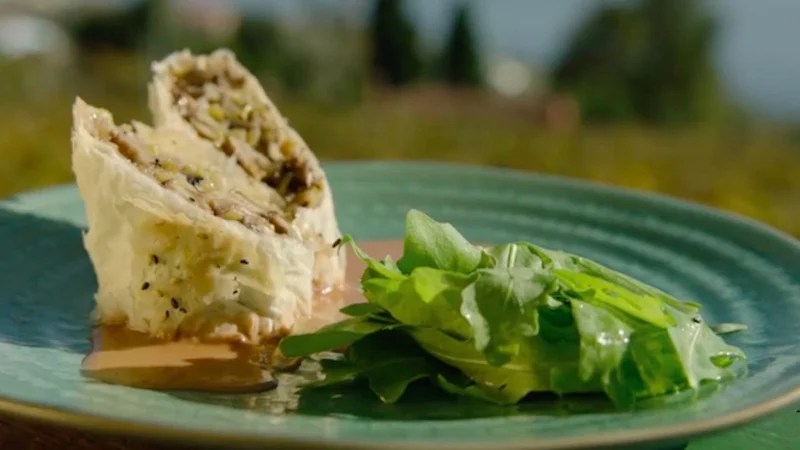
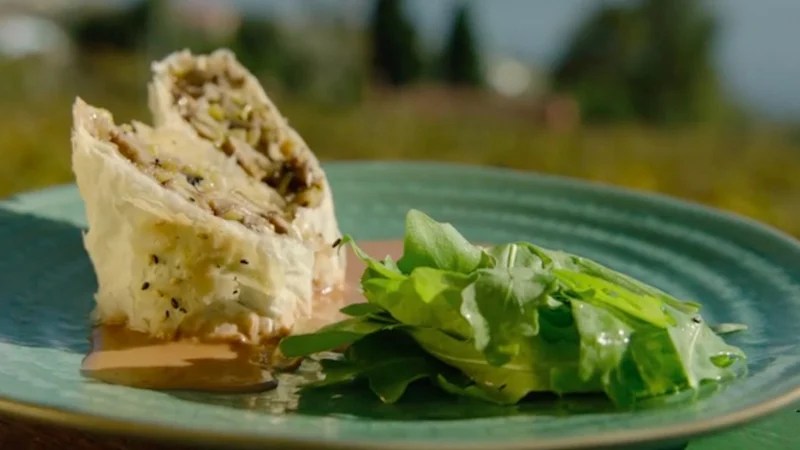
Porridge is one of our most popular breakfasts in the restaurant, and this recipe goes down a treat. On cold winter mornings, it gets you off to a good start and takes no more than 10 minutes to prepare.
Ingredients
100 g (4oz) porridge oats (organic if possible)
300 ml (1/2 pint) whole-fat milk (plus extra if necessary)
4 dsp clear honey
4 dsp irish mist
150 ml (1/4 pint) cream (optional)
Method
Simmer the porridge oats and milk together in a saucepan for 8-10 minutes, until the mixture is slightly thickened, stirring all the time. It is important that the porridge has a nice soft dropping consistency so add a little more milk if you think that it needs it.
To serve, spoon the porridge into warmed bowls. Drizzle each one with some honey and Irish mist and finally, serve with cream if you wish.
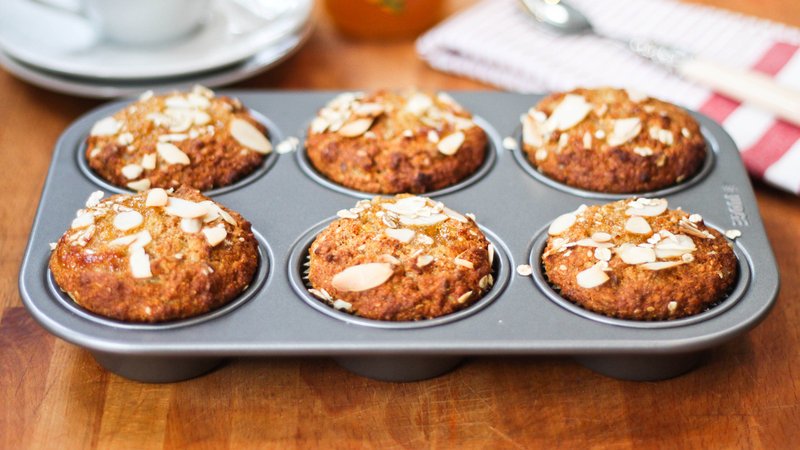
These Apricot Jam Breakfast Muffins can be prepared the night before and cooked to perfection in the morning – http://ow.ly/8e6w30fDtZV
Ingredients
2 large free-range eggs
150ml pot of natural low-fat yoghurt
50ml rapeseed oil
2 tblsp no added sugar apricot jam
1 ripe banana, mashed
4 tblsp clear honey
1 tsp almond extract
200g of wholemeal flour
50g of porridge oats, plus extra for sprinkling
1 ½ teaspoons of baking powder
1 ½ teaspoons of bicarbonate of soda
2 tblsp mixed seeds
extra apricot jam
a handful of flaked almonds, for sprinkling
Method
Pre-heat the oven to 180C/160C fan/Gas Mark 4. Line a 12-hole muffin tin with 12 large muffin cases.
In a mixing jug, combine the eggs, yoghurt, rapeseed oil, Apricot Jam, banana, honey and almond extract.
In a large bowl, combine the wholemeal flour, oats, baking powder, bicarbonate of soda and mixed seeds.
Pour the wet ingredients into the dry and combine until you have a smooth batter. Don’t over mix as this will make your muffins tough.
Divide the mix between the muffin cases and place about half a teaspoon of Apricot Jam on the top of each of the muffins. Sprinkle with the extra porridge oats and the flaked almonds.
Bake for 25 to 30 minutes until risen and golden. Check that they’re cooked by inserting a skewer into the middle of one of the muffins. They’re done if it comes away clean.
Remove from the oven and transfer to a wire rack to cool. These will keep for 3 days in a sealed container but they taste best on the day of baking.
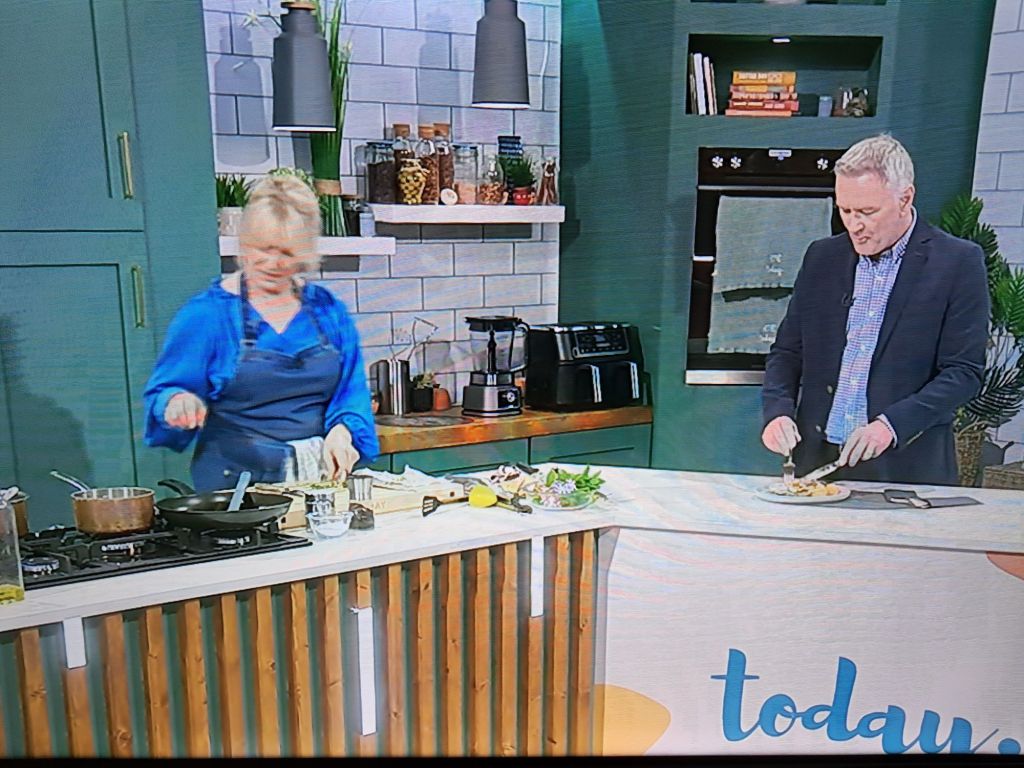
Sharon Hearne Smith’s Sesame Seed Porridge Bread from Today with Maura and Dáithí.
Ingredients
This is an unusual bread recipe, based on porridge oats and yoghurt instead of flour and water. It is quick, easy and virtually foolproof to make.
Use any selection of seeds you prefer instead of sesame seeds, or omit them altogether for a plain bread. Alternatively, add other flavours like nuts and dried fruits or sundried tomatoes and basil or a swirl of pesto would be delicious too. This bread stays quite moist and fresh for a few days stored in an airtight container.
Makes: 1 loaf (about 12 slices)
Sunflower oil for greasing
500g tub natural yoghurt
100ml milk
2 tbsp olive oil
2 tbsp sesame seeds + extra for sprinkling
2 tsp bicarbonate of soda
2 x 500ml yoghurt tubs of porridge oats (or 400g)
butter for serving, optional
Method
Preheat the oven to 200C (fan 180C), 400F, Gas Mark 6. Grease a 1Lb loaf tin (approximately 3 x 5 x 7 inch) with parchment paper and grease again.
Scoop the yoghurt into a large bowl. Add the milk, oil, sesame seeds and bicarbonate of soda and mix until well blended.
Fill a clean and dry yoghurt tub with oats and tip them in. Repeat with a second tub of oats. Alternatively, weigh out 400g of oats on a scales.
Mix everything together until well blended.
Spoon into the prepared tin, spreading the top level. Scatter a small handful of sesame seeds on top.
Bake for 45 minutes or until golden brown and a skewer comes out clean when pierced in the middle.
Remove from the tin and return the loaf to oven, directly on the shelf, for another 5 minutes to dry out the crust.
Remove and leave to cool on a wire rack. Cut into slices and serve spread with a little butter if liked.
Sharon Hearne Smith’s Sesame Seed Porridge Bread from Today with Maura and Dáithí.
Ingredients
This is an unusual bread recipe, based on porridge oats and yoghurt instead of flour and water. It is quick, easy and virtually foolproof to make.
Use any selection of seeds you prefer instead of sesame seeds, or omit them altogether for a plain bread. Alternatively, add other flavours like nuts and dried fruits or sundried tomatoes and basil or a swirl of pesto would be delicious too. This bread stays quite moist and fresh for a few days stored in an airtight container.
Makes: 1 loaf (about 12 slices)

Sunflower oil for greasing
500g tub natural yoghurt
100ml milk
2 tbsp olive oil
2 tbsp sesame seeds + extra for sprinkling
2 tsp bicarbonate of soda
2 x 500ml yoghurt tubs of porridge oats (or 400g)
butter for serving, optional
Method
Preheat the oven to 200C (fan 180C), 400F, Gas Mark 6. Grease a 1Lb loaf tin (approximately 3 x 5 x 7 inch) with parchment paper and grease again.
Scoop the yoghurt into a large bowl. Add the milk, oil, sesame seeds and bicarbonate of soda and mix until well blended.
Fill a clean and dry yoghurt tub with oats and tip them in. Repeat with a second tub of oats. Alternatively, weigh out 400g of oats on a scales.
Mix everything together until well blended.
Spoon into the prepared tin, spreading the top level. Scatter a small handful of sesame seeds on top.
Bake for 45 minutes or until golden brown and a skewer comes out clean when pierced in the middle.
Remove from the tin and return the loaf to oven, directly on the shelf, for another 5 minutes to dry out the crust.
Remove and leave to cool on a wire rack. Cut into slices and serve spread with a little butter if liked.
A delicious classic recipe for a very classy cake.
Ingredients
butter (melted, for greasing)
4 eggs
125 g (41/2 oz) caster sugar (plus 3 tbsp for sprinkling)
2 tblsp warm water
1 tsp vanilla extract
125 g (41/2 oz) plain flour (plus extra for dusting)
for the filling
200 g (7oz) rhubarb (about 2 stalks, trimmed), cut into 5mm (1/4 in) slices
125 g (41/2 oz) caster sugar
200 ml (7fl oz) milk
1 vanilla pod, split lengthways, or 2 tsp vanilla extract
3 egg yolks
15 g (1/2 oz) cornflour
100 ml (31/2 fl oz) whipped double or regular cream (measured when whipped)
Method
Preheat the oven to 190°C (375°F/Gas 5). Line the base of the Swiss roll tin (25 x 38cm/ 10 x 15′) with baking parchment, brush the base and sides of the tin with melted butter and dust with flour.
Using a hand-held electric beater or an electric food mixer, whisk together the eggs, caster sugar, water and vanilla extract until light and fluffy.
Sift in the flour, about one-third at a time, and fold it into the mixture. Carefully pour the mixture into the prepared Swiss roll tin and bake in the oven for 12–15 minutes or until the centre of the sponge is slightly springy to the touch and the edges have shrunk a little from the sides of the tin.
Take a piece of baking parchment slightly larger in size than the tin and spread out on a work surface.
Sprinkle the paper evenly with caster sugar (this is to stop the cake sticking to the paper). Quickly flip the Swiss roll tin over onto the sugared paper, then carefully remove the tin and baking parchment from the bottom of the cake.
Place a clean, slightly damp tea towel over the cake while it cools – this will prevent it drying out and cracking when you roll it.
Meanwhile, make the filling. Place the rhubarb in a saucepan with 75g (3oz) of the caster sugar and 25ml (1fl oz) of water and place on a medium heat, stirring to dissolve the sugar. Bring to the boil and allow to boil, uncovered and stirring regularly, for 10–15 minutes or until the rhubarb is completely soft and the mixture is quite thick.
Tip out onto a plate and allow to cool.
Next make the custard. Place the milk and the split vanilla pod (if using) in another pan and bring to the boil.
Whisk the egg yolks (and vanilla extract, if using) with the remaining sugar (I like to use a hand-held electric beater for this) for a few minutes or until pale and light. Then briefly whisk in the cornflour.
Pour the hot milk and vanilla pod (if using) onto the egg mixture, whisking as you pour, then tip it all back into the saucepan and cook, stirring all the time, over a low heat for a few minutes or until it forms a thick custard.
Pour it into a bowl and allow to cool, then fold in the cooled rhubarb and the whipped cream – you can leave it slightly marbled (not fully mixed) if you prefer.
When the sponge is completely cold, spread over the rhubarb and custard mixture, then, with one of the short sides facing you, roll up the Swiss roll away from you and carefully transfer to a serving plate.
Sprinkle with a little extra caster sugar to finish, then cut into slices about 2cm (3/4in) thick to serve.
Rachel Allen’s pan-fried fish with herb butter, asparagus, new potatoes.
Ingredients
Serves: 4-6
For the herb butter:
50g soft butter
1 tablespoon chopped herbs such as dill, fennel, chives, parsley
A squeeze of lemon juice
Salt and pepper
For the pan-fried fish:
4 fillets of flat fish, such as John Dory, plaice, sole, brill or turbot, or part of a round fish fillet, like salmon, cod, grey mullet, etc. (allow 175g for a main course and 75g for a starter)
Approximately 4 tablespoons flour
Extra virgin olive oil or soft butter
A pinch of sea salt flakes and freshly ground black pepper
Method
Dry the fish fillets on kitchen paper.
Season on both sides with sea salt flakes and freshly ground black pepper.
Heat a cast iron or non-stick frying pan on a high heat until smoking. Add a dash of olive oil and put in the fish fillets.
OR you can dust the fillets with seasoned flour then spread some soft butter over one side.
Place buttered side in the pan first. Turn when golden on one side, then cook again until golden on the other side.
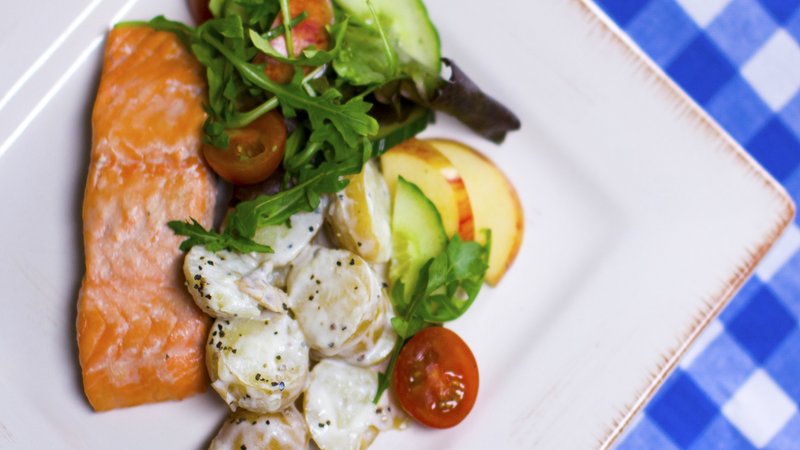
Place a couple of slices of herb butter over each fillet and serve immediately with asparagus and boiled new potatoes.
Sharon Hearne Smith’s Sesame Seed Porridge Bread from Today with Maura and Dáithí.
Ingredients
This is an unusual bread recipe, based on porridge oats and yoghurt instead of flour and water. It is quick, easy and virtually foolproof to make.
Use any selection of seeds you prefer instead of sesame seeds, or omit them altogether for a plain bread. Alternatively, add other flavours like nuts and dried fruits or sundried tomatoes and basil or a swirl of pesto would be delicious too. This bread stays quite moist and fresh for a few days stored in an airtight container.
Makes: 1 loaf (about 12 slices)
Sunflower oil for greasing
500g tub natural yoghurt
100ml milk
2 tbsp olive oil
2 tbsp sesame seeds + extra for sprinkling
2 tsp bicarbonate of soda
2 x 500ml yoghurt tubs of porridge oats (or 400g)
butter for serving, optional
Method
Preheat the oven to 200C (fan 180C), 400F, Gas Mark 6. Grease a 1Lb loaf tin (approximately 3 x 5 x 7 inch) with parchment paper and grease again.
Scoop the yoghurt into a large bowl. Add the milk, oil, sesame seeds and bicarbonate of soda and mix until well blended.
Fill a clean and dry yoghurt tub with oats and tip them in. Repeat with a second tub of oats. Alternatively, weigh out 400g of oats on a scales.
Mix everything together until well blended.
Spoon into the prepared tin, spreading the top level. Scatter a small handful of sesame seeds on top.
Bake for 45 minutes or until golden brown and a skewer comes out clean when pierced in the middle.
Remove from the tin and return the loaf to oven, directly on the shelf, for another 5 minutes to dry out the crust.
Remove and leave to cool on a wire rack. Cut into slices and serve spread with a little butter if liked.
This quick and delicious recipe can be adapted to make a larger tart, and topped with any fruit you like.
Ingredients
Makes 24 mini almond tartlets or 2 x 18cm tarts
110g butter
110g caster sugar
110g ground almond
Method
Preheat the oven to 180’C/160’Fan/350’F/Gas mark 4.
Place the butter in a bowl and beat until soft and light. Add in the sugar and the ground almonds and mix to combine.
Place generous teaspoonful blobs of the mixture in each ‘cup’ of a shallow bun tray (a mince pie tray), you should get 24 altogether so if it’s a 12 hole tray then cook it in 2 batches.
Or you could make 12 mini tartlets and 1 x 18cm tin.
Bake in the preheat oven for 8-10 minutes until a rich golden brown then take out of the oven and leave to sit for 3 minutes, then remove each little tartlet base and cool on a wire rack.
The larger tart will take 16-18 minutes to cook.
After removing from the oven, allow to sit for 3 minutes then turn out onto a plate and allow to cool before decorating.
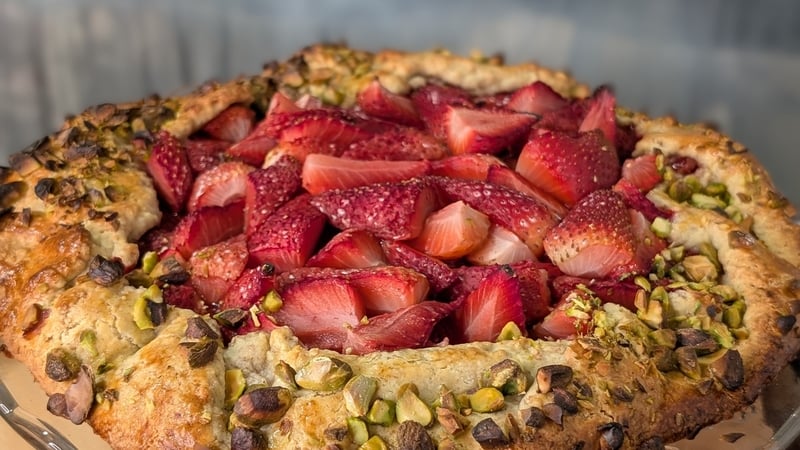
Top with raspberries or sliced strawberries and whipped cream or whatever delicious fruit you have.
These Apricot Jam Breakfast Muffins can be prepared the night before and cooked to perfection in the morning – http://ow.ly/8e6w30fDtZV
Ingredients
2 large free-range eggs
150ml pot of natural low-fat yoghurt
50ml rapeseed oil
2 tblsp no added sugar apricot jam
1 ripe banana, mashed
4 tblsp clear honey
1 tsp almond extract
200g of wholemeal flour
50g of porridge oats, plus extra for sprinkling
1 ½ teaspoons of baking powder
1 ½ teaspoons of bicarbonate of soda
2 tblsp mixed seeds
extra apricot jam
a handful of flaked almonds, for sprinkling
Method
Pre-heat the oven to 180C/160C fan/Gas Mark 4. Line a 12-hole muffin tin with 12 large muffin cases.
In a mixing jug, combine the eggs, yoghurt, rapeseed oil, Apricot Jam, banana, honey and almond extract.
In a large bowl, combine the wholemeal flour, oats, baking powder, bicarbonate of soda and mixed seeds.
Pour the wet ingredients into the dry and combine until you have a smooth batter. Don’t over mix as this will make your muffins tough.
Divide the mix between the muffin cases and place about half a teaspoon of Apricot Jam on the top of each of the muffins. Sprinkle with the extra porridge oats and the flaked almonds.
Bake for 25 to 30 minutes until risen and golden. Check that they’re cooked by inserting a skewer into the middle of one of the muffins. They’re done if it comes away clean.
Remove from the oven and transfer to a wire rack to cool. These will keep for 3 days in a sealed container but they taste best on the day of baking.