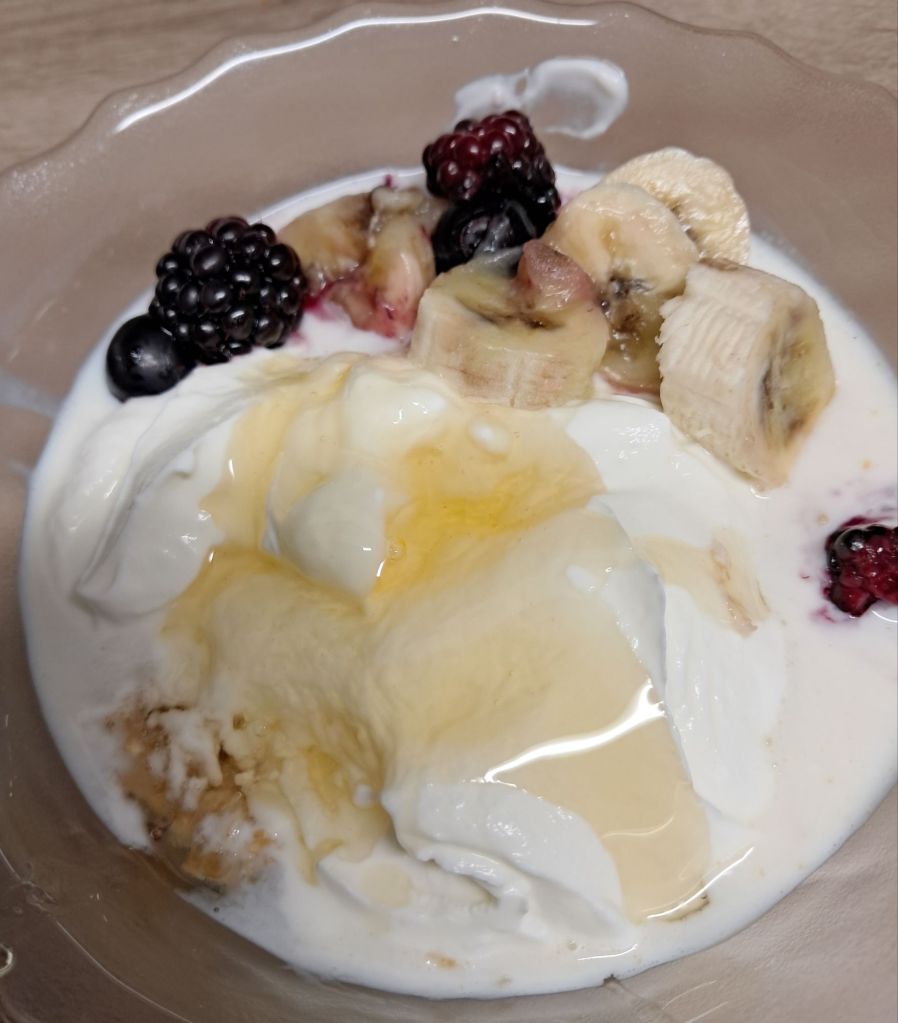
2 scoops Kilbeggan Organic Porridge Oats 👌 😋, dollop of Dunnes stores authentic Greek Yogurt, drizzle Killucan Irish Honey, banana, blackberries, blueberries 🫐 🇮🇪

Nutrition key to sound health

Fika 33, Killeshandra, Co.Cavan

https://www.instagram.com/reel/DVRNr9qiCAG/?igsh=MXI1aTgyOHNneXl6YQ==


I never tire of a bowl of steaming hot stew. It’s the attention to detail that makes this dish one of the world’s great classics. This is my version that I have developed over the years. It’s a meal in itself, but for a special celebration, try serving it buffet style with bowls of turnip mash, colcannon and maybe even some glazed parsnips and carrots and watch your guests’ faces light up!
SERVES 6–8
1 Place the boneless lamb pieces in a large heavy-based pan or flameproof casserole and pour over the stock. Bring to the boil, then skim off any scum from the surface and then stir in
the barley. Reduce the heat and simmer gently for 50 minutes, until slightly reduced and the lamb is almost tender.
2 Add the potatoes to the lamb with the carrots, leeks, pearl onions, smoked bacon and thyme and simmer for 30 minutes, until the lamb and vegetables are completely tender but still holding their shape. Season to taste with salt and pepper.
3 Put the stew straight onto the table and scatter over the parsley. Serve dishes of the turnip mash with crispy bacon and onion and colcannon alongside and allow everyone to help themselves.
Oatmeal, Cranberry and White Chocolate Cookies
This recipe was given to me by Mary Flahavan. I like it so much that we now make it up in batches and keep them in Kilner jars in our rooms for guests in case they’re feeling a bit peckish after a long journey but don’t want to ruin their dinner.
Preheat the oven to 200°C (400°F/gas mark 6). Line 2 baking sheets with parchment paper. Blend the oatlets in a food processor until quite fine. Add the butter, sugar, flour and baking soda and blend again until the dough just comes together.
Tip into a bowl and beat in the cranberries and white chocolate. Shape into 12 even-sized balls and arrange on the lined baking sheets well spaced apart, then squash them down with the palm of your hand to about a 4cm (1 ½in) thickness. Bake for 15–20 minutes, until they are a pale golden colour and soft to the touch. Remove from the oven and leave to cool and harden on the sheets for a minute, then transfer to a wire rack and leave to cool for a few minutes before tucking in with a nice cup of tea.

https://www.instagram.com/reel/DVI6fTJCDNg/?igsh=ODNlcDhtY2R5YTYw
and
Dennis Korn•Art of Now (Nature Sounds)
https://www.instagram.com/reel/DHiq6rECdkN/?igsh=MWRjbzNhcjFqa2p3eg==
and

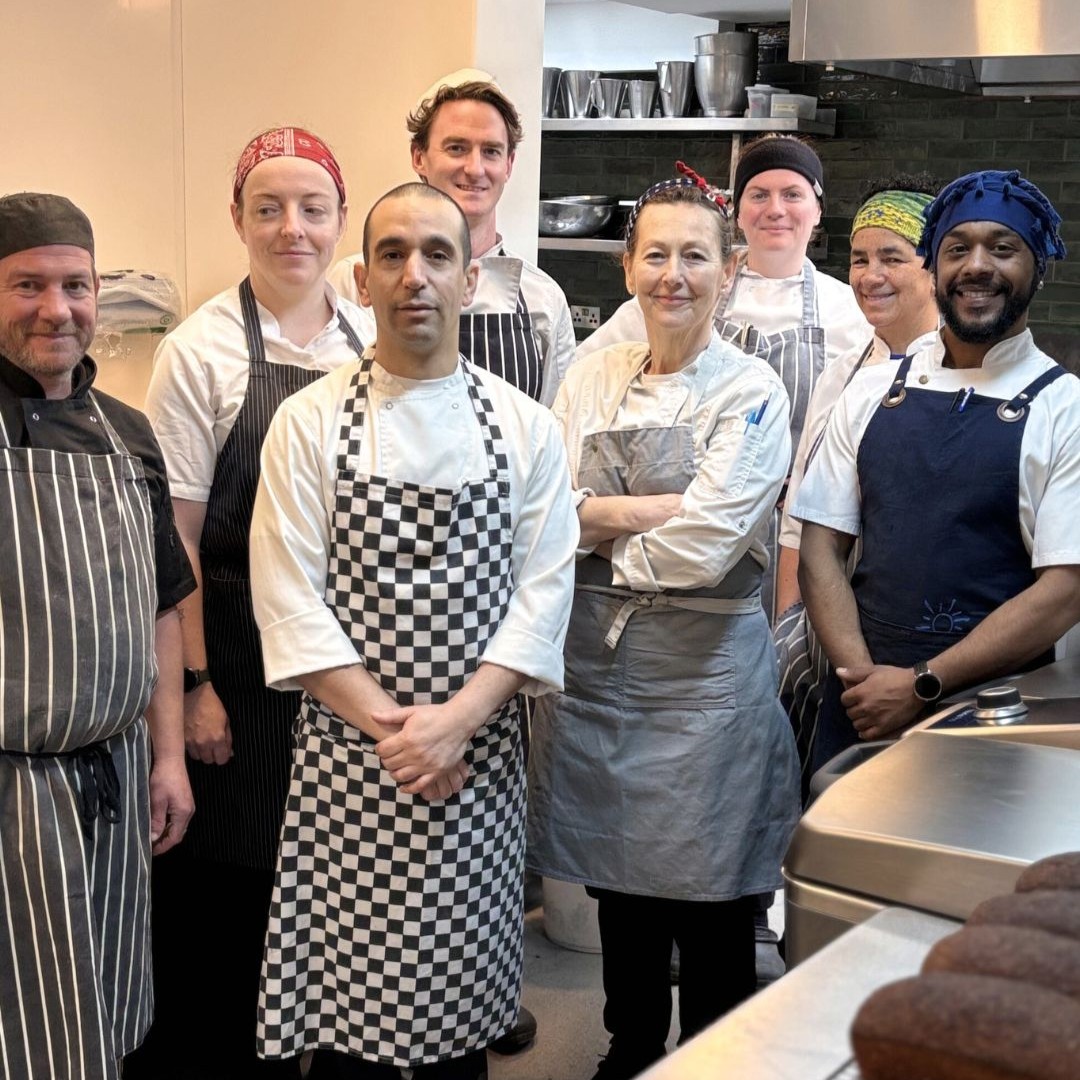
We reopen today and are delighted to welcome guests back to Ballymaloe House Hotel, with a wonderful new addition at the heart of the house, a brand-new, purpose-built kitchen.
For over sixty years, we have cooked with the seasons, using produce grown in our gardens, on the farm, and from local producers and with a deep respect for the ingredients. Now, that philosophy is matched by a kitchen designed to the highest modern standards, created to support our team and the next generation of chefs.
Custom-designed by Trevor O’Sullivan Cork Bar & Catering Equipment Ltd and manufactured in Italy by Marrone Custom Cooking the new space brings chefs, pastry, prep, and wash-up together in one open, beautifully organised layout, built for calm creativity and seamless service.
“My team and I are very excited to reopen today and to begin cooking in our newly rebuilt kitchen,” says Executive Head Chef Dervilla O’Flynn. “After years of reimagining the space, we have created a calm, beautifully organised kitchen that supports both chefs and front of house. It is the heart of the house, and a real milestone for our team.”
We look forward to welcoming you back. Book your table or stay: ballymaloe.ie


•

Food Stylist & Writer
Sharon Hearne Smith’s Sesame Seed Porridge Bread from Today with Maura and Dáithí.
This is an unusual bread recipe, based on porridge oats and yoghurt instead of flour and water. It is quick, easy and virtually foolproof to make.
Use any selection of seeds you prefer instead of sesame seeds, or omit them altogether for a plain bread. Alternatively, add other flavours like nuts and dried fruits or sundried tomatoes and basil or a swirl of pesto would be delicious too. This bread stays quite moist and fresh for a few days stored in an airtight container.
Makes: 1 loaf (about 12 slices)
 Foodaware