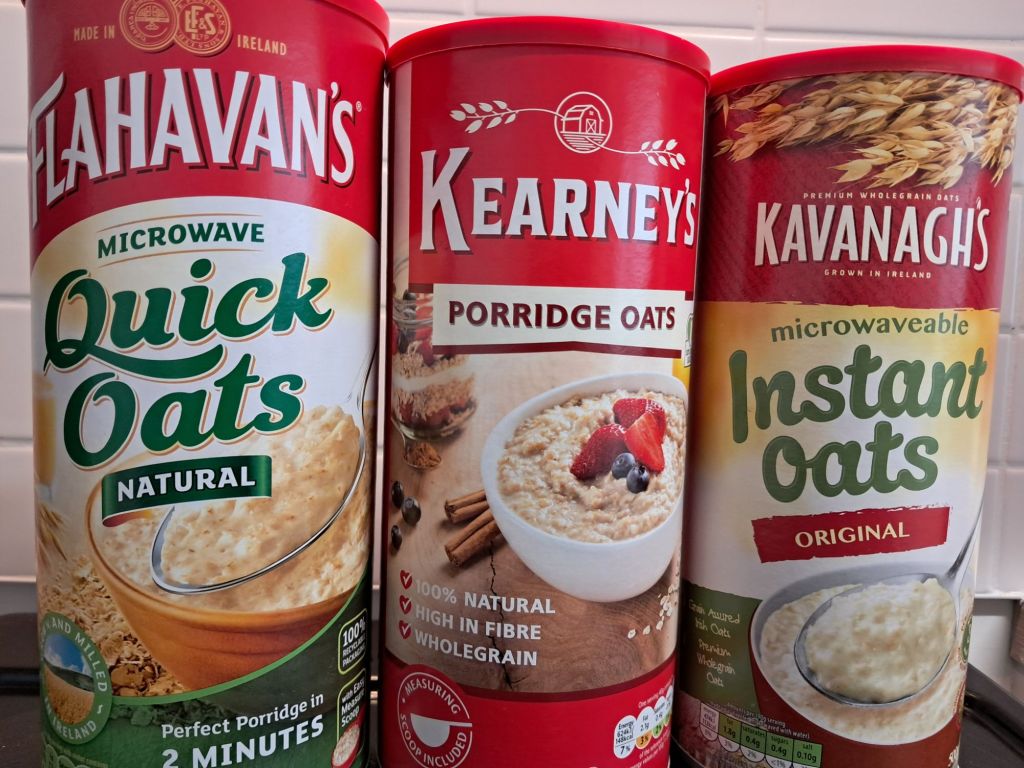
Flahavan’s, Kearney’s, Kavanagh’s. Copycat branding German style by Aldi and Lidl
Nutrition key to sound health


and
https://www.instagram.com/reel/DN20cWNWO5B/?igsh=MTluOW5idHFzcXd5MQ==

and
Paid partnership
My brother, Kenneth, loves Asian food and he is in no doubt that he is far better than me at cooking it! I don’t disagree. He is proud of this chicken satay dish and often makes it for the family. This dipping sauce also works well with pork, prawns, beef strips or turkey. And remember, kids just love anything on sticks!
SERVES 4
FOR THE PICKLED CUCUMBER SALAD:
FOR THE DIPPING SAUCE:
1 To make the dipping sauce, place the peanut butter in a small pan and stir in the soy sauce, light brown sugar and lime juice. Gradually whisk in the coconut milk and heat gently until you have achieved a smooth sauce. Stir in the chilli and coriander, then leave to cool, stirring occasionally to prevent a skin from forming.
2 Soak 8 x 15cm (6in) bamboo skewers in a shallow dish of cold water for at least 30 minutes. Preheat a griddle pan until it’s smoking hot or light a barbecue.
3 Whisk together the soy sauce, honey and curry powder. Season with pepper and stir in the chicken pieces. Leave to marinate for 2 minutes, then thread the chicken pieces onto the soaked bamboo skewers and arrange on the barbecue. Cook the chicken skewers over medium-hot coals for 4–6 minutes, turning once or twice, until completely tender and cooked through. If using a griddle pan, reduce the heat to medium as soon as you’ve put the skewers on.
4 Meanwhile, to prepare the pickled cucumber salad, place the vinegar in a bowl and stir in the sugar and a good pinch of salt until both have dissolved. Tip in the cucumber, stirring to combine, and set aside to allow the flavours to develop. 5 To serve, arrange 2 chicken satay skewers on each warmed plate. Divide the dipping sauce among individual bowls and place to the side of the skewers. Add the pickled cucumber salad, leaving behind any excess liquid, to serve.
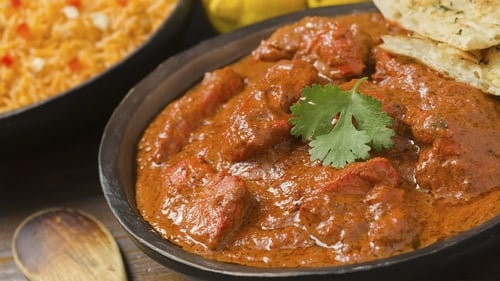
Butter Chicken
Swap your usual takeaway curry for this homemade chicken makhana, which combines marinated chicken with a rich, buttery sauce. This is an authentic Indian curry with its origins in Delhi, where it was first made to use up pieces of leftover tandoori chicken.
Serves 4–6
Trim the chicken and cut into bite-sized pieces. Put in a bowl and stir in half the lemon juice with a good pinch of salt. Add 2 tablespoons of the curry seasoning, the yogurt and 1 tablespoon of the oil. Mix to combine, then season generously with pepper. Cover and leave to marinate for at least 1 hour or up to 3 days in the fridge.
Heat the rest of the oil and a knob of the butter in a wok or skillet over a high heat, and quickly sear the marinated chicken in batches until golden brown, transferring with a slotted spoon to a clean bowl as you go. Add the onions to the pan and sauté for 4–5 minutes until they start to caramelise.
Tip in the garlic, chilli and ginger, then add another knob of the butter and sauté for 1–2 minutes. Chop the stalks from the coriander and add them to the pan with the rest of the curry seasoning and another knob of the butter. Toast for a few minutes until very fragrant. Pour the passata into the pan and bring to a simmer, then add the cream and the rest of the lemon juice.
Transfer to a blender and blend until you have a very smooth sauce. Return to the pan and add the chicken with any juices and reheat gently for about 5 minutes until the chicken is cooked through and tender. Season to taste, then fold in the lemon rind with the rest of the butter and the coriander leaves, reserving a few sprigs to garnish. Transfer to bowls and garnish with the coriander sprigs.
SERVE WITH … This mild and creamy curry is sure to please all tastes. Make some Homemade Flatbreads, perhaps brushing them with a little melted butter and sprinkling with black onion seeds. A bowl of Pilau Rice completes the meal, alongside some spiced mango chutney, mint raita and lime pickle.