
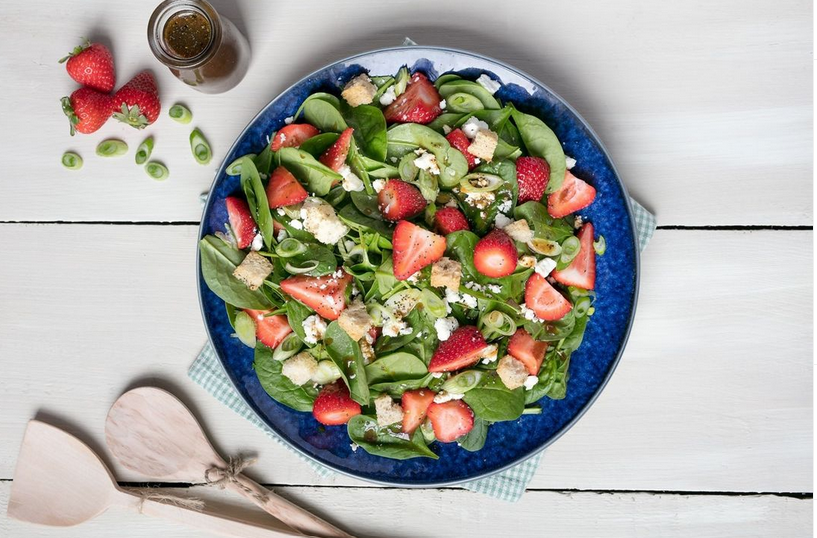
Bord Bia strawberry, feta salad..
bordbia
A quick and light lunch option with a hint of sweetness. Why not try our strawberry, feta salad this weekend? 🍓 For this and more strawberry recipes, visit out website.
#CelebrateStrawberrySeason
You can almost hear it moo..

Catherine Fulvio’s Easy Tomato Sauce

-
-
 Food on RTÉVerified account @RTEfood 1 hour ago
 This simple kitchen essential recipe makes about 350ml. Ingredients
This simple kitchen essential recipe makes about 350ml.
- 2 tblsp extra virgin olive oil
- 2 garlic cloves
- 1 tsp tomato puree
- 400 g tin chopped tomatoes
- salt and freshly ground black pepper
- 1 tsp sugar
- 4 basil leaves
Method
- Heat the olive oil in a large pan.
- Add the garlic and cook for about 2 minutes on a low heat until soft.
- Add the tomato puree and cook for a further 1 minute.
- Add the tomatoes along with their juice and salt and pepper.
- Bring to the boil and reduce the heat and simmer for about 15 minutes or until the sauce has thickened.
- Adjust the salt, pepper and sugar as necessary.
- At the last minutes, shred the basil leaves and add to the sauce.
Catherine Fulvio’s Easy Tomato Sauce – http://ow.ly/O5Pz30fpxsM

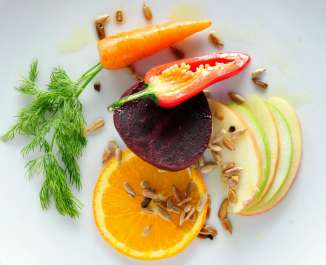
Glenisk Carrot, Beetroot & Apple Yoghurt Cup
Ingredients
- 4 tbsp Glenisk Organic Greek Style Yogurt
- 1 tbsp Cooked Beetroot, coarsely grated
- 1 tbsp Raw Carrot, grated
- 1 tbsp Apple, grated
- 1 tbsp Toasted Sunflower or Pumpkin Seeds
- Zest + juice of 1/2 orange
- 1/2 tsp Harisa Chilli Paste
- 1 tsp Extra Virgin Olive Oil
- Season with salt and pepper
Method
- Add the yogurt to the bowl.
- Grate over the carrot, beetroot and apple.
- Squeeze over the orange juice and harissa paste.
- Sprinkle over the zest.
- Drizzle the olive oil on top.
- Add the seeds on top and season.
Nutritional Information (per serving)
-
Calories 279kcal
-
Fat 23g
-
Saturates 6.3g
-
Carbs 18g
-
Sugar 17g
-
Protein 4.2g
-
Salt0.29g
-
Fibre 3.0g
Flahavan’s granola – fruits, nuts, seeds, toasted oats

Flahavans
6 d ·
Let’s talk about Granola! Our granolas are a crunchy moreish mix of fruits, nuts, seeds and of course our finest quality Irish oats, toasted to perfection! Granola can be eaten with fruit for breakfast, or as a snack served over yogurt – it even works great as a sweet and crunchy porridge topper for that extra bite! Have you discovered our range of granolas in-store yet? Let us know your favourite way to enjoy granola in the comments below!

 #FlahavansOats #FlahavansGranol… See more
Blooming tulips #honeybees

Haughton Honey
@HaughtonHoney
·
The world is coming into bloom and we love it
Did you know that the best colour tulip to attract bees is violet? (Yes, we know ours aren’t violet, but we’re human, and these are our favourites!)
#TulipWatch #SpringFlowers #Bees #HoneyBees #BeeKeeping
Recipe: Butternut Squash Paleo Breakfast Hash
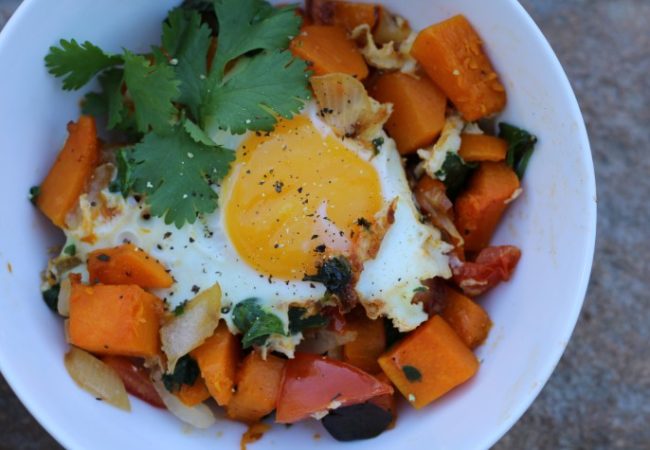
Try this flavorful butternut squash paleo breakfast hash with veggies and eggs over easy. This beautiful paleo breakfast hash offers an easy way to get a boatload of veggies into one meal. Swap out the sausage and processed meats and refined toast because these fiber-rich veggies are taking over!
Ingredients
2 cups butternut squash (about one small squash), diced
4 eggs
2 Tbsp extra virgin olive oil
1 tsp coconut oil
1/2 yellow onion, diced
2 cups spinach
1/4 cup cilantro
1/2 bell pepper, diced
1 cup roma tomatoes, diced
Dash of sea salt
1/2 tsp ground black pepper
1 tsp garlic powder
Directions
- Preheat the oven to 425 F.
- Add the butternut squash to a medium size bowl and evenly coat with extra virgin olive oil, salt, pepper, and garlic powder.
- Pour the squash onto a baking sheet and spread out evenly.
- Bake the butternut squash for 20-25 minutes.
- In a large sauté pan heat the coconut oil over medium heat.
- Add the diced onion and bell pepper to the pan and cook for about 3-5 minutes.
- Remove the butternut squash from the oven and add it to the pan, in addition to the spinach, tomatoes & cilantro.
- Sauté the vegetables for an additional 5 minutes, stirring frequently.
- Use a spoon to create four small holes and add one egg to each hole.
- Cover the pan for about five minutes or until desired doneness. Optional Toppings: salsa, avocado slices, hot sauce, beaumonde, etc.
Nutrition information
Makes 2 servings.
Each serving contains:
Calories 388
Fat 25g
Carbohydrates 30g
Fiber 5g
Sugar 9g (Added sugar 0g)
Protein 14g
Sodium 355mg
Recipe provided by registered dietitian nutritionist Brigid Titgemeier, MS, RDN, LD.
Photo © BeingBrigid Functional Nutrition


 Foodaware