Last week, I made Chocolate Hummus and I got SO much amazing feedback that I wanted to show you how you could use it as a handy finger food breakfast idea for your kids. These Breakfast Samosas are really good. Filled with my chocolate hummus, sliced banana and crushed seeds for extra goodness…all from @dunnesstores ☀️🍌
You will want to save this one for later ❤️
Prep time – 5 minutes Cook time – 5 minutes 8 Mini Samosas and 2 Large
For the mini tortillas spread about 2 tsps of chocolate hummus (the larger tortillas will use about 1 tbsp of hummus, then add 2 slices of banana the the corner and a sprinkle of nuts. Fold the rounded part up slightly, then fold the corner up and over and tuck in the remaining part into the opening.
Heat on a pan until golden brown both sides.
Serve with a side of Greek yogurt and fresh strawberries for extra protein which will keep you and your little ones full for longer.
To serve: Basmati rice, cooked 1 red chilli, sliced (optional) 1 spring onion, sliced (optional)
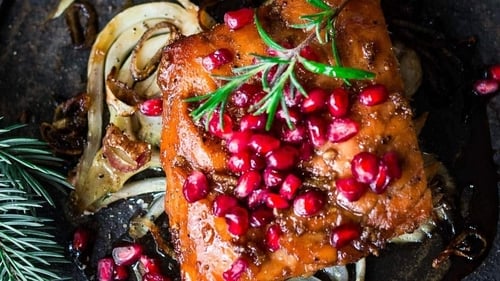
Method Marinate the salmon fillets for 10 minutes before cooking. Heat a frying pan over medium heat and add in the oil. Once hot, brush most of the marinade from the salmon and cook skin side down on the pan for 3 minutes. Flip and cook for another 3 minutes. Remove from the pan and pour the remaining teriyaki sauce into the pan and cook for 2 minutes on a low heat. Meanwhile, steam or boil the broccoli until al dente. Serve the salmon on a bed of basmati rice along with the broccoli and avocado. Drizzle over with remaining sauce and garnish with chilli slices and spring onion.4d
This is a Japanese tear-and-share loaf of bread with the most wonderful pillowy soft texture. It’s inspired by the Yudane and Tangzhong method where a little bit of flour and water or milk (both in this case) are cooked together to make a white sauce before mixing in the remaining ingredients. This method pre-gelatinises the starch in the flour allowing it to absorb more liquid, giving you a super-light loaf that stays fresh for longer as it retains the moisture.
It also is divine with cinnamon, cardamom,dried fruit and/or candied peel added as a sweet treat.
Here’s the recipe 👇🏽 below in Comments in 2 parts! Happy baking 🧡
This bread can be made so easily using a Thermomix @thermomixukanireland
This quantity will make one 23 cm tear-and-share loaf.
50g water 50g milk 15g strong white flour
375g strong white flour 15g milk powder 25g caster sugar 1 teaspoon salt 115g milk 1 egg, beaten 25g fresh yeast or 12g dried yeast 50g butter, melted
Pour the water and the milk into a small saucepan and bring to the boil. Add in the 15g of flour & cook, whisking all the time, over the heat for a couple of minutes until the liquid has thickened to a white sauce. Tip the white sauce into a bowl & cool. Place the 375g of strong white flour in a mixing bowl, or the bowl of an electric food mixer (with the dough hook attached) ) with the milk powder, the sugar & the salt, & mix. Now place the milk in a separate bowl & add in the beaten egg, the yeast,the melted butter & the white sauce. Stir then pour all of this liquid into the dry ingredients & mix to a dough. Knead for 8-10 minutes by hand or in the machine until you have a smooth and almost springy dough, don’t add flour while you’re kneading, the dough is supposed to be slightly sticky. When I’m using a stand mixer for this I scrape down the sides of the bowl a couple of times during kneading. When the dough has been kneaded enough it will be smooth on the outside. Press it with a floured finger and the dent that you make with your finger should spring back a little bit. Place the dough into a bowl that’s large enough to take the dough when doubled in size (or leave it in the stand mixer bowl) & cover the bowl with a clean tea towel or a plate. Place it somewhere warm, not above 45’C, or just standing on the counter in your kitchen and allow the dough to double in size, this may take 2 hours. If you wish you can place the covered bowl of dough in the fridge overnight. When the dough has doubled in size, using a floured fist, punch the dough down to knock it back then knead it for just 1 minute. Brush a 23cm spring-form tin with melted butter, then dust with flour. Divide the dough into 8 equal pieces, each weighing about 90g. Keep all dough covered with a clean tea towel while you work with one ball of dough. On a very lightly floured work surface, place one ball of dough.2 likesReply
rachelallencooksVerifiedOn a very lightly floured work surface, place one ball of dough. Fold the edges, all the way round, into the centre of the ball of dough, squashing it down in the centre as you go. Turn the ball over so that the folded side is on the underside and the smooth side is on top. Roll the ball gently under the palm of your hand to make a round roll then place into the prepared tin. Repeat with all the other balls of dough so that you end up with 7 around the sides, spaced apart, and one ball in the centre. Now cover with the tea towel again and place on the worktop or somewhere a little warmer, again not above 45’C , and allow to rise again until almost doubled in size, about 35-45 minutes. Preheat an oven to 200’C. The dough is ready when you make a little dent with a floured finger and it doesn’t spring back. Also, the balls of dough should have joined together at this stage. Whisk the egg with a pinch of salt and brush very gently over the top of the risen bread. Place the bread in the lower part of the preheated oven to bake for 30-40 minutes. The dough, out of the tin, should sound hollow when you tap it on the base. If you wish you can bake the bread out of the tin for the last 5 minutes of cooking time. Place on a wire rack to cool.2 likesReply
leanwithlesleyLooks delicious, reminds me of your ciabatta/tabata 😂❤️Reply
550g (1¼lb) salmon fillet, skinned and boned (well chilled)
2 spring onions, thinly sliced
Wasabi paste
2 tsp sesame seeds
1 tblsp seasoned flour
4 slices sourdough bread
4 Little Gem lettuce leaves
Handful of fresh coriander sprigs
Lime wedges, to serve
For the Roasted Red Pepper Salsa:
2 roasted red peppers, finely diced (from a jar is fine)
2 plum tomatoes, seeded and finely chopped
Finely grated rind of 1 lemon
2 tblsp sweet chilli sauce
1 tblsp rapeseed oil
1 tblsp chopped fresh coriander
1 tblsp shredded fresh basil sea salt and freshly ground
Black pepper
Method
Using a sharp knife cut away any brown bits from the salmon fillet, then finely chop.
Place in a bowl, then stir in the spring onions, mustard and sesame seeds. Season to taste.
Divide into 4 portions, then using slightly wetted hands, shape into patties. Dust the patties in the flour, shaking off any excess. Place in the fridge for 10 minutes to firm up.
Meanwhile, make the roasted red pepper salsa. Place the red peppers in a bowl and stir in the tomatoes, lemon rind, sweet chilli sauce, oil and herbs. Season to taste and set aside at room temperature to allow the flavours to develop.
Heat a large non-stick frying pan over a medium heat. Add the olive oil to the frying pan and then add the salmon burgers. Cook for 3-4 minutes on each side, until lightly golden but still slightly pink in the centre. Be careful not to overcook them or they will quickly become dry. Set aside.
Meanwhile, heat a griddle pan until smoking hot. Add the slices of sourdough bread and chargrill for 1-2 minutes on each side, until nicely marked.
Arrange on warmed plates and top with Little Gem lettuce leaves and the burgers. Spoon over the roasted red pepper salsa, then scatter over the coriander sprigs and serve with lime wedges.
a sprig of thyme, a few flat-leaf parsley stalks and a little scrap of bay
40g (1½oz) plain flour
5 organic eggs, separated
110g (4oz) goat’s cheese (we use Ardsallagh), crumbled
75g (3oz) Gruyère cheese, finely grated
50g (2oz) mature Coolea or Parmesan cheese, finely grated
good pinch of salt, cayenne, freshly ground black pepper
and nutmeg
2 teaspoons fresh thyme leaves
To serve
lots of thyme flowers, if available
green salad
Directions
We have several farmhouse goat’s-cheesemakers in Ireland.We use Ardsallagh goat’s cheese, St Tola from Inagh in Co.Clare is also heaven, as is Gortnamona from Cooleeneyfarm in Co. Tipperary and Corleggy from Co. Cavan.We bake this soufflé until golden and puffy in a shallow oval dish instead of the traditional soufflé bowl. It makes a perfect lunch or supper dish. Little individual bowls are also perfect as a starter. Reduce the cooking time accordingly.
Preheat the oven to 230°C/450°F/gas 8. Brush the bottom andsides of a 30cm (12in) shallow oval dish (not a soufflé dish) or six individual wide, rimmed soup bowls with melted butter.Put the cream and milk into a saucepan, add the carrot, onion,peppercorns and fresh herbs. Bring slowly to the boil, and then setaside to infuse for 10 minutes. Strain, discarding the flavourings(we rinse them off and throw them into the stockpot if there isone on the go).Melt the butter, add the flour and cook for a minute or two.Whisk in the strained cream and milk, bring to the boil and whisk
until the sauce thickens. Cool slightly. Add the egg yolks, goat’scheese, Gruyère and most of the Coolea or Parmesan (reservingsome for the topping). Season with salt, cayenne, freshly groundpepper and nutmeg. Taste and correct the seasoning.Whisk the egg whites stiffly and fold them gently into the mixtureto make a loose consistency. Spoon into the prepared dish, scatter thethyme leaves over the top and sprinkle with the reserved Coolea orParmesan.Bake in the preheated oven for 12–15 minutes (or 9–11 minutesfor the individual soufflés) or until the sides and top are nicely puffedup and golden – the centre should still be creamy. Garnish withthyme flowers. Serve immediately with a good green salad.
Mix up your favorite guac by adding feta, rice vinegar and oregano!
Traditional guacamole gets a Mediterranean makeover in this mouth-watering dip. Adding flavorful feta cheese, rice vinegar, oregano and parsley will satisfy the cravings of both avocado lovers and feta addicts!
Ingredients
1 cup chopped avocado (1–2 avocados)
1/4 cup finely chopped red onion
1 teaspoon minced garlic
2 tablespoons finely chopped parsley
1/2 teaspoon dried oregano leaves
1 teaspoon olive oil
1 tablespoon seasoned rice vinegar (flavored with basil and oregano)
1 1/4 cup crumbled reduced-fat feta cheese
Directions
In a bowl, gently stir together avocado, onion and garlic.
Mix in parsley and oregano.
Gently stir in olive oil, vinegar and feta. Refrigerate or serve immediately.
Ingredient health benefits
Avocados: Sometimes, good things come in small, bumpy packages. Adding avocados to any dish is a rich, creamy way to get some important nutrients in your body. They’re loaded with unsaturated fats and potassium, which support your heart and protect it from disease, as well as vitamins K, C, E, B6 and B9 (folate). These vitamins support many essential aspects of your well-being, from your eyes and immune cells to strong bones and soft skin. And speaking of head-to-toe health, avocadoes are also high in insoluble and soluble fiber, which your digestive tract will greatly appreciate!
Onions: It’s easy not to look past the potent, eyewatering qualities of this common ingredient, but your efforts won’t be in vain! Onions are packed with important nutrients like vitamin C, fiber and flavonoids, which promote immunity, lower inflammation and keep your heart healthy. The fiber in onions also works with prebiotics to bolster your “good” gut bacteria and “smooth your moves.” And a flavonoid called quercetin may suppress the growth of “bad” bacteria that can make you sick.
Garlic: Another aromatic allium, garlic is so nutritious that some consider it a superfood! It can boost your immune system when eaten regularly with lots of fruits and vegetables, and it may help regulate your blood pressure. There are also plenty of antioxidants that help decrease unwanted inflammation and keep your cells in peak condition, and certain natural compounds might protect you from harmful bacteria like Salmonellaand E. coli.
Parsley: Even herbs can have some benefits of their own! Parsley is a natural diuretic, so it helps your body get rid of extra fluid when nature calls, and there are flavonoids to help preserve your heart and brain health.
Olive oil: It’s well known that olive oil is a prime choice when it comes to cooking oils, but have you ever wondered why? Well, it’s chock full of heart-healthy fats that help lower your “bad” (LDL) cholesterol and raise your “good” (HDL) cholesterol, as well as fat-soluble vitamins like vitamins D and K. Olive oil is also rich in polyphenols, a type of antioxidant. And while all olive oil is nutritious and delicious, consider going for the extra virgin variety (EVOO) if you can, as it has the highest concentration of these benefits.
Cheese: What’s not to love about a food that also loves you? Cheese is a meat-free source of omega-3s, essential fats that fuel every cell in your body and may decrease your risk of certain cancers and eye diseases. Whey, casein and calcium support strong bones and muscles so they can support your needs. And vitamin A and vitamin B12 are responsible for keeping your eyes, brain and blood cells in top shape, while the minerals selenium and zinc help strengthen your immunity.
Nutrition information (per serving)
Makes 5 servings Serving = 1/4 cup
Calories: 123 (72% calories from fat) Fat: 11 g Saturated fat: 2 g Cholesterol: 3 mg Sodium: 105 mg Carbohydrates: 7 g Dietary fiber: 4 g Sugar: 1 g Protein: 3 g Dietary exchanges: 1/2 starch, 2 fat
When you think of bananas, you probably imagine the ripe, sweet ones. But raw bananas—the unripe variety—are just as powerful when it comes to health benefits. Unlike their sweet friends, they’re packed with resistant starch, fibre, and essential nutrients that make them a game-changer for digestion, weight management, and overall health.
From supporting gut health to keeping blood sugar in check, the benefits of raw bananas are seriously underrated. In this blog, we’ll discuss the banana’s nutritional value, top health benefits, and the best ways to include it in your diet.
What Are Raw Bananas?
Raw bananas are merely unripe green bananas that are starchier, tougher, and less sweet than bananas when they are ripe. They’re popular in Indian, Thai, and Caribbean cooking, usually cooked into flavorful dishes, stir-fries, or even fried as chips.
What makes them special? It’s the amazing nutrients in raw bananas. The banana’s raw nutrition consists of:
Resistant starch – A special fibre that enhances digestion and aids in weight loss.
Potassium – Sustains muscle and heart function.
Vitamin C – Increases immunity and skin.
Vitamin B6 – Required for brain function and metabolism.
Magnesium – Aids muscle repair and bone development.
With so many nutrients in raw bananas, it’s little wonder that the benefits of eating raw bananas translate to numerous areas of health.
15 Health Benefits of Raw Bananas
Below are 15 awesome health benefits of raw bananas and why you should consume raw bananas daily:
1. Promotes Gut Health
One of the greatest benefits of raw bananas is that they enhance digestion. The resistant starch in raw bananas serves as a prebiotic, i.e., it provides the good bacteria in your stomach. These beneficial bacteria are responsible for food breakdown, nutrient absorption, and inhibiting bloating, gas, and constipation. [1] A proper gut microbiome also enhances immunity and inhibits digestive disorders like IBS (Irritable Bowel Syndrome).
2. Promotes Weight Loss
When dieting for weight reduction, raw bananas are to your rescue. The fibre and resistant starch content of raw bananas keep you satiated for longer, doing away with unwanted snacking. As opposed to ripe bananas, which contain more sugar, raw bananas contain complex carbohydrates, which get digested slowly, ensuring constant metabolism. Raw bananas also suppress insulin surges, leading to fat storage.
3. Regulates Blood Sugar Levels
For insulin-resistant individuals or diabetics, raw bananas are a smart food choice. The nutrients in raw bananas contain resistant starch, which does not break down the carbohydrates immediately. This results in a slow release of sugar into the bloodstream, thus avoiding sudden peaks and dumps. Eating them regularly enhances the sensitivity of insulin, allowing the body to control blood sugar levels naturally.
4. Improves Heart Health
Raw bananas are rich in potassium, which is a mineral that assists in maintaining blood pressure. Potassium controls the body’s sodium to avoid high blood pressure and also lightens the workload of the heart. Raw banana nutrients also control healthy cholesterol levels by lowering LDL (bad cholesterol) and raising HDL (good cholesterol), lowering the risk of stroke and heart disease. [2]
5. Controls Digestive Health
If you have digestive problems, incorporating raw bananas into your diet can be magical. High fibre content ensures smooth digestion and reduces the risk of constipation. Meanwhile, their resistant starch behaves like a natural equaliser, calming the digestive tract and warding off diarrhoea and bloating. Additionally, they are rich in tannins, which possess gentle astringent characteristics that cure loose stools. [3]
6. Enhances Insulin Sensitivity
Insulin sensitivity refers to how your cells absorb insulin and utilise glucose to produce energy. Insulin resistance is a primary cause of Type 2 diabetes. It has been found that raw bananas contain resistant starch, and consuming them makes one more insulin sensitive, thus adding them to the list as an ideal product for a diet-balanced diabetic life. [4] Regular consumption is said to fight insulin resistance and support the improved control of blood sugar levels.
7. Strengthens Bones
Raw bananas are rich in magnesium, a mineral that promotes calcium absorption and bone density. Raw bananas are also beneficial for preventing osteoporosis and ensuring healthy bones during old age. Magnesium has the function of contracting and relaxing muscles and hence is required for bone and muscle health in general.
8. Reduces Inflammation
Inflammation is the cause of most chronic conditions, such as arthritis, heart disease, and even cancer. [5] Raw bananas are a storehouse of antioxidants and vitamin C, which fight oxidative stress and reduce inflammation in the body. Raw bananas protect the body from cell damage by fighting free radicals, slowing down ageing, and making the body healthier.
9. Stimulates Brain Function
Raw bananas can also stimulate the brain. They contain vitamin B6, which is important for the synthesis of neurotransmitters such as serotonin and dopamine. These brain chemicals control mood, sleep, and thinking. Raw bananas can improve memory, focus, and overall mental health and cut the risk of neurological disorders. [6]
10. Helps Control Diarrhoea
Among the main benefits of eating raw bananas is that a raw banana helps relieve diarrhoea effectively. Raw bananas have high levels of pectin and tannins that work to remove excess water content from the intestines, compacting loose motions. Their electrolytes are also lost and have to be restored in the process. This explains why raw bananas have been particularly advocated as an unprocessed, organic remedy to deal with diarrhoea according to customary medicinal practices.
11. Keeps Kidney Stones Away
Kidney stones occur when calcium and other minerals tend to deposit themselves in the kidneys. The presence of potassium in raw bananas serves to prevent that by ensuring excessive calcium is being removed through the urine rather than deposited and forming stones. The magnesium in them also serves to maintain healthy kidneys and curb the risk of urinary tract infections (UTIs).
12. Offers Long-Term Energy
Unlike energy-crushing candies, raw bananas are a long-lasting source of energy. Their slow-digesting complex carbohydrates deliver energy throughout the day. This is a perfect pre-workout food since it provides you with the energy you require without overdriving your blood sugar levels.
13. Supports Skin Health
Raw bananas are beneficial for your skin as well! Antioxidants and vitamin C in raw bananas fight off free radicals, preventing premature ageing, keeping your skin shining and firm, and triggering skin elasticity and healing due to the production of collagen. Mashed raw bananas applied as a face pack can calm acne, redness, and dryness.
14. Aids Muscle Recovery
If you are getting muscle cramps or pain after exercising daily, raw bananas can be your resort. Raw bananas contain magnesium and potassium, which have a significant role in repairing muscles by inhibiting inflammation and cramps. Sports athletes and health-conscious people eat raw bananas to quicken recovery after exercise and enhance the functioning of muscles.
15. Naturally Gluten-Free
Raw bananas are a very good substitute for normal grains for individuals suffering from gluten intolerance or celiac disease. Raw bananas can be converted into gluten-free banana flour and can be consumed as an excellent wheat flour substitute while cooking. Raw bananas are thus a good and versatile source of sustenance for individuals seeking to do away with gluten intake yet achieve the taste of scrumptious and healthy foods.
#ad | Looking for the perfect mince pie recipe? Try these Frangipane Topped Mince Pies from our brand ambassador @nevenmaguire using our Simply Better handmade mincemeat from @foodsofathenry and our shortcrust pastry from @rollit.pastry
Frangipane Topped Mince Pies Ingredients (Makes 24) 1 Packet Simply Better All Butter Shortcrust Pastry, thawed Plain Flour, for dusting 1 Jar Simply Better Mincemeat Flaked almonds, to garnish
For the Frangipane 150g Butter 150g Caster Sugar 3 Simply Better Free Range Corn Fed Large Eggs 150g Ground Almonds 1 Tbsp. Plain Flour 1 Tsp Vanilla Extract Zest of 1 Lemon
Method 1. Preheat the oven to 180°C (375°F/Gas Mark 5). Roll out the pastry on a lightly floured work surface to make a large rectangle, then stamp out 24 x 6cm discs (with a cutter or use a glass) and place in greased muffins tins (of course you can do this in batches).
2. To make the frangipane, combine all of the ingredients in a bowl and whisk with an electric whisk for about one minute until you achieve a soft paste.
3. To assemble, add a large teaspoon of mincemeat into each pastry case then top with a tablespoon of the frangipane mixture. Sprinkle over some flaked almonds and transfer to the oven to bake for 25-30 minutes until golden brown. Serve warm or cold with brandy butter or custard.
There are times when you want something tasty and delicious but just don’t feel like cooking a full meal. This is one of those dishes you’ll find yourself cooking again and again. If you want to make it even more substantial, try serving it with crisp, fat chips and watch how quickly the plates are cleared!
3 tbsp olive oil
2 large red onions, thinly sliced and separated into rings
1 tbsp light muscovado sugar
1 tbsp balsamic vinegar
4 x 175g (6oz) thin-cut rump or sirloin steak
2 small ciabatta loaves
8 tbsp mayonnaise
2 tsp dijon mustard
2 tsp wholegrain mustard
4 ripe tomatoes, sliced
50g (2oz) wild rocket
sea salt and freshly ground black pepper
Heat 2 tablespoons of the oil in a large frying pan over a medium heat and preheat the grill. Fry the onions for 10 minutes, until softened and golden, stirring occasionally. Sprinkle over the sugar and balsamic vinegar and cook for another 2–3 minutes, until the sugar has dissolved and is slightly syrupy, stirring continuously. Keep warm.
Heat a griddle pan over a high heat. Rub the remaining tablespoon of oil into the steaks and then season them generously. Add them to the heated pan and cook over a high heat for 3–4 minutes on each side for well done, or according to taste.
Split the ciabatta loaves in half and arrange on the grill rack cut side up. Place under the grill until lightly toasted. Mix the mayonnaise in a small bowl with the two mustards.
Place a piece of the toasted ciabatta on each warmed serving plate. Add a good smear of the mustard mayonnaise and then arrange a layer of the tomato slices on it. Season to taste and add the rocket. Place the steak on top and add the reserved caramelised onions. Dollop over the rest of the mustard mayonnaise to serve.
Beef Stroganoff with Fluffy rice and dill pickle Shavings
Traditionally this was served with buttered noodles, not unlike tagliatelle, but it is so much nicer with fluffy rice. The soured cream is not strictly necessary and regular cream will work just as well.
Serves 4
1 tbsp plain flour
2 tsp sweet paprika, plus extra to garnish
450g (1lb) sirloin steak, cut into thin strips
25g (1oz) butter
2 tbsp sunflower oil
1 large shallot, finely chopped
150g (5oz) button mushrooms, halved
1 garlic clove, crushed
1 tbsp white wine vinegar
150ml (¼ pint) chicken stock
4 tbsp white wine
2 tsp tomato purée
1 tsp dijon mustard
150ml (¼ pint) soured cream
sea salt and freshly ground black pepper
fluffy rice, to serve
dill pickle shavings, to serve
Toss the flour and paprika together in a shallow dish with seasoning and then use to coat the steak. Heat half the butter and oil in a frying pan over a high heat. Add the steak and stir-fry for 4–5 minutes, until sealed and lightly browned. Tip onto a plate and set aside.
Reheat the pan over a medium heat. Add the rest of the butter and oil and then add the shallot. Sauté for 2–3 minutes, until softened but not coloured. Increase the heat to high and add the mushrooms to the pan with the garlic. Season to taste and continue to sauté for another 2–3 minutes, until tender.
Add the white wine vinegar and allow to bubble right down, then add the stock, wine, tomato purée and mustard, stirring to combine. Tip the sautéed beef with any juices back into the pan, then bring to the boil. Reduce the heat and simmer gently for about 5 minutes, until the sauce has reduced by half, stirring occasionally.
Stir the soured cream into the pan and return to the boil, then reduce the heat again and simmer gently for a couple of minutes and cook until the sauce has thickened and slightly reduced. Divide the fluffy rice between warmed plates and spoon over the beef stroganoff. Add dill pickle shavings and serve at once.