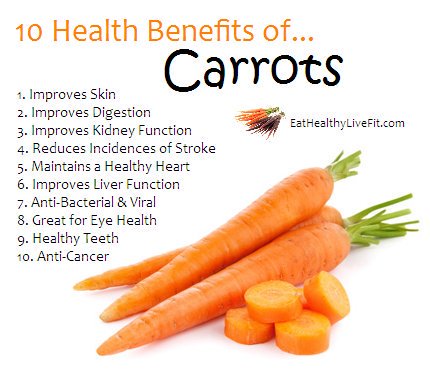
#HealthTips 10 Health Benefits of Carrots
Nutrition key to sound health
#HealthTips 10 Health Benefits of Carrots

Serves 16**depending on the size of your muffin casesThis is a great recipe to impress when the girls are coming around for an afternoon chat. That said, my children love to bake these with me too. The blueberries give them the added extra goodness.Ingredients:
- 300g golden caster sugar
- 4 eggs
- 170ml sunflower oil
- 100ml milk
- 280g self-raising flour
- 100g Flahavan’s Progress Oatlets
- ½ tsp ground ginger
- ½ tsp salt
- 150g blueberries
- 1 large pear, peeled and finely diced
For the Topping
- 150g cream cheese
- 100g butter, softened
- 2 pieces stemmed ginger, very finely chopped
- 2 tsp ginger syrup
- 350g icing sugar
- 2 poached pears, thinly sliced for decorating
- Edible flowers to decorate (optional)
Method:
- Preheat the oven to 170°C/Fan 150°C/Gas 3.
- Place muffin cases in a muffin tray.
- Whisk the sugar, eggs, milk and oil together until thick and pale.
- Fold in the flour, oatlets, ginger and salt.
- Stir in the blueberries and diced pear.
- Spoon the mixture into the muffin cases.
- Bake for 25 – 30 minutes or until lightly golden.
- Place on a cooling rack.
- Cream the butter in a large bowl, then add some icing sugar, followed by the cream cheese and the rest of the icing sugar. Spoon in the ginger syrup.
- Pipe or spread over the cool muffins, decorate with chopped ginger and place slices of pear and a pretty edible flower on the top.
Tip:If using soft fruit like raspberries, just place fruit in freezer for about ½ hour and they will stay fairly whole when baked.http://www.flahavans.ie/recipes/oaty-blueberry-muffins-with-ginger-and-pear-frosting-/247
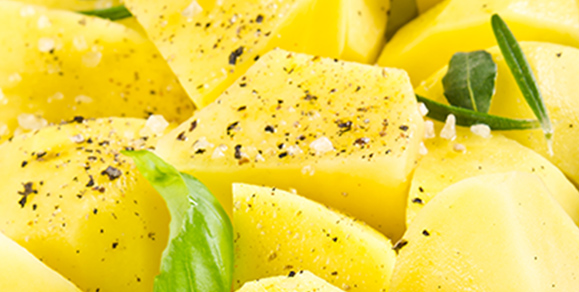
If Roosters always rule at your dinner table, why not give Setantas a go? Named after the young Cú Chulainn, these floury new season potatoes have Rooster lineage – and speaking of Irish legends, they’re only fabulous with a dollop of Dairygold! If Setantas aren’t in season, Home Guards are just as good.
Boil or steam a large Setanta potato until light and fluffy (this should take about 20 minutes).
While you’re waiting for the potato to cook, if any of the family want to know who the original Setanta was, now’s a good time to tell them. You can’t beat a good Irish myth.
Add a pinch of salt, a dash of cracked black pepper and (of course) a dollop of Dairygold.
If you have some to hand, add a little extra depth by topping with a sprinkle of fresh basil. This will really bring out the potato’s natural flavour.
– See more at: http://www.yourdairygold.ie/food-made-better/setanta-potatoes-with-basil-dairygold.aspx#sthash.EgeAahLr.dpuf
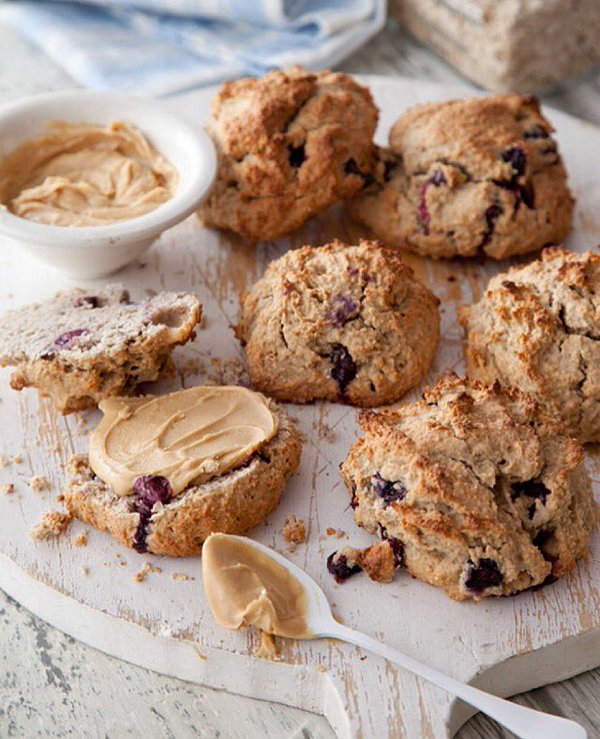
Simple Oat & Blueberry Scones 

 Check out the recipe over on
 @FlahavansIRL http://flahavans.ie/2mins #moveeatbreathe
Virginia Park Lodge @VPLodge 3 hours ago
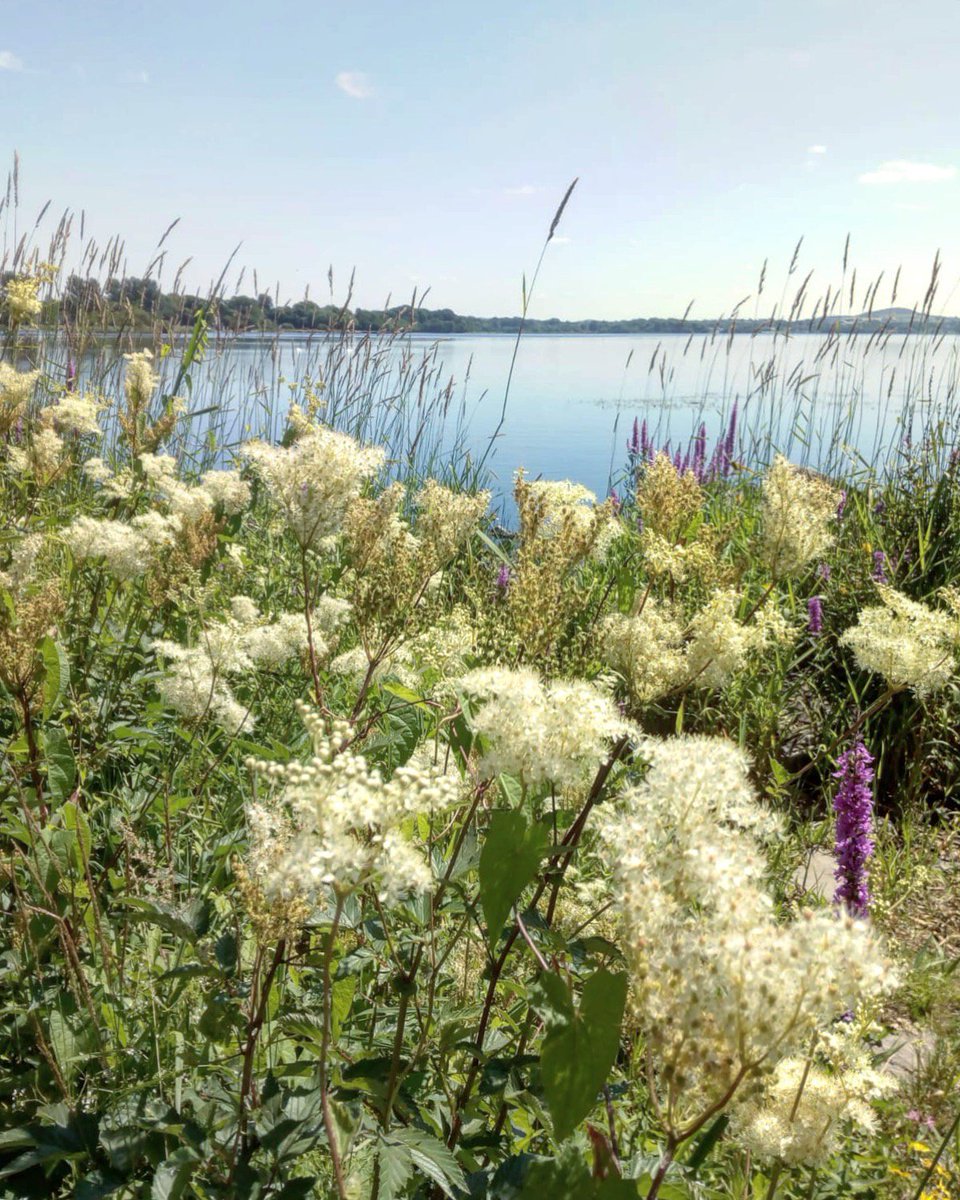
Meadowsweet at Lough Ramor. Or as Chef Eoin calls it, Cavan vanilla 

#wildfoods #wildfood #cavan #ireland #thisisireland #thisisirishfood #irishfood
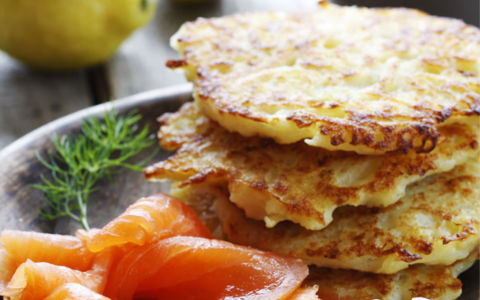
Put both the mashed and grated potatoes in a bowl. Sprinkle over the flour and seasoning and mix until evenly combined. Add the milk, little by little, until you have a dropping consistency.
Heat a little oil in a non-stick frying pan over a medium heat. Add a knob of butter. When the butter begins to foam, spoon a tablespoon of the mixture into the frying pan. Cook for a couple of minutes on each side until golden brown. Depending on the size of the pan you can cook two or three at the same time.
Remove from the pan and keep warm while you finish cooking the pancakes. Serve with sliced smoked salmon and a spoon of soured cream.

Keelings Fruits @keelingsfruits 7 minutes ago
“Did you know that magnesium is involved in over 300 functions in the body and is the 4th most abundant mineral in the body?” Aveen Bannon gives us the low-down on Magnesium. Find out more here: https://keelings.ie/magnesium/ #Keelings #Nutrition
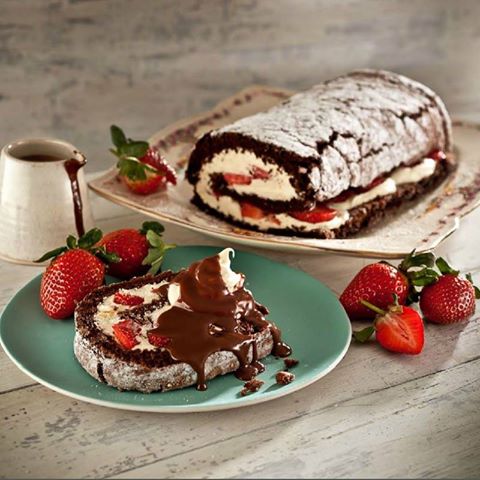
It’s one of our favourite days of the year! World Baking Day! Why not Add a Splash of Magic to the day and bake this Chocolate Roulade with Strawberries and Avonmore Cream http://bit.ly/1RAJ2zs
Simple Oat & Blueberry Scones Check out the recipe over on @FlahavansIRL http://flahavans.ie/2mins #moveeatbreathe
 Rozanna Purcell
  Foodaware