
By Dr. Tarique Naiyer Jamil in Internal Medicine
Mar 21, 2025
TABLE OF CONTENTS
- What Are Raw Bananas?
- 15 Health Benefits of Raw Bananas
- How to Eat Raw Bananas?
- Final Thoughts
- FAQs
- Citations
When you think of bananas, you probably imagine the ripe, sweet ones. But raw bananas—the unripe variety—are just as powerful when it comes to health benefits. Unlike their sweet friends, they’re packed with resistant starch, fibre, and essential nutrients that make them a game-changer for digestion, weight management, and overall health.
From supporting gut health to keeping blood sugar in check, the benefits of raw bananas are seriously underrated. In this blog, we’ll discuss the banana’s nutritional value, top health benefits, and the best ways to include it in your diet.
What Are Raw Bananas?
Raw bananas are merely unripe green bananas that are starchier, tougher, and less sweet than bananas when they are ripe. They’re popular in Indian, Thai, and Caribbean cooking, usually cooked into flavorful dishes, stir-fries, or even fried as chips.
What makes them special? It’s the amazing nutrients in raw bananas. The banana’s raw nutrition consists of:
- Resistant starch – A special fibre that enhances digestion and aids in weight loss.
- Potassium – Sustains muscle and heart function.
- Vitamin C – Increases immunity and skin.
- Vitamin B6 – Required for brain function and metabolism.
- Magnesium – Aids muscle repair and bone development.
With so many nutrients in raw bananas, it’s little wonder that the benefits of eating raw bananas translate to numerous areas of health.
15 Health Benefits of Raw Bananas
Below are 15 awesome health benefits of raw bananas and why you should consume raw bananas daily:
1. Promotes Gut Health
One of the greatest benefits of raw bananas is that they enhance digestion. The resistant starch in raw bananas serves as a prebiotic, i.e., it provides the good bacteria in your stomach. These beneficial bacteria are responsible for food breakdown, nutrient absorption, and inhibiting bloating, gas, and constipation. [1] A proper gut microbiome also enhances immunity and inhibits digestive disorders like IBS (Irritable Bowel Syndrome).
2. Promotes Weight Loss
When dieting for weight reduction, raw bananas are to your rescue. The fibre and resistant starch content of raw bananas keep you satiated for longer, doing away with unwanted snacking. As opposed to ripe bananas, which contain more sugar, raw bananas contain complex carbohydrates, which get digested slowly, ensuring constant metabolism. Raw bananas also suppress insulin surges, leading to fat storage.
3. Regulates Blood Sugar Levels
For insulin-resistant individuals or diabetics, raw bananas are a smart food choice. The nutrients in raw bananas contain resistant starch, which does not break down the carbohydrates immediately. This results in a slow release of sugar into the bloodstream, thus avoiding sudden peaks and dumps. Eating them regularly enhances the sensitivity of insulin, allowing the body to control blood sugar levels naturally.
4. Improves Heart Health
Raw bananas are rich in potassium, which is a mineral that assists in maintaining blood pressure. Potassium controls the body’s sodium to avoid high blood pressure and also lightens the workload of the heart. Raw banana nutrients also control healthy cholesterol levels by lowering LDL (bad cholesterol) and raising HDL (good cholesterol), lowering the risk of stroke and heart disease. [2]
5. Controls Digestive Health
If you have digestive problems, incorporating raw bananas into your diet can be magical. High fibre content ensures smooth digestion and reduces the risk of constipation. Meanwhile, their resistant starch behaves like a natural equaliser, calming the digestive tract and warding off diarrhoea and bloating. Additionally, they are rich in tannins, which possess gentle astringent characteristics that cure loose stools. [3]
6. Enhances Insulin Sensitivity
Insulin sensitivity refers to how your cells absorb insulin and utilise glucose to produce energy. Insulin resistance is a primary cause of Type 2 diabetes. It has been found that raw bananas contain resistant starch, and consuming them makes one more insulin sensitive, thus adding them to the list as an ideal product for a diet-balanced diabetic life. [4] Regular consumption is said to fight insulin resistance and support the improved control of blood sugar levels.
7. Strengthens Bones
Raw bananas are rich in magnesium, a mineral that promotes calcium absorption and bone density. Raw bananas are also beneficial for preventing osteoporosis and ensuring healthy bones during old age. Magnesium has the function of contracting and relaxing muscles and hence is required for bone and muscle health in general.
8. Reduces Inflammation
Inflammation is the cause of most chronic conditions, such as arthritis, heart disease, and even cancer. [5] Raw bananas are a storehouse of antioxidants and vitamin C, which fight oxidative stress and reduce inflammation in the body. Raw bananas protect the body from cell damage by fighting free radicals, slowing down ageing, and making the body healthier.
9. Stimulates Brain Function
Raw bananas can also stimulate the brain. They contain vitamin B6, which is important for the synthesis of neurotransmitters such as serotonin and dopamine. These brain chemicals control mood, sleep, and thinking. Raw bananas can improve memory, focus, and overall mental health and cut the risk of neurological disorders. [6]
10. Helps Control Diarrhoea
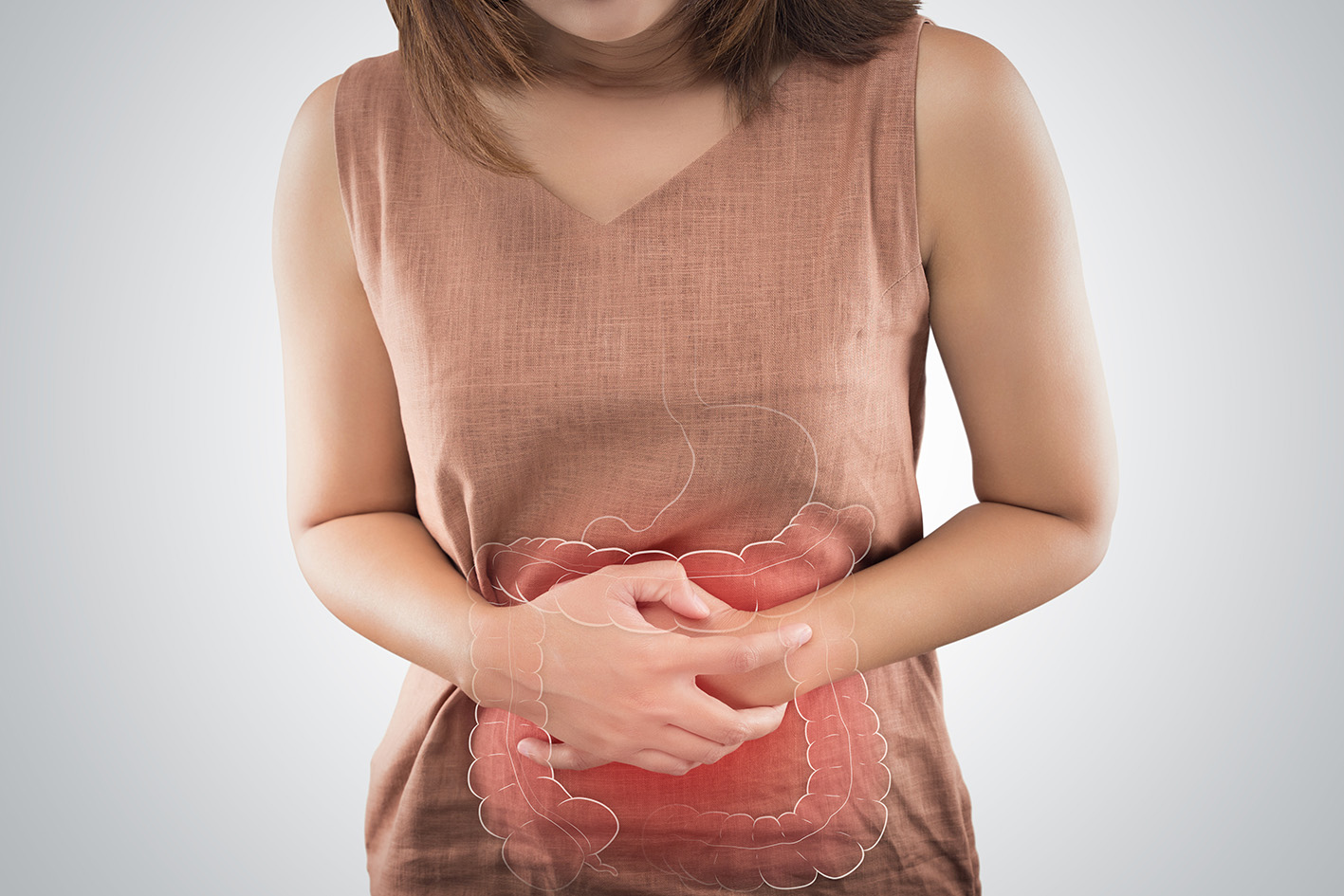
Among the main benefits of eating raw bananas is that a raw banana helps relieve diarrhoea effectively. Raw bananas have high levels of pectin and tannins that work to remove excess water content from the intestines, compacting loose motions. Their electrolytes are also lost and have to be restored in the process. This explains why raw bananas have been particularly advocated as an unprocessed, organic remedy to deal with diarrhoea according to customary medicinal practices.
11. Keeps Kidney Stones Away
Kidney stones occur when calcium and other minerals tend to deposit themselves in the kidneys. The presence of potassium in raw bananas serves to prevent that by ensuring excessive calcium is being removed through the urine rather than deposited and forming stones. The magnesium in them also serves to maintain healthy kidneys and curb the risk of urinary tract infections (UTIs).
12. Offers Long-Term Energy
Unlike energy-crushing candies, raw bananas are a long-lasting source of energy. Their slow-digesting complex carbohydrates deliver energy throughout the day. This is a perfect pre-workout food since it provides you with the energy you require without overdriving your blood sugar levels.
13. Supports Skin Health
Raw bananas are beneficial for your skin as well! Antioxidants and vitamin C in raw bananas fight off free radicals, preventing premature ageing, keeping your skin shining and firm, and triggering skin elasticity and healing due to the production of collagen. Mashed raw bananas applied as a face pack can calm acne, redness, and dryness.
14. Aids Muscle Recovery
If you are getting muscle cramps or pain after exercising daily, raw bananas can be your resort. Raw bananas contain magnesium and potassium, which have a significant role in repairing muscles by inhibiting inflammation and cramps. Sports athletes and health-conscious people eat raw bananas to quicken recovery after exercise and enhance the functioning of muscles.
15. Naturally Gluten-Free
Raw bananas are a very good substitute for normal grains for individuals suffering from gluten intolerance or celiac disease. Raw bananas can be converted into gluten-free banana flour and can be consumed as an excellent wheat flour substitute while cooking. Raw bananas are thus a good and versatile source of sustenance for individuals seeking to do away with gluten intake yet achieve the taste of scrumptious and healthy foods.








 Vicky DeRosa