2 large cloves of garlic, peeled and very thinly sliced
1 dried chilli, crushed into small pieces, or a pinch of chilli flakes
Salt and freshly ground black pepper
Juice and zest of 1 lemon
Directions
Wash the destalked spinach in several changes of cold water, then allow it to drain in order to remove as much of the water as possible.
Place a wide, low-sided, heavy saucepan or frying pan on the heat and add the olive oil. Immediately add the peeled thinly sliced garlic, and cook gently until the olive oil gets hot and the garlic colours slightly. Add the crushed dried chilli or the chilli flakes, whichever you are using, and cook for a few seconds – the garlic should now be golden.
Increase the heat and add the drained spinach, being careful because it will hiss and spit a bit. Cook the spinach, turning it constantly, then season with a little salt and freshly ground black pepper.
Add the lemon juice and zest, and stir them in. Pull the pan off the heat and taste. Correct the seasoning and serve the spinach immediately in a hot dish. The spinach can also be removed from the pan when it is cooked, spread out flat to cool, and served later at room temperature.
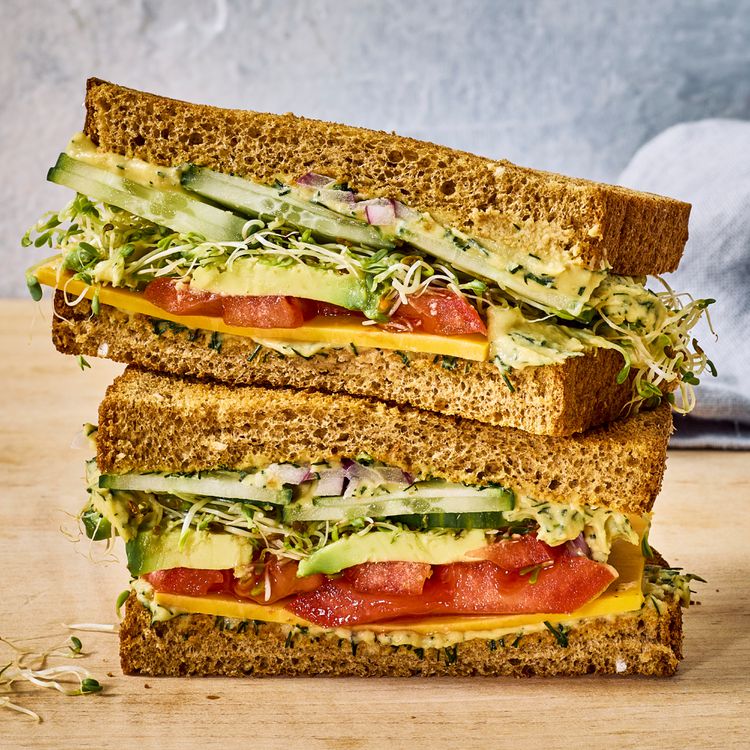
This tomato, cucumber and avocado sandwich is the perfect light and easy lunch. With just a few fresh ingredients, you can have a satisfying meal in just 10 minutes. Creamy avocado and hummus provide plant-based protein and healthy fats, while juicy tomatoes and crisp cucumbers bring refreshing crunch and flavor. Layer it all on whole-grain bread for an extra boost of fiber, and you’ve got a quick and wholesome sandwich at the ready!
Refreshing, light and satisfying, our Cucumber-Avocado-Tomato Sandwich is an easy and delicious lunch that will really hit the spot. Every sandwich starts with and needs a good condiment. For this one, we amplify store-bought hummus with the sweet tang of honey mustard and fresh dill for a hit of herby brightness. Then we stack on the fiber-packed veggies: cucumbers and onions give a nice crunch and contrast to the creamy, heart-healthy avocado and the juicy tomato; the alfalfa sprouts add great texture. Cheddar cheese adds bone-boosting calcium and a salty, sharp flavor that complements the fresh veggies perfectly, and hearty toasted whole-wheat bread is the perfect vessel for all these wholesome toppings. Keep reading for our expert tips, including recommendations on swapping out hummus flavors.
Tips from the EatingWell Test Kitchen
These are the key tips we learned while developing and testing this recipe in our Test Kitchen to make sure it works, tastes great and is good for you too!
Experiment with different flavors of hummus for your spread. Try garlic hummus, dill pickle hummus or even make your own. To prepare a batch of our Classic Hummus, use a food processor and add a handful of ingredients: garlic, chickpeas, lemon juice, olive oil, tahini and salt. Best of all, this flavor-spiked hummus takes just 10 minutes to make!
While a chef’s knife can cut cucumbers, a serrated knife is more effective for slicing tomatoes. The serrated edge easily cuts through the skin and flesh without damaging the soft interior.
Nutrition Notes
Cucumbers aren’t brimming with the typical vitamins and minerals that you’ll find in many fruits and vegetables, but they are an important vegetable because they contain antioxidant phytonutrients that can help protect against inflammation. They are also more than 95% water, which makes them a hydrating vegetable—great for your skin.
Avocados are known for being high in fat, but it’s the type of fat that your heart loves: monounsaturated fat. Avocados are also brimming with fiber, which has been shown to improve the health of the microbiome, and impacts your health in many ways, including strengthening your immune system, improving cognition and lowering inflammation.
There are few things tastier than a really good tomato, and they are really good for you. Tomatoes are high in vitamin C, which is essential for healthy immune function. They are also high in a carotenoid called lycopene, an antioxidant that helps maintain healthy cells throughout the body, and eating foods with lycopene regularly can help lower your risk of heart disease.
Whole-wheat bread is a heartier choice of bread for this sandwich and you’ll get the benefit of more nutrients and more fiber. Eating more fiber can lead to better digestive health. Whole-wheat bread is also a source of important B vitamins—essential for your working metabolism.
Ingredients
¼ cup plain hummus
1 tablespoon chopped fresh dill
1½ teaspoons honey mustard
2 thin slices whole-wheat bread, toasted
1 (1-ounce) slice sharp Cheddar cheese
½ small tomato, thinly sliced
¼ medium avocado, thinly sliced
¼ cup alfalfa sprouts
¼ cup thinly sliced English cucumber
1 tablespoon thinly sliced red onion
Pinch of salt
Directions
Stir ¼ cup hummus, 1 tablespoon dill and 1½ teaspoons honey mustard together in a small bowl until well combined. Spread the hummus mixture on 1 side of each of 2 toast slices. Layer 1 cheese slice, tomato slices, avocado slices, ¼ cup alfalfa sprouts, ¼ cup cucumber and 1 tablespoon red onion over the hummus on 1 toast slice; sprinkle with salt. Top with the remaining toast slice, hummus-side down. Cut the sandwich in half diagonally.
Sourdough toast with coconut yogurt, homemade sugarfree raspberry chia jam and some homemade granola – also sugarless. This jam can be made in minutes! For how to go to our Insta or FB. #healthybreakfast#sugarfree#glutenfree#vegan#paleo#drcoys
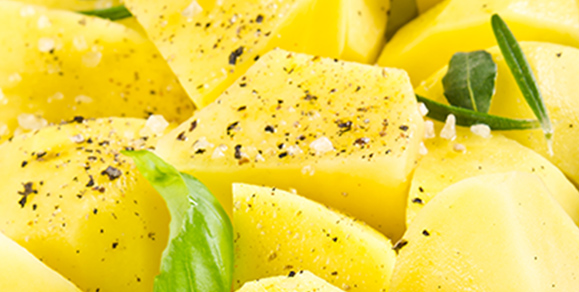
If Roosters always rule at your dinner table, why not give Setantas a go? Named after the young Cú Chulainn, these floury new season potatoes have Rooster lineage – and speaking of Irish legends, they’re only fabulous with a dollop of Dairygold! If Setantas aren’t in season, Home Guards are just as good.
Ingredients
1 large Setanta potato
1 tbsp / 15g Dairygold
Cracked black pepper
Sea salt
Sprinkle of fresh basil (optional)
Instructions
Boil or steam a large Setanta potato until light and fluffy (this should take about 20 minutes).
While you’re waiting for the potato to cook, if any of the family want to know who the original Setanta was, now’s a good time to tell them. You can’t beat a good Irish myth.
Add a pinch of salt, a dash of cracked black pepper and (of course) a dollop of Dairygold.
If you have some to hand, add a little extra depth by topping with a sprinkle of fresh basil. This will really bring out the potato’s natural flavour.
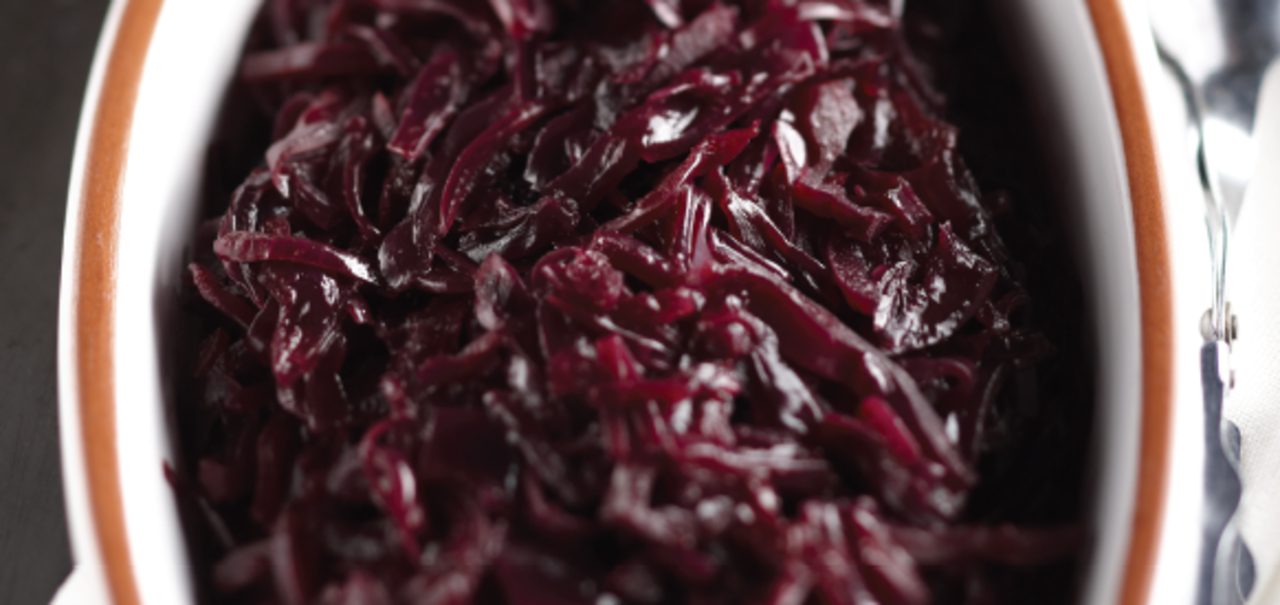
The easiest way to cut the red cabbage and onions is on a Japanese mandoline but of course you can do it with a sharp knife if you don’t have one or a food processor works well too. This would be delicious as a side order or serve with baked jacket potatoes with a dollop of soured cream and chives for a light supper.
1 small head red cabbage, finely shredded (core discarded)
2 red onions, thinly sliced
2 cooking apples, peeled, cored and grated
2 cups (18fl oz) pomegranate or cranberry juice
2 tbsp balsamic vinegar
4 tbsp light brown sugar
½ tsp ground cinnamon
½ tsp mixed spice
good pinch of ground cloves
salt and freshly ground black pepper
Directions:
Heat a very large heavy-based pan. Add the butter and once it has melted, tip in the red cabbage and onions. Sauté over a medium to high heat for about 10 minutes until just beginning to soften.
Stir the apple into the cabbage mixture and then add the pomegranate or cranberry juice, balsamic vinegar, sugar and spices. Bring to the boil, stirring occasionally, then reduce the heat and simmer for about 1 hour over a low heat, stirring every 20 minutes until the cabbage is meltingly tender. Transfer to a warmed dish and serve at once.
Heat a little of the olive oil and sauté the mushrooms for a minute or two and season.
Set aside. Bring a shallow pan of water to simmer, add the vinegar and salt. Break one egg onto a saucer, stir the water to create a whirlpool, tip in the egg and leave to cook for 3 minutes. Using a slotted spoon, lift on to a plate. Repeat with the remaining eggs. Keep the water hot.
Heat the grill to high, arrange the mushrooms on the untoasted side of the bread, cover with the tomatoes and then the cheese, grill for 5-6 mins until the cheese has just melted. Place the toast on warmed plates. Slide all the eggs back into the hot water and leave for 30 seconds, lift out and drain on kitchen paper, then put one on top of toast. Season and serve.



Serves 4-6.
You will need:
1kg (2lb 3oz) spinach leaves, stalks removed
2 tablespoons olive oil
2 large cloves of garlic, peeled and very thinly sliced
1 dried chilli, crushed into small pieces, or a pinch of chilli flakes
Salt and freshly ground black pepper
Juice and zest of 1 lemon