110g (4oz) spring onions, white and green parts, chopped
50g (1¾oz) dried cranberries
2 medium carrots, peeled and grated
1½ teaspoon ground cinnamon
1 teaspoon ground allspice
salt and freshly ground black pepper
1 pomegranate, cut in half, seeds removed
75g (3oz) toasted pine nuts (toasted in a dry frying pan over a high heat)
For the olive oil dressing, you will need:
50ml (1¾fl oz) extra-virgin olive oil
Juice of 1 lemon
1 teaspoon honey
Rinse the red or black quinoa, whichever you are using, in a sieve under cold water for two to three minutes to remove the bitter coating. Put the quinoa in a saucepan with the cold water and the salt and add a tight-fitting lid. Bring to the boil, then reduce the heat to very low and cook, covered, for 12 minutes until the quinoa is tender. Turn off the heat, but leave the lid on for 10 more minutes.
To make the dressing, mix the extra-virgin olive oil, the lemon juice and the honey. Add the dressing to the warm quinoa and allow it to cool. Then add in the chopped parsley, the chopped mint, the chopped spring onions, the dried cranberries, the grated carrots, the ground cinnamon and the ground allspice to the cooled quinoa. Mix well and season with the salt and freshly ground black pepper. Tip into a serving bowl and scatter the pomegranate seeds and the toasted pine nuts over the top.
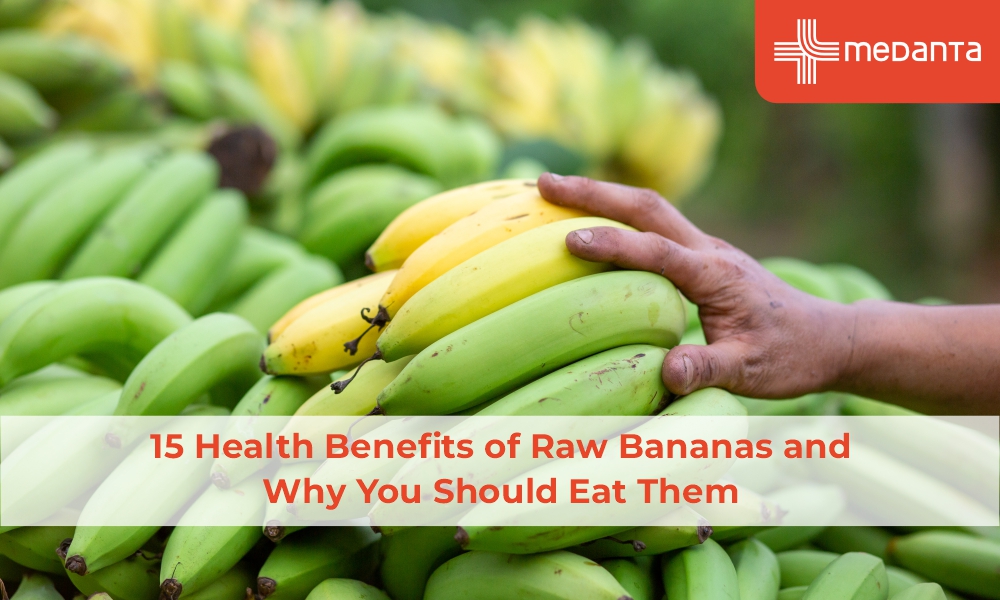
When you think of bananas, you probably imagine the ripe, sweet ones. But raw bananas—the unripe variety—are just as powerful when it comes to health benefits. Unlike their sweet friends, they’re packed with resistant starch, fibre, and essential nutrients that make them a game-changer for digestion, weight management, and overall health.
From supporting gut health to keeping blood sugar in check, the benefits of raw bananas are seriously underrated. In this blog, we’ll discuss the banana’s nutritional value, top health benefits, and the best ways to include it in your diet.
What Are Raw Bananas?
Raw bananas are merely unripe green bananas that are starchier, tougher, and less sweet than bananas when they are ripe. They’re popular in Indian, Thai, and Caribbean cooking, usually cooked into flavorful dishes, stir-fries, or even fried as chips.
What makes them special? It’s the amazing nutrients in raw bananas. The banana’s raw nutrition consists of:
Resistant starch – A special fibre that enhances digestion and aids in weight loss.
Potassium – Sustains muscle and heart function.
Vitamin C – Increases immunity and skin.
Vitamin B6 – Required for brain function and metabolism.
Magnesium – Aids muscle repair and bone development.
With so many nutrients in raw bananas, it’s little wonder that the benefits of eating raw bananas translate to numerous areas of health.
15 Health Benefits of Raw Bananas
Below are 15 awesome health benefits of raw bananas and why you should consume raw bananas daily:
1. Promotes Gut Health
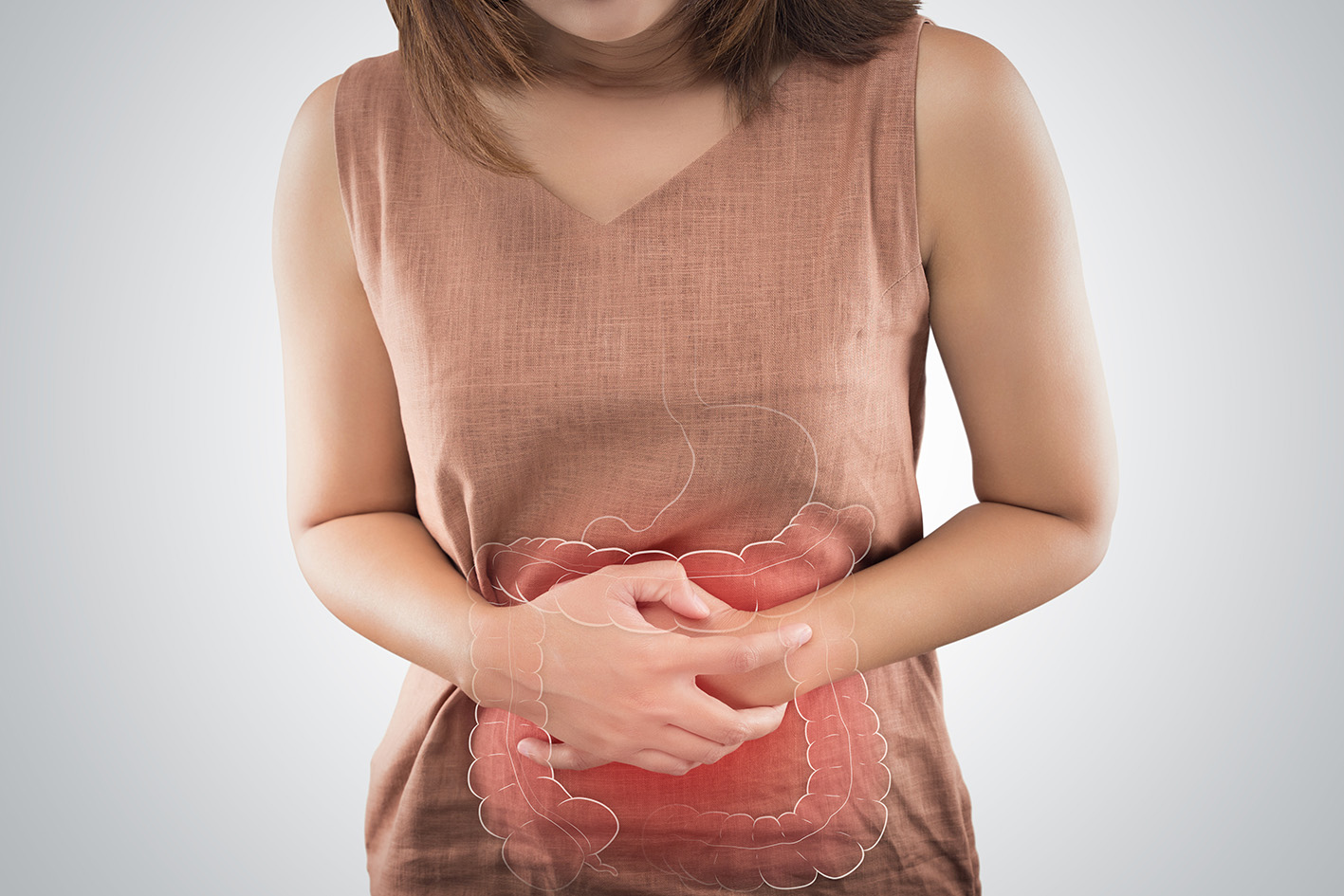
One of the greatest benefits of raw bananas is that they enhance digestion. The resistant starch in raw bananas serves as a prebiotic, i.e., it provides the good bacteria in your stomach. These beneficial bacteria are responsible for food breakdown, nutrient absorption, and inhibiting bloating, gas, and constipation. [1] A proper gut microbiome also enhances immunity and inhibits digestive disorders like IBS (Irritable Bowel Syndrome).
2. Promotes Weight Loss
When dieting for weight reduction, raw bananas are to your rescue. The fibre and resistant starch content of raw bananas keep you satiated for longer, doing away with unwanted snacking. As opposed to ripe bananas, which contain more sugar, raw bananas contain complex carbohydrates, which get digested slowly, ensuring constant metabolism. Raw bananas also suppress insulin surges, leading to fat storage.
3. Regulates Blood Sugar Levels
For insulin-resistant individuals or diabetics, raw bananas are a smart food choice. The nutrients in raw bananas contain resistant starch, which does not break down the carbohydrates immediately. This results in a slow release of sugar into the bloodstream, thus avoiding sudden peaks and dumps. Eating them regularly enhances the sensitivity of insulin, allowing the body to control blood sugar levels naturally.
4. Improves Heart Health
Raw bananas are rich in potassium, which is a mineral that assists in maintaining blood pressure. Potassium controls the body’s sodium to avoid high blood pressure and also lightens the workload of the heart. Raw banana nutrients also control healthy cholesterol levels by lowering LDL (bad cholesterol) and raising HDL (good cholesterol), lowering the risk of stroke and heart disease. [2]
5. Controls Digestive Health
If you have digestive problems, incorporating raw bananas into your diet can be magical. High fibre content ensures smooth digestion and reduces the risk of constipation. Meanwhile, their resistant starch behaves like a natural equaliser, calming the digestive tract and warding off diarrhoea and bloating. Additionally, they are rich in tannins, which possess gentle astringent characteristics that cure loose stools. [3]
6. Enhances Insulin Sensitivity
Insulin sensitivity refers to how your cells absorb insulin and utilise glucose to produce energy. Insulin resistance is a primary cause of Type 2 diabetes. It has been found that raw bananas contain resistant starch, and consuming them makes one more insulin sensitive, thus adding them to the list as an ideal product for a diet-balanced diabetic life. [4] Regular consumption is said to fight insulin resistance and support the improved control of blood sugar levels.
7. Strengthens Bones
Raw bananas are rich in magnesium, a mineral that promotes calcium absorption and bone density. Raw bananas are also beneficial for preventing osteoporosis and ensuring healthy bones during old age. Magnesium has the function of contracting and relaxing muscles and hence is required for bone and muscle health in general.
8. Reduces Inflammation
Inflammation is the cause of most chronic conditions, such as arthritis, heart disease, and even cancer. [5] Raw bananas are a storehouse of antioxidants and vitamin C, which fight oxidative stress and reduce inflammation in the body. Raw bananas protect the body from cell damage by fighting free radicals, slowing down ageing, and making the body healthier.
9. Stimulates Brain Function
Raw bananas can also stimulate the brain. They contain vitamin B6, which is important for the synthesis of neurotransmitters such as serotonin and dopamine. These brain chemicals control mood, sleep, and thinking. Raw bananas can improve memory, focus, and overall mental health and cut the risk of neurological disorders. [6]
10. Helps Control Diarrhoea
Among the main benefits of eating raw bananas is that a raw banana helps relieve diarrhoea effectively. Raw bananas have high levels of pectin and tannins that work to remove excess water content from the intestines, compacting loose motions. Their electrolytes are also lost and have to be restored in the process. This explains why raw bananas have been particularly advocated as an unprocessed, organic remedy to deal with diarrhoea according to customary medicinal practices.
11. Keeps Kidney Stones Away
Kidney stones occur when calcium and other minerals tend to deposit themselves in the kidneys. The presence of potassium in raw bananas serves to prevent that by ensuring excessive calcium is being removed through the urine rather than deposited and forming stones. The magnesium in them also serves to maintain healthy kidneys and curb the risk of urinary tract infections (UTIs).
12. Offers Long-Term Energy
Unlike energy-crushing candies, raw bananas are a long-lasting source of energy. Their slow-digesting complex carbohydrates deliver energy throughout the day. This is a perfect pre-workout food since it provides you with the energy you require without overdriving your blood sugar levels.
13. Supports Skin Health
Raw bananas are beneficial for your skin as well! Antioxidants and vitamin C in raw bananas fight off free radicals, preventing premature ageing, keeping your skin shining and firm, and triggering skin elasticity and healing due to the production of collagen. Mashed raw bananas applied as a face pack can calm acne, redness, and dryness.
14. Aids Muscle Recovery
If you are getting muscle cramps or pain after exercising daily, raw bananas can be your resort. Raw bananas contain magnesium and potassium, which have a significant role in repairing muscles by inhibiting inflammation and cramps. Sports athletes and health-conscious people eat raw bananas to quicken recovery after exercise and enhance the functioning of muscles.
15. Naturally Gluten-Free
Raw bananas are a very good substitute for normal grains for individuals suffering from gluten intolerance or celiac disease. Raw bananas can be converted into gluten-free banana flour and can be consumed as an excellent wheat flour substitute while cooking. Raw bananas are thus a good and versatile source of sustenance for individuals seeking to do away with gluten intake yet achieve the taste of scrumptious and healthy foods.
I don’t know about you but I love my bed! And I firmly believe that a good night’s sleep can make you feel so good! Breathing, eating and sleeping are three of the most basic and essential functions we do as humans. But can food affect our sleep or does our sleep affect our food? The reality is that it is probably a bit of both…On average we need between 7-9 hours’ sleep per night with some people managing on less and others may need more. Lack of sleep can lead to irritability, fatigue and difficulty concentrating. However chronic poor sleep has been linked to obesity, diabetes and heart disease.
In general, research has found that eating in line with the Mediterranean or DASH diet, both of which promote fruits and vegetables, fiber rich foods and healthy mono-unsaturated and polyunsaturated fats tends to be associated with better quality sleep. Magnesium is a mineral that is reported to help with sleep regulation and is found in bananas, nuts, green vegetables, tofu and dairy. Melatonin is a micronutrient present in some foods but also a hormone that occurs naturally in the body and helps control sleep patterns. Melatonin, is found in tart cherry juice, eggs, nuts and dairy. Interestingly the tradition of hot milk before bed comes from Roman times… and milk contains both magnesium, melatonin and an amino acid called tryptophan which helps produce serotonin and melatonin.
Kiwifruit is another food that has been reported to have a positive impact on sleep duration and quality. In one four-week trial of adults with sleep problems, consumption of two kiwifruits per day one hour before bedtime significantly increased total sleep time and sleep efficiency. A potential reason for this is that they are a rich source of antioxidant and contain the hormone serotonin. Either way they are also great sources of vitamin C and great for keeping bowel movements regular.
Do you ever feel like you make poorer food choices when you’re tired? There may be good reason behind this. Sleep deprivation can cause a drop in Leptin levels (a hormone that signals fullness) and increases the hormone Ghrelin (hormone that stimulates appetite). This change in hormones can explain why you might eat more when missing sleep or why you tend to eat more without feeling full when you have had minimal sleep. US research from Cedar- Sinai Medical Centre also found that lack of sleep increased insulin resistance. So, we can see that regular good night sleep helps manage hormones, appetite and possible food choices.
Caffeine and alcohol can negatively affect falling asleep and sleep quality so best to keep within healthy limits if struggling with sleep. Maybe keep the caffeine to before midday!
Another great nutritious egg recipe from Daniel Davey, Sports Nutritionist
Serves 8 bars
Ingredients
175g porridge oats
2 large bananas, mashed
2 tablesp. honey
2 large eggs, beaten
To Cook
1. Preheat the oven to Gas Mark 4, 180°C (350°F).
2. In a large bowl mix all the ingredients, except your chosen toppings.
3. Transfer the mixture to a small baking tin, approximately 25cm x 20cm, lined with greaseproof paper. It mixture should be about 2½-3cm deep.
4. Add your choice of toppings and bake in a pre-heated oven for 30 minutes.
5. Allow to cool, slice and serve.
Apples are high in antioxidants, which can help to prevent and repair oxidation damage and inflammation on the cellular level. They are also full of soluble fiber, which balances blood sugar swings. Plus so much more: https://trib.al/OE51vfE
James is a happy chappy because he got his food heaven today! If you want to give Anna’s steak with black garlic purée a go, you can find the recipe here: https://bbc.co.uk/food/recipes/garlic_and_rosemary_46551 Helen recommends with Taste the Difference Maremma Toscana 2019 (£10, Sainsbury’s)
Cabbage often—and unfairly—gets overlooked, with flashier veggies and protein-dense superfoods getting all the attention. But as far as nutritional food options go, the leafy green is pretty hard to beat. A staple in different cuisines (American coleslaw! Middle Eastern malfouf! Chinese suan la bai cai!), cabbage has been a longtime favorite amongst global chefs.
“Much of this stems from its versatility,” Woldy Reyes, chef and author of the cookbook In the Kusina: My Seasonal Filipino Cooking, tells Vogue. “We are seeing a growing trend of chefs utilizing it as a centerpiece, such as cabbage steaks, rather than as a side dish. The culinary appeal has never been stronger.”
“Its popularity stems from its ability to transform,” adds Tatiana Mora, chef of plant-based Michelin star restaurant Mita. “It can be eaten raw, fermented, steamed, roasted, or sautéed, consistently providing flavor, texture, and nutrition. I love it because it is a noble vegetable that grows easily, keeps well, and can be used almost entirely, making it perfect for a conscious and respectful approach to cooking.”
It’s accessible, easy to cook, and delicious. Here are all the reasons cabbage deserves a seat at your table (get it?) in 2026.
What is cabbage?
Cabbage is a leafy green that is part of the brassica plant family (which also includes broccoli, cauliflower, brussels sprouts, and kale), says Amy Shapiro, RD, registered dietitian and founder of Real Nutrition. It comes in several varieties, but the most common ones you’ll see are green, red (or purple), and savoy. What makes cabbage different from other leafy greens is its density and durability. “It’s heartier, stores longer, and holds up well to cooking, fermenting, and shredding,” Shapiro says. “Nutritionally, it shares many benefits with other cruciferous vegetables, but it’s often milder in flavor and more versatile across cuisines.”
The Benefits
Besides its versatility, one of the main benefits of cabbage is its many nutrients. Shapiro lists other main benefits of the leafy green:
Supports Gut Health
Shapiro says that, because cabbage contains fiber and other compounds that support digestion, eating this leafy green can benefit the gut bacteria and boost gut health.
Anti-Inflammatory Properties
Cabbage is also rich in antioxidants and phytonutrients that studies have shown can reduce inflammation, she says.
Boosts Heart Health
Along with fiber, cabbage has potassium, which supports healthy cholesterol levels and blood pressure. Cabbage also has vitamin K, which is essential for blood clotting (and bone health). Shapiro points to red cabbage in particular, which she says contains antioxidants called anthocyanins that studies have shown can improve brain and heart health.
Regulates Blood Sugar
Cabbage is low in calories and carbs while being high in fiber, which can help stabilize glucose levels in the body.
When you think of bananas, you probably imagine the ripe, sweet ones. But raw bananas—the unripe variety—are just as powerful when it comes to health benefits. Unlike their sweet friends, they’re packed with resistant starch, fibre, and essential nutrients that make them a game-changer for digestion, weight management, and overall health.
From supporting gut health to keeping blood sugar in check, the benefits of raw bananas are seriously underrated. In this blog, we’ll discuss the banana’s nutritional value, top health benefits, and the best ways to include it in your diet.
What Are Raw Bananas?
Raw bananas are merely unripe green bananas that are starchier, tougher, and less sweet than bananas when they are ripe. They’re popular in Indian, Thai, and Caribbean cooking, usually cooked into flavorful dishes, stir-fries, or even fried as chips.
What makes them special? It’s the amazing nutrients in raw bananas. The banana’s raw nutrition consists of:
Resistant starch – A special fibre that enhances digestion and aids in weight loss.
Potassium – Sustains muscle and heart function.
Vitamin C – Increases immunity and skin.
Vitamin B6 – Required for brain function and metabolism.
Magnesium – Aids muscle repair and bone development.
With so many nutrients in raw bananas, it’s little wonder that the benefits of eating raw bananas translate to numerous areas of health.
15 Health Benefits of Raw Bananas
Below are 15 awesome health benefits of raw bananas and why you should consume raw bananas daily:
1. Promotes Gut Health
One of the greatest benefits of raw bananas is that they enhance digestion. The resistant starch in raw bananas serves as a prebiotic, i.e., it provides the good bacteria in your stomach. These beneficial bacteria are responsible for food breakdown, nutrient absorption, and inhibiting bloating, gas, and constipation. [1] A proper gut microbiome also enhances immunity and inhibits digestive disorders like IBS (Irritable Bowel Syndrome).
2. Promotes Weight Loss
When dieting for weight reduction, raw bananas are to your rescue. The fibre and resistant starch content of raw bananas keep you satiated for longer, doing away with unwanted snacking. As opposed to ripe bananas, which contain more sugar, raw bananas contain complex carbohydrates, which get digested slowly, ensuring constant metabolism. Raw bananas also suppress insulin surges, leading to fat storage.
3. Regulates Blood Sugar Levels
For insulin-resistant individuals or diabetics, raw bananas are a smart food choice. The nutrients in raw bananas contain resistant starch, which does not break down the carbohydrates immediately. This results in a slow release of sugar into the bloodstream, thus avoiding sudden peaks and dumps. Eating them regularly enhances the sensitivity of insulin, allowing the body to control blood sugar levels naturally.
4. Improves Heart Health
Raw bananas are rich in potassium, which is a mineral that assists in maintaining blood pressure. Potassium controls the body’s sodium to avoid high blood pressure and also lightens the workload of the heart. Raw banana nutrients also control healthy cholesterol levels by lowering LDL (bad cholesterol) and raising HDL (good cholesterol), lowering the risk of stroke and heart disease. [2]
5. Controls Digestive Health
If you have digestive problems, incorporating raw bananas into your diet can be magical. High fibre content ensures smooth digestion and reduces the risk of constipation. Meanwhile, their resistant starch behaves like a natural equaliser, calming the digestive tract and warding off diarrhoea and bloating. Additionally, they are rich in tannins, which possess gentle astringent characteristics that cure loose stools. [3]
6. Enhances Insulin Sensitivity
Insulin sensitivity refers to how your cells absorb insulin and utilise glucose to produce energy. Insulin resistance is a primary cause of Type 2 diabetes. It has been found that raw bananas contain resistant starch, and consuming them makes one more insulin sensitive, thus adding them to the list as an ideal product for a diet-balanced diabetic life. [4] Regular consumption is said to fight insulin resistance and support the improved control of blood sugar levels.
7. Strengthens Bones
Raw bananas are rich in magnesium, a mineral that promotes calcium absorption and bone density. Raw bananas are also beneficial for preventing osteoporosis and ensuring healthy bones during old age. Magnesium has the function of contracting and relaxing muscles and hence is required for bone and muscle health in general.
8. Reduces Inflammation
Inflammation is the cause of most chronic conditions, such as arthritis, heart disease, and even cancer. [5] Raw bananas are a storehouse of antioxidants and vitamin C, which fight oxidative stress and reduce inflammation in the body. Raw bananas protect the body from cell damage by fighting free radicals, slowing down ageing, and making the body healthier.
9. Stimulates Brain Function
Raw bananas can also stimulate the brain. They contain vitamin B6, which is important for the synthesis of neurotransmitters such as serotonin and dopamine. These brain chemicals control mood, sleep, and thinking. Raw bananas can improve memory, focus, and overall mental health and cut the risk of neurological disorders. [6]
10. Helps Control Diarrhoea
Among the main benefits of eating raw bananas is that a raw banana helps relieve diarrhoea effectively. Raw bananas have high levels of pectin and tannins that work to remove excess water content from the intestines, compacting loose motions. Their electrolytes are also lost and have to be restored in the process. This explains why raw bananas have been particularly advocated as an unprocessed, organic remedy to deal with diarrhoea according to customary medicinal practices.
11. Keeps Kidney Stones Away
Kidney stones occur when calcium and other minerals tend to deposit themselves in the kidneys. The presence of potassium in raw bananas serves to prevent that by ensuring excessive calcium is being removed through the urine rather than deposited and forming stones. The magnesium in them also serves to maintain healthy kidneys and curb the risk of urinary tract infections (UTIs).
12. Offers Long-Term Energy
Unlike energy-crushing candies, raw bananas are a long-lasting source of energy. Their slow-digesting complex carbohydrates deliver energy throughout the day. This is a perfect pre-workout food since it provides you with the energy you require without overdriving your blood sugar levels.
13. Supports Skin Health
Raw bananas are beneficial for your skin as well! Antioxidants and vitamin C in raw bananas fight off free radicals, preventing premature ageing, keeping your skin shining and firm, and triggering skin elasticity and healing due to the production of collagen. Mashed raw bananas applied as a face pack can calm acne, redness, and dryness.
14. Aids Muscle Recovery
If you are getting muscle cramps or pain after exercising daily, raw bananas can be your resort. Raw bananas contain magnesium and potassium, which have a significant role in repairing muscles by inhibiting inflammation and cramps. Sports athletes and health-conscious people eat raw bananas to quicken recovery after exercise and enhance the functioning of muscles.
15. Naturally Gluten-Free
Raw bananas are a very good substitute for normal grains for individuals suffering from gluten intolerance or celiac disease. Raw bananas can be converted into gluten-free banana flour and can be consumed as an excellent wheat flour substitute while cooking. Raw bananas are thus a good and versatile source of sustenance for individuals seeking to do away with gluten intake yet achieve the taste of scrumptious and healthy foods.
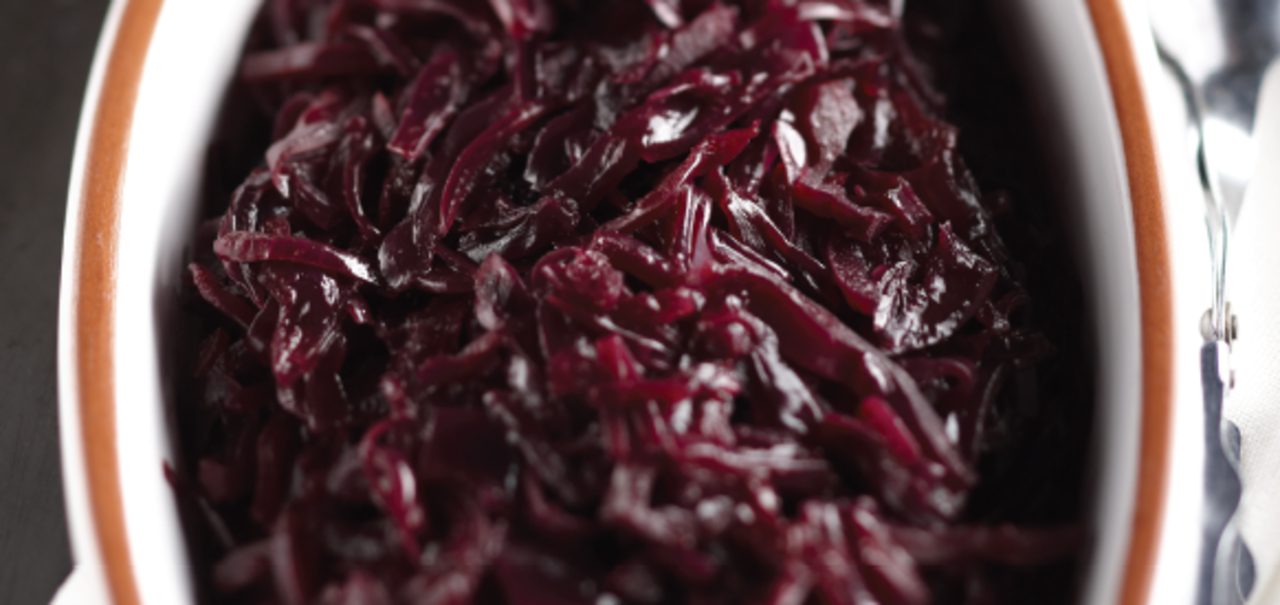
The easiest way to cut the red cabbage and onions is on a Japanese mandoline but of course you can do it with a sharp knife if you don’t have one or a food processor works well too. This would be delicious as a side order or serve with baked jacket potatoes with a dollop of soured cream and chives for a light supper.
1 small head red cabbage, finely shredded (core discarded)
2 red onions, thinly sliced
2 cooking apples, peeled, cored and grated
2 cups (18fl oz) pomegranate or cranberry juice
2 tbsp balsamic vinegar
4 tbsp light brown sugar
½ tsp ground cinnamon
½ tsp mixed spice
good pinch of ground cloves
salt and freshly ground black pepper
Directions:
Heat a very large heavy-based pan. Add the butter and once it has melted, tip in the red cabbage and onions. Sauté over a medium to high heat for about 10 minutes until just beginning to soften.
Stir the apple into the cabbage mixture and then add the pomegranate or cranberry juice, balsamic vinegar, sugar and spices. Bring to the boil, stirring occasionally, then reduce the heat and simmer for about 1 hour over a low heat, stirring every 20 minutes until the cabbage is meltingly tender. Transfer to a warmed dish and serve at once.









 Foodaware