

glenilenfarm
Our Jars are the perfect snack this Bank Holiday weekend! #afewsimpleingredients
Nutrition key to sound health

This traditional Irish peasant food gets an upgrade with the help of some pure Irish butter and decadent truffle oil. The snap of fresh chives adds a finishing touch to an old-fashioned side made new again.
Heat oven to 400° F. Cut off the top 1/2 to 1 inch off garlic bulb to expose cloves. Wrap garlic in foil, place in baking pan and bake until soft and browned, about 45 minutes. Squeeze garlic from skins. Meanwhile, in large saucepan over high heat, bring 1 quart water to boil. Add potatoes, cover and return to boil. Reduce heat to medium-high and simmer until potatoes are very tender, about 10 minutes. Drain potatoes and return to pan. Heat milk in microwave oven until steaming, about 1 minute. Pour milk over potatoes, add roasted garlic and mash with potato masher. Season with salt and pepper to taste. Spoon onto four plates or small bowls. Make a well in the middle of each serving and fill with 1 tablespoon Kerrygold Butter. Drizzle each serving with 2 teaspoons truffle oil and sprinkle with 1 teaspoon chives.
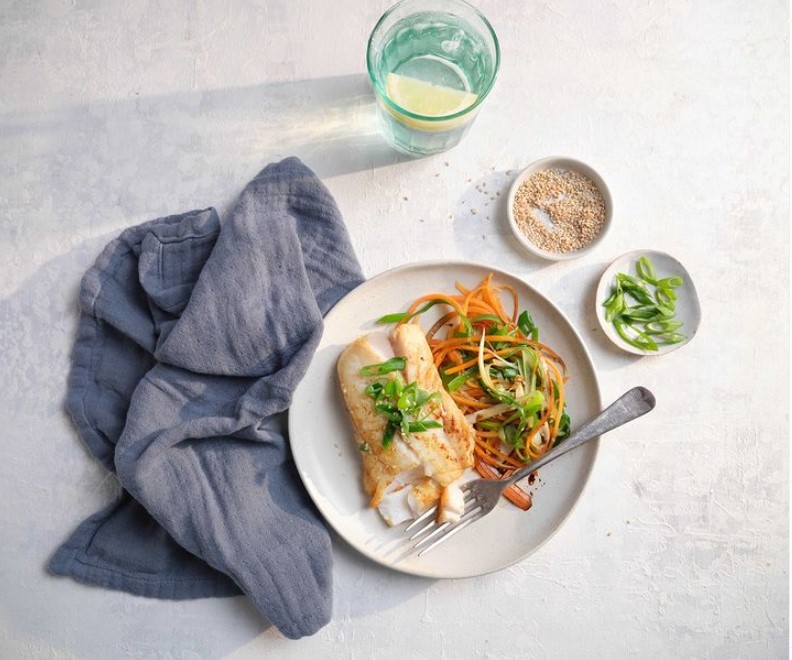

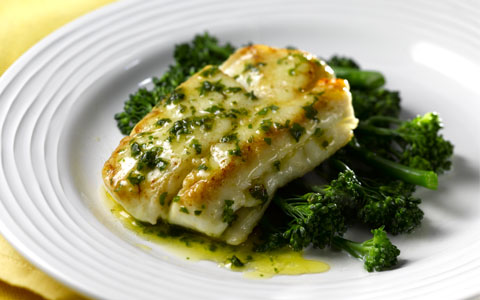
Heat the olive oil in a large frying pan and add the seasoned hake fillets, skin side down. Cook for a couple of minutes until the skin is just beginning to crisp, then add little knobs of butter to the pan around each hake fillet and cook for another couple of minutes until the skin is crisp.
Turn the hake fillets over and cook for another 3-4 minutes until cooked through. This will depend on the thickness of the fillets. Transfer to warmed plates while you make the sauce.
Add the rest of the butter to the frying pan and allow it to gently melt over a moderate heat. When it has melted, add a squeeze of lemon juice and the herbs, swirling to combine. Season to taste. Spoon this sauce over the hake fillets and serve with steamed broccoli and some sautéed new potatoes.
Above all be careful not to overcook the fish. To check, gently prod the thickest part of the fish with a small knife. If it is cooked, the flesh will look opaque and the flakes will separate easily. If it isn’t done yet, it will still have the translucent look for raw fish.
Other fish you could use: Whiting, haddock or trout fillets
Protein: 39g
Carbohydrates: 52g
Fat: 26g
Iron: 2.4mg
Energy: 644kcal
Yeo ValleyVerified account @yeovalley
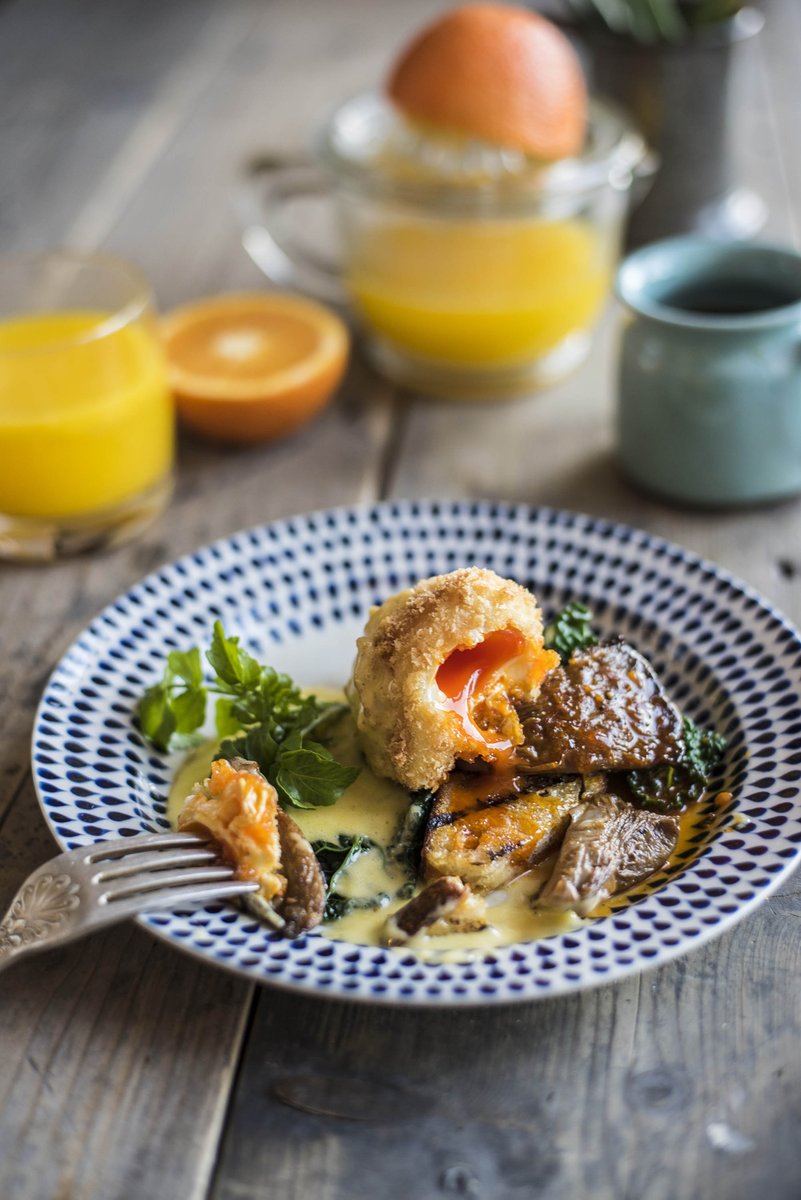
Brunching today? Why not try this recipe from the canteen – Wild Mushrooms on Sourdough with Crispy Poached Egg & Hollandaise. Believe us when we tell you, it’s a good’un… https://www.yeovalley.co.uk/recipes/recipe/somerset-wild-mushrooms-on-grilled-sourdough-with-crispy-poached-eggs-and-hollandaise-sauce/ …

Ingredients
Method
Neven Says: “This is a super-healthy dish packed full of omega-3. Sumac is made from the dried berries of a flowering plant that are ground to produce an acidic, reddish- purple powder that is very popular in the Middle East.
Place the couscous in a heatproof bowl and season well, then stir in 1 teaspoon of the oil. Pour over the boiling water, cover tightly with cling film and set aside.
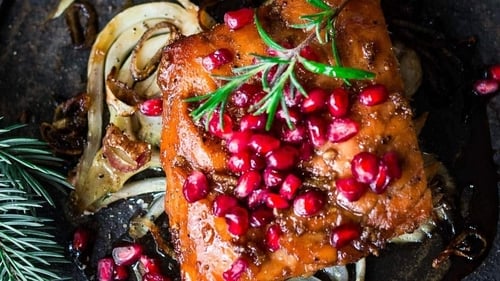
Heat the rest of the olive oil in a large non-stick frying pan over a medium to high heat. Put the rice flour in a shallow dish with the sumac and season generously with salt and pepper. Dust the salmon in the flour mixture, shaking off any excess. Add to the heated oil in the frying pan and cook for 2–3 minutes on each side, until crisp and golden.
Meanwhile, fluff up the couscous with a fork, then fold in the pumpkin seeds and flaxseeds with the lemon rind. At the last moment, roughly chop the watercress and toss it through the couscous with the pomegranate seeds.
Mix the yoghurt and harissa together in a small bowl and season to taste. Cover with cling film and chill until needed.
Arrange the crispy salmon on plates and add an extra light sprinkling of sumac. Add a small mound of the couscous, then drizzle over a little extra olive oil, if liked. Garnish with lemon wedges and add a spoonful of the harissa yoghurt to serve.

•


