
ballymaloecookeryschool
To celebrate St. Brigids Day – A Wellness course with Maria Walsh

January 13, 2026
Cabbage often—and unfairly—gets overlooked, with flashier veggies and protein-dense superfoods getting all the attention. But as far as nutritional food options go, the leafy green is pretty hard to beat. A staple in different cuisines (American coleslaw! Middle Eastern malfouf! Chinese suan la bai cai!), cabbage has been a longtime favorite amongst global chefs.
“Much of this stems from its versatility,” Woldy Reyes, chef and author of the cookbook In the Kusina: My Seasonal Filipino Cooking, tells Vogue. “We are seeing a growing trend of chefs utilizing it as a centerpiece, such as cabbage steaks, rather than as a side dish. The culinary appeal has never been stronger.”
“Its popularity stems from its ability to transform,” adds Tatiana Mora, chef of plant-based Michelin star restaurant Mita. “It can be eaten raw, fermented, steamed, roasted, or sautéed, consistently providing flavor, texture, and nutrition. I love it because it is a noble vegetable that grows easily, keeps well, and can be used almost entirely, making it perfect for a conscious and respectful approach to cooking.”
It’s accessible, easy to cook, and delicious. Here are all the reasons cabbage deserves a seat at your table (get it?) in 2026.
Cabbage is a leafy green that is part of the brassica plant family (which also includes broccoli, cauliflower, brussels sprouts, and kale), says Amy Shapiro, RD, registered dietitian and founder of Real Nutrition. It comes in several varieties, but the most common ones you’ll see are green, red (or purple), and savoy. What makes cabbage different from other leafy greens is its density and durability. “It’s heartier, stores longer, and holds up well to cooking, fermenting, and shredding,” Shapiro says. “Nutritionally, it shares many benefits with other cruciferous vegetables, but it’s often milder in flavor and more versatile across cuisines.”
Besides its versatility, one of the main benefits of cabbage is its many nutrients. Shapiro lists other main benefits of the leafy green:
Supports Gut Health
Shapiro says that, because cabbage contains fiber and other compounds that support digestion, eating this leafy green can benefit the gut bacteria and boost gut health.
Anti-Inflammatory Properties
Cabbage is also rich in antioxidants and phytonutrients that studies have shown can reduce inflammation, she says.
Boosts Heart Health
Along with fiber, cabbage has potassium, which supports healthy cholesterol levels and blood pressure. Cabbage also has vitamin K, which is essential for blood clotting (and bone health). Shapiro points to red cabbage in particular, which she says contains antioxidants called anthocyanins that studies have shown can improve brain and heart health.
Regulates Blood Sugar
Cabbage is low in calories and carbs while being high in fiber, which can help stabilize glucose levels in the body.
Boosts Immune System
Shapiro says that cabbage is rich in sulfur-containing compounds to help strengthen your immune system’s defences—and vitamin C, which studies have shown can provide antioxidant protection and support immune health.

By Dr. Tarique Naiyer Jamil in Internal Medicine
Mar 21, 2025
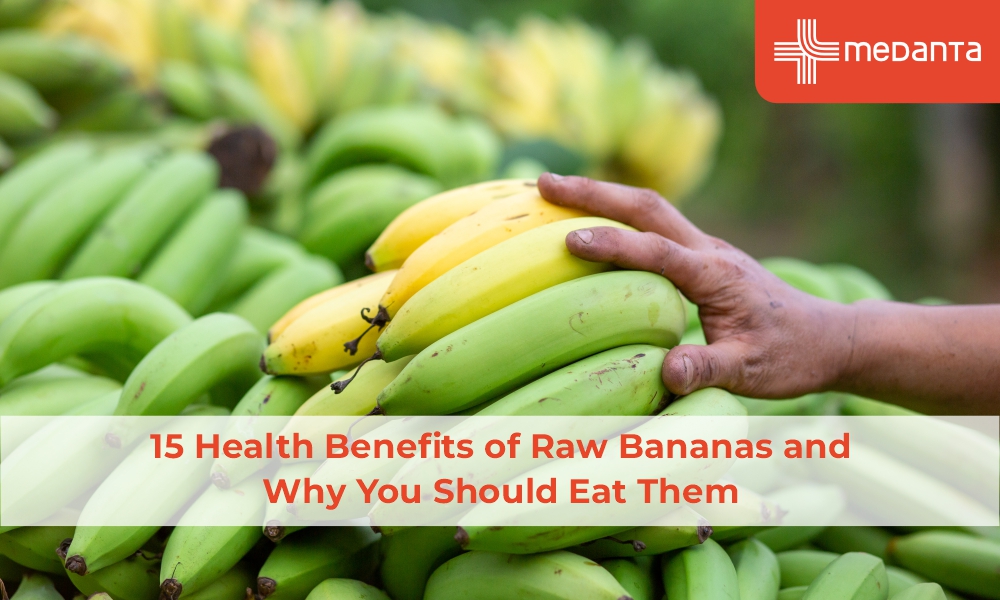
When you think of bananas, you probably imagine the ripe, sweet ones. But raw bananas—the unripe variety—are just as powerful when it comes to health benefits. Unlike their sweet friends, they’re packed with resistant starch, fibre, and essential nutrients that make them a game-changer for digestion, weight management, and overall health.
From supporting gut health to keeping blood sugar in check, the benefits of raw bananas are seriously underrated. In this blog, we’ll discuss the banana’s nutritional value, top health benefits, and the best ways to include it in your diet.
Raw bananas are merely unripe green bananas that are starchier, tougher, and less sweet than bananas when they are ripe. They’re popular in Indian, Thai, and Caribbean cooking, usually cooked into flavorful dishes, stir-fries, or even fried as chips.
What makes them special? It’s the amazing nutrients in raw bananas. The banana’s raw nutrition consists of:
With so many nutrients in raw bananas, it’s little wonder that the benefits of eating raw bananas translate to numerous areas of health.
Below are 15 awesome health benefits of raw bananas and why you should consume raw bananas daily:
One of the greatest benefits of raw bananas is that they enhance digestion. The resistant starch in raw bananas serves as a prebiotic, i.e., it provides the good bacteria in your stomach. These beneficial bacteria are responsible for food breakdown, nutrient absorption, and inhibiting bloating, gas, and constipation. [1] A proper gut microbiome also enhances immunity and inhibits digestive disorders like IBS (Irritable Bowel Syndrome).
When dieting for weight reduction, raw bananas are to your rescue. The fibre and resistant starch content of raw bananas keep you satiated for longer, doing away with unwanted snacking. As opposed to ripe bananas, which contain more sugar, raw bananas contain complex carbohydrates, which get digested slowly, ensuring constant metabolism. Raw bananas also suppress insulin surges, leading to fat storage.
For insulin-resistant individuals or diabetics, raw bananas are a smart food choice. The nutrients in raw bananas contain resistant starch, which does not break down the carbohydrates immediately. This results in a slow release of sugar into the bloodstream, thus avoiding sudden peaks and dumps. Eating them regularly enhances the sensitivity of insulin, allowing the body to control blood sugar levels naturally.
Raw bananas are rich in potassium, which is a mineral that assists in maintaining blood pressure. Potassium controls the body’s sodium to avoid high blood pressure and also lightens the workload of the heart. Raw banana nutrients also control healthy cholesterol levels by lowering LDL (bad cholesterol) and raising HDL (good cholesterol), lowering the risk of stroke and heart disease. [2]
If you have digestive problems, incorporating raw bananas into your diet can be magical. High fibre content ensures smooth digestion and reduces the risk of constipation. Meanwhile, their resistant starch behaves like a natural equaliser, calming the digestive tract and warding off diarrhoea and bloating. Additionally, they are rich in tannins, which possess gentle astringent characteristics that cure loose stools. [3]
Insulin sensitivity refers to how your cells absorb insulin and utilise glucose to produce energy. Insulin resistance is a primary cause of Type 2 diabetes. It has been found that raw bananas contain resistant starch, and consuming them makes one more insulin sensitive, thus adding them to the list as an ideal product for a diet-balanced diabetic life. [4] Regular consumption is said to fight insulin resistance and support the improved control of blood sugar levels.
Raw bananas are rich in magnesium, a mineral that promotes calcium absorption and bone density. Raw bananas are also beneficial for preventing osteoporosis and ensuring healthy bones during old age. Magnesium has the function of contracting and relaxing muscles and hence is required for bone and muscle health in general.
Inflammation is the cause of most chronic conditions, such as arthritis, heart disease, and even cancer. [5] Raw bananas are a storehouse of antioxidants and vitamin C, which fight oxidative stress and reduce inflammation in the body. Raw bananas protect the body from cell damage by fighting free radicals, slowing down ageing, and making the body healthier.
Raw bananas can also stimulate the brain. They contain vitamin B6, which is important for the synthesis of neurotransmitters such as serotonin and dopamine. These brain chemicals control mood, sleep, and thinking. Raw bananas can improve memory, focus, and overall mental health and cut the risk of neurological disorders. [6]

Among the main benefits of eating raw bananas is that a raw banana helps relieve diarrhoea effectively. Raw bananas have high levels of pectin and tannins that work to remove excess water content from the intestines, compacting loose motions. Their electrolytes are also lost and have to be restored in the process. This explains why raw bananas have been particularly advocated as an unprocessed, organic remedy to deal with diarrhoea according to customary medicinal practices.
Kidney stones occur when calcium and other minerals tend to deposit themselves in the kidneys. The presence of potassium in raw bananas serves to prevent that by ensuring excessive calcium is being removed through the urine rather than deposited and forming stones. The magnesium in them also serves to maintain healthy kidneys and curb the risk of urinary tract infections (UTIs).
Unlike energy-crushing candies, raw bananas are a long-lasting source of energy. Their slow-digesting complex carbohydrates deliver energy throughout the day. This is a perfect pre-workout food since it provides you with the energy you require without overdriving your blood sugar levels.
Raw bananas are beneficial for your skin as well! Antioxidants and vitamin C in raw bananas fight off free radicals, preventing premature ageing, keeping your skin shining and firm, and triggering skin elasticity and healing due to the production of collagen. Mashed raw bananas applied as a face pack can calm acne, redness, and dryness.
If you are getting muscle cramps or pain after exercising daily, raw bananas can be your resort. Raw bananas contain magnesium and potassium, which have a significant role in repairing muscles by inhibiting inflammation and cramps. Sports athletes and health-conscious people eat raw bananas to quicken recovery after exercise and enhance the functioning of muscles.
Raw bananas are a very good substitute for normal grains for individuals suffering from gluten intolerance or celiac disease. Raw bananas can be converted into gluten-free banana flour and can be consumed as an excellent wheat flour substitute while cooking. Raw bananas are thus a good and versatile source of sustenance for individuals seeking to do away with gluten intake yet achieve the taste of scrumptious and healthy foods.


Stick to clean, cold compresses, and avoid topical ointments
Between the ages of 4 months and 2 and a half years, a lot will change in your baby’s life. They’ll start talking. They’ll start walking. They’ll need their crib mattress lowered and maybe even move to a big-kid bed.
And in that time, they’ll go from toothless little infants to toddlers with a mouthful of chompers.
Yes, in about two years’ time, your baby will cut 20 teeth. So, you’ll soon be an expert in all things teething.
But for now, you probably have questions. And are hearing a lot of different advice.
Before you go online to order the latest and greatest in supposed teething relief products, know that some of the tips and products you see online or hear about from friends aren’t your best options. Safe, effective teething relief is probably already within your reach.
We talked with pediatrician Lisa Diard, MD, about what to expect when your baby is teething and recommendations for a few ways to help them get relief.
All babies are different. Some fly through teething without making much of a fuss about it. Others might show symptoms.
The important thing to know, Dr. Diard says, is that teething shouldn’t majorly affect your baby (or you).
“Discomfort from teething should be pretty mild,” she says. “And any symptoms your baby does show should only last a few days until the tooth erupts.”
Signs your baby is cutting a tooth include symptoms like:
Some people claim that fevers, diaper rash and sleeplessness are also signs of teething. But Dr. Diard — and the American Academy of Pediatrics — says those and other teething myths haven’t been confirmed by research. Rather than chalk those up to teething, investigate what’s going on.
No one wants to see their baby even mildly uncomfortable. They’re helpless tiny tykes, after all, and it’s your job to keep them safe and happy.
But teething babies are mouthy little things. They’re mini drool factories and may want to do nothing more than gnaw on everything they can. That’s totally normal, and it’s the best way to relieve their discomfort.
Dr. Diard suggests these relief options for teething babies:
If you’re up for it, allow your baby to nibble on your (clean!) fingers. Use your index finger to massage their gums where their tooth is coming in. They’ll appreciate the (literal) helping hand.
Try it frequently throughout the day, Dr. Diard suggests.
But really, make sure to wash your hands with soap and water before and after sticking them in your baby’s mouth. You don’t want to deal with a baby with a cold when they’re also in the midst of teething.
If you’re not up for the finger method (or if your fingers need a break), a cold washcloth can do the trick, too.
Wet a fresh, clean washcloth and stick it in the refrigerator for a bit. That’ll keep it nice and cold, without being too cold as to shock your baby’s sensitive gums.
“Chewing on a cool, wet cloth can help decrease inflammation along the gums,” Dr. Diard says.
Allow your baby to chew solo. Or help out by using the cloth to massage their gums for them.
Toys that are meant for teething can provide some relief for aching gums. Choose ones that are easy for tiny fists to grasp and provide the pressure needed to soothe sore gums. Of course, you’ll also want to avoid any choking risks, so stick with toys that are too big to be swallowed.
Some of these products are meant to be refrigerated for a cooling effect. But keep them out of the freezer.
“Frozen teething toys can make them too hard. They can also be so cold they hurt your baby’s gums,” Dr. Diard cautions. “Putting them in the fridge will be plenty cool to provide relief.”
If other measures aren’t doing the trick, a dose of pain relief medication may help.
“A day or two of Tylenol® (acetaminophen) is OK for babies who are old enough if they need a little extra pain relief,” Dr. Diard states. “You don’t want to use it longer than that without speaking to a children’s health care provider, like a pediatrician.”
If your baby needs a pain reliever for more than a day or two, something other than teething may be causing their pain.
Unless recommended by a healthcare professional, Tylenol shouldn’t be given to babies under 3 months old. Follow the dosing amounts and timeframes listed on the medication or as recommended by your provider. That will vary based on your baby’s age and weight.
Babies under 6 months of age shouldn’t take ibuprofen, unless directed by your healthcare professional.
You want to help your baby feel better, of course, but there are some products out there that can do more harm than good, Dr. Diard says. Use caution with these common teething remedies, or avoid them altogether.
Depending on your baby’s age and experience with solids, foods shouldn’t be your go-to for teething relief.
Babies under 9 months old may not know how to handle certain foods, so they can present a choking hazard. And a lot of those teething biscuits and cookies you’ll find won’t offer much in terms of nutrition.
“If you’re introducing solid foods at the same time as your baby is teething, cold, soft foods — like applesauce or bananas — can be good choices both in terms of nutrition and can soothe irritated gums,” Dr. Diard advises.
You’re better off avoiding those gel products for teething relief for a few reasons.
The U.S. Food and Drug Administration (FDA) warns that over-the-counter products containing benzocaine, for example, have been connected to the potentially fatal blood disorder methemoglobinemia.
And other ingredients in those products cause a numbing effect that can be dangerous in their own way.
Think about it: You rub numbing gel on your baby’s irritated gums. They immediately touch it with their tongue. Now the tip of their tongue is numb. That makes it easier to accidentally bite their tongue (OUCH!). It also makes it harder to move food around their mouth properly, which can cause choking.
Some people swear by teething necklaces with wood, amber, marble, silicone and other materials as an alternative treatment for teething discomfort. The makers claim some of these materials have pain-relieving properties that are absorbed by your baby’s skin to relieve teething symptoms.
But the American Academy of Pediatrics advises against them, saying, “The use of these necklaces is not supported by modern science.”
What’s more, beads and necklaces present a serious risk for choking and strangulation in babies and toddlers.
If you’re worried that teething is causing your baby pain or is keeping them from living their best baby life, talk with your children’s healthcare provider. They can help understand what’s causing your baby’s discomfort so you can find safe, effective relief.

I don’t know about you but I love my bed! And I firmly believe that a good night’s sleep can make you feel so good! Breathing, eating and sleeping are three of the most basic and essential functions we do as humans. But can food affect our sleep or does our sleep affect our food? The reality is that it is probably a bit of both…On average we need between 7-9 hours’ sleep per night with some people managing on less and others may need more. Lack of sleep can lead to irritability, fatigue and difficulty concentrating. However chronic poor sleep has been linked to obesity, diabetes and heart disease.
In general, research has found that eating in line with the Mediterranean or DASH diet, both of which promote fruits and vegetables, fiber rich foods and healthy mono-unsaturated and polyunsaturated fats tends to be associated with better quality sleep. Magnesium is a mineral that is reported to help with sleep regulation and is found in bananas, nuts, green vegetables, tofu and dairy. Melatonin is a micronutrient present in some foods but also a hormone that occurs naturally in the body and helps control sleep patterns. Melatonin, is found in tart cherry juice, eggs, nuts and dairy. Interestingly the tradition of hot milk before bed comes from Roman times… and milk contains both magnesium, melatonin and an amino acid called tryptophan which helps produce serotonin and melatonin.
Kiwifruit is another food that has been reported to have a positive impact on sleep duration and quality. In one four-week trial of adults with sleep problems, consumption of two kiwifruits per day one hour before bedtime significantly increased total sleep time and sleep efficiency. A potential reason for this is that they are a rich source of antioxidant and contain the hormone serotonin. Either way they are also great sources of vitamin C and great for keeping bowel movements regular.
Do you ever feel like you make poorer food choices when you’re tired? There may be good reason behind this. Sleep deprivation can cause a drop in Leptin levels (a hormone that signals fullness) and increases the hormone Ghrelin (hormone that stimulates appetite). This change in hormones can explain why you might eat more when missing sleep or why you tend to eat more without feeling full when you have had minimal sleep. US research from Cedar- Sinai Medical Centre also found that lack of sleep increased insulin resistance. So, we can see that regular good night sleep helps manage hormones, appetite and possible food choices.
Caffeine and alcohol can negatively affect falling asleep and sleep quality so best to keep within healthy limits if struggling with sleep. Maybe keep the caffeine to before midday!
Some sleepy bedtime snack ideas!

By Dr. Tarique Naiyer Jamil in Internal Medicine
Mar 21, 2025
When you think of bananas, you probably imagine the ripe, sweet ones. But raw bananas—the unripe variety—are just as powerful when it comes to health benefits. Unlike their sweet friends, they’re packed with resistant starch, fibre, and essential nutrients that make them a game-changer for digestion, weight management, and overall health.
From supporting gut health to keeping blood sugar in check, the benefits of raw bananas are seriously underrated. In this blog, we’ll discuss the banana’s nutritional value, top health benefits, and the best ways to include it in your diet.
Raw bananas are merely unripe green bananas that are starchier, tougher, and less sweet than bananas when they are ripe. They’re popular in Indian, Thai, and Caribbean cooking, usually cooked into flavorful dishes, stir-fries, or even fried as chips.
What makes them special? It’s the amazing nutrients in raw bananas. The banana’s raw nutrition consists of:
With so many nutrients in raw bananas, it’s little wonder that the benefits of eating raw bananas translate to numerous areas of health.
Below are 15 awesome health benefits of raw bananas and why you should consume raw bananas daily:
One of the greatest benefits of raw bananas is that they enhance digestion. The resistant starch in raw bananas serves as a prebiotic, i.e., it provides the good bacteria in your stomach. These beneficial bacteria are responsible for food breakdown, nutrient absorption, and inhibiting bloating, gas, and constipation. [1] A proper gut microbiome also enhances immunity and inhibits digestive disorders like IBS (Irritable Bowel Syndrome).
When dieting for weight reduction, raw bananas are to your rescue. The fibre and resistant starch content of raw bananas keep you satiated for longer, doing away with unwanted snacking. As opposed to ripe bananas, which contain more sugar, raw bananas contain complex carbohydrates, which get digested slowly, ensuring constant metabolism. Raw bananas also suppress insulin surges, leading to fat storage.
For insulin-resistant individuals or diabetics, raw bananas are a smart food choice. The nutrients in raw bananas contain resistant starch, which does not break down the carbohydrates immediately. This results in a slow release of sugar into the bloodstream, thus avoiding sudden peaks and dumps. Eating them regularly enhances the sensitivity of insulin, allowing the body to control blood sugar levels naturally.
Raw bananas are rich in potassium, which is a mineral that assists in maintaining blood pressure. Potassium controls the body’s sodium to avoid high blood pressure and also lightens the workload of the heart. Raw banana nutrients also control healthy cholesterol levels by lowering LDL (bad cholesterol) and raising HDL (good cholesterol), lowering the risk of stroke and heart disease. [2]
If you have digestive problems, incorporating raw bananas into your diet can be magical. High fibre content ensures smooth digestion and reduces the risk of constipation. Meanwhile, their resistant starch behaves like a natural equaliser, calming the digestive tract and warding off diarrhoea and bloating. Additionally, they are rich in tannins, which possess gentle astringent characteristics that cure loose stools. [3]
Insulin sensitivity refers to how your cells absorb insulin and utilise glucose to produce energy. Insulin resistance is a primary cause of Type 2 diabetes. It has been found that raw bananas contain resistant starch, and consuming them makes one more insulin sensitive, thus adding them to the list as an ideal product for a diet-balanced diabetic life. [4] Regular consumption is said to fight insulin resistance and support the improved control of blood sugar levels.
Raw bananas are rich in magnesium, a mineral that promotes calcium absorption and bone density. Raw bananas are also beneficial for preventing osteoporosis and ensuring healthy bones during old age. Magnesium has the function of contracting and relaxing muscles and hence is required for bone and muscle health in general.
Inflammation is the cause of most chronic conditions, such as arthritis, heart disease, and even cancer. [5] Raw bananas are a storehouse of antioxidants and vitamin C, which fight oxidative stress and reduce inflammation in the body. Raw bananas protect the body from cell damage by fighting free radicals, slowing down ageing, and making the body healthier.
Raw bananas can also stimulate the brain. They contain vitamin B6, which is important for the synthesis of neurotransmitters such as serotonin and dopamine. These brain chemicals control mood, sleep, and thinking. Raw bananas can improve memory, focus, and overall mental health and cut the risk of neurological disorders. [6]

Among the main benefits of eating raw bananas is that a raw banana helps relieve diarrhoea effectively. Raw bananas have high levels of pectin and tannins that work to remove excess water content from the intestines, compacting loose motions. Their electrolytes are also lost and have to be restored in the process. This explains why raw bananas have been particularly advocated as an unprocessed, organic remedy to deal with diarrhoea according to customary medicinal practices.
Kidney stones occur when calcium and other minerals tend to deposit themselves in the kidneys. The presence of potassium in raw bananas serves to prevent that by ensuring excessive calcium is being removed through the urine rather than deposited and forming stones. The magnesium in them also serves to maintain healthy kidneys and curb the risk of urinary tract infections (UTIs).
Unlike energy-crushing candies, raw bananas are a long-lasting source of energy. Their slow-digesting complex carbohydrates deliver energy throughout the day. This is a perfect pre-workout food since it provides you with the energy you require without overdriving your blood sugar levels.
Raw bananas are beneficial for your skin as well! Antioxidants and vitamin C in raw bananas fight off free radicals, preventing premature ageing, keeping your skin shining and firm, and triggering skin elasticity and healing due to the production of collagen. Mashed raw bananas applied as a face pack can calm acne, redness, and dryness.
If you are getting muscle cramps or pain after exercising daily, raw bananas can be your resort. Raw bananas contain magnesium and potassium, which have a significant role in repairing muscles by inhibiting inflammation and cramps. Sports athletes and health-conscious people eat raw bananas to quicken recovery after exercise and enhance the functioning of muscles.
Raw bananas are a very good substitute for normal grains for individuals suffering from gluten intolerance or celiac disease. Raw bananas can be converted into gluten-free banana flour and can be consumed as an excellent wheat flour substitute while cooking. Raw bananas are thus a good and versatile source of sustenance for individuals seeking to do away with gluten intake yet achieve the taste of scrumptious and healthy foods.

I don’t know about you but I love my bed! And I firmly believe that a good night’s sleep can make you feel so good! Breathing, eating and sleeping are three of the most basic and essential functions we do as humans. But can food affect our sleep or does our sleep affect our food? The reality is that it is probably a bit of both…On average we need between 7-9 hours’ sleep per night with some people managing on less and others may need more. Lack of sleep can lead to irritability, fatigue and difficulty concentrating. However chronic poor sleep has been linked to obesity, diabetes and heart disease.
In general, research has found that eating in line with the Mediterranean or DASH diet, both of which promote fruits and vegetables, fiber rich foods and healthy mono-unsaturated and polyunsaturated fats tends to be associated with better quality sleep. Magnesium is a mineral that is reported to help with sleep regulation and is found in bananas, nuts, green vegetables, tofu and dairy. Melatonin is a micronutrient present in some foods but also a hormone that occurs naturally in the body and helps control sleep patterns. Melatonin, is found in tart cherry juice, eggs, nuts and dairy. Interestingly the tradition of hot milk before bed comes from Roman times… and milk contains both magnesium, melatonin and an amino acid called tryptophan which helps produce serotonin and melatonin.
Kiwifruit is another food that has been reported to have a positive impact on sleep duration and quality. In one four-week trial of adults with sleep problems, consumption of two kiwifruits per day one hour before bedtime significantly increased total sleep time and sleep efficiency. A potential reason for this is that they are a rich source of antioxidant and contain the hormone serotonin. Either way they are also great sources of vitamin C and great for keeping bowel movements regular.
Do you ever feel like you make poorer food choices when you’re tired? There may be good reason behind this. Sleep deprivation can cause a drop in Leptin levels (a hormone that signals fullness) and increases the hormone Ghrelin (hormone that stimulates appetite). This change in hormones can explain why you might eat more when missing sleep or why you tend to eat more without feeling full when you have had minimal sleep. US research from Cedar- Sinai Medical Centre also found that lack of sleep increased insulin resistance. So, we can see that regular good night sleep helps manage hormones, appetite and possible food choices.
Caffeine and alcohol can negatively affect falling asleep and sleep quality so best to keep within healthy limits if struggling with sleep. Maybe keep the caffeine to before midday!
Some sleepy bedtime snack ideas!

By Dr. Tarique Naiyer Jamil in Internal Medicine
Mar 21, 2025
When you think of bananas, you probably imagine the ripe, sweet ones. But raw bananas—the unripe variety—are just as powerful when it comes to health benefits. Unlike their sweet friends, they’re packed with resistant starch, fibre, and essential nutrients that make them a game-changer for digestion, weight management, and overall health.
From supporting gut health to keeping blood sugar in check, the benefits of raw bananas are seriously underrated. In this blog, we’ll discuss the banana’s nutritional value, top health benefits, and the best ways to include it in your diet.
Raw bananas are merely unripe green bananas that are starchier, tougher, and less sweet than bananas when they are ripe. They’re popular in Indian, Thai, and Caribbean cooking, usually cooked into flavorful dishes, stir-fries, or even fried as chips.
What makes them special? It’s the amazing nutrients in raw bananas. The banana’s raw nutrition consists of:
With so many nutrients in raw bananas, it’s little wonder that the benefits of eating raw bananas translate to numerous areas of health.
Below are 15 awesome health benefits of raw bananas and why you should consume raw bananas daily:
One of the greatest benefits of raw bananas is that they enhance digestion. The resistant starch in raw bananas serves as a prebiotic, i.e., it provides the good bacteria in your stomach. These beneficial bacteria are responsible for food breakdown, nutrient absorption, and inhibiting bloating, gas, and constipation. [1] A proper gut microbiome also enhances immunity and inhibits digestive disorders like IBS (Irritable Bowel Syndrome).
When dieting for weight reduction, raw bananas are to your rescue. The fibre and resistant starch content of raw bananas keep you satiated for longer, doing away with unwanted snacking. As opposed to ripe bananas, which contain more sugar, raw bananas contain complex carbohydrates, which get digested slowly, ensuring constant metabolism. Raw bananas also suppress insulin surges, leading to fat storage.
For insulin-resistant individuals or diabetics, raw bananas are a smart food choice. The nutrients in raw bananas contain resistant starch, which does not break down the carbohydrates immediately. This results in a slow release of sugar into the bloodstream, thus avoiding sudden peaks and dumps. Eating them regularly enhances the sensitivity of insulin, allowing the body to control blood sugar levels naturally.
Raw bananas are rich in potassium, which is a mineral that assists in maintaining blood pressure. Potassium controls the body’s sodium to avoid high blood pressure and also lightens the workload of the heart. Raw banana nutrients also control healthy cholesterol levels by lowering LDL (bad cholesterol) and raising HDL (good cholesterol), lowering the risk of stroke and heart disease. [2]
If you have digestive problems, incorporating raw bananas into your diet can be magical. High fibre content ensures smooth digestion and reduces the risk of constipation. Meanwhile, their resistant starch behaves like a natural equaliser, calming the digestive tract and warding off diarrhoea and bloating. Additionally, they are rich in tannins, which possess gentle astringent characteristics that cure loose stools. [3]
Insulin sensitivity refers to how your cells absorb insulin and utilise glucose to produce energy. Insulin resistance is a primary cause of Type 2 diabetes. It has been found that raw bananas contain resistant starch, and consuming them makes one more insulin sensitive, thus adding them to the list as an ideal product for a diet-balanced diabetic life. [4] Regular consumption is said to fight insulin resistance and support the improved control of blood sugar levels.
Raw bananas are rich in magnesium, a mineral that promotes calcium absorption and bone density. Raw bananas are also beneficial for preventing osteoporosis and ensuring healthy bones during old age. Magnesium has the function of contracting and relaxing muscles and hence is required for bone and muscle health in general.
Inflammation is the cause of most chronic conditions, such as arthritis, heart disease, and even cancer. [5] Raw bananas are a storehouse of antioxidants and vitamin C, which fight oxidative stress and reduce inflammation in the body. Raw bananas protect the body from cell damage by fighting free radicals, slowing down ageing, and making the body healthier.
Raw bananas can also stimulate the brain. They contain vitamin B6, which is important for the synthesis of neurotransmitters such as serotonin and dopamine. These brain chemicals control mood, sleep, and thinking. Raw bananas can improve memory, focus, and overall mental health and cut the risk of neurological disorders. [6]

Among the main benefits of eating raw bananas is that a raw banana helps relieve diarrhoea effectively. Raw bananas have high levels of pectin and tannins that work to remove excess water content from the intestines, compacting loose motions. Their electrolytes are also lost and have to be restored in the process. This explains why raw bananas have been particularly advocated as an unprocessed, organic remedy to deal with diarrhoea according to customary medicinal practices.
Kidney stones occur when calcium and other minerals tend to deposit themselves in the kidneys. The presence of potassium in raw bananas serves to prevent that by ensuring excessive calcium is being removed through the urine rather than deposited and forming stones. The magnesium in them also serves to maintain healthy kidneys and curb the risk of urinary tract infections (UTIs).
Unlike energy-crushing candies, raw bananas are a long-lasting source of energy. Their slow-digesting complex carbohydrates deliver energy throughout the day. This is a perfect pre-workout food since it provides you with the energy you require without overdriving your blood sugar levels.
Raw bananas are beneficial for your skin as well! Antioxidants and vitamin C in raw bananas fight off free radicals, preventing premature ageing, keeping your skin shining and firm, and triggering skin elasticity and healing due to the production of collagen. Mashed raw bananas applied as a face pack can calm acne, redness, and dryness.
If you are getting muscle cramps or pain after exercising daily, raw bananas can be your resort. Raw bananas contain magnesium and potassium, which have a significant role in repairing muscles by inhibiting inflammation and cramps. Sports athletes and health-conscious people eat raw bananas to quicken recovery after exercise and enhance the functioning of muscles.
Raw bananas are a very good substitute for normal grains for individuals suffering from gluten intolerance or celiac disease. Raw bananas can be converted into gluten-free banana flour and can be consumed as an excellent wheat flour substitute while cooking. Raw bananas are thus a good and versatile source of sustenance for individuals seeking to do away with gluten intake yet achieve the taste of scrumptious and healthy foods.

By Dr. Tarique Naiyer Jamil in Internal Medicine
Mar 21, 2025
When you think of bananas, you probably imagine the ripe, sweet ones. But raw bananas—the unripe variety—are just as powerful when it comes to health benefits. Unlike their sweet friends, they’re packed with resistant starch, fibre, and essential nutrients that make them a game-changer for digestion, weight management, and overall health.
From supporting gut health to keeping blood sugar in check, the benefits of raw bananas are seriously underrated. In this blog, we’ll discuss the banana’s nutritional value, top health benefits, and the best ways to include it in your diet.
Raw bananas are merely unripe green bananas that are starchier, tougher, and less sweet than bananas when they are ripe. They’re popular in Indian, Thai, and Caribbean cooking, usually cooked into flavorful dishes, stir-fries, or even fried as chips.
What makes them special? It’s the amazing nutrients in raw bananas. The banana’s raw nutrition consists of:
With so many nutrients in raw bananas, it’s little wonder that the benefits of eating raw bananas translate to numerous areas of health.
Below are 15 awesome health benefits of raw bananas and why you should consume raw bananas daily:
One of the greatest benefits of raw bananas is that they enhance digestion. The resistant starch in raw bananas serves as a prebiotic, i.e., it provides the good bacteria in your stomach. These beneficial bacteria are responsible for food breakdown, nutrient absorption, and inhibiting bloating, gas, and constipation. [1] A proper gut microbiome also enhances immunity and inhibits digestive disorders like IBS (Irritable Bowel Syndrome).
When dieting for weight reduction, raw bananas are to your rescue. The fibre and resistant starch content of raw bananas keep you satiated for longer, doing away with unwanted snacking. As opposed to ripe bananas, which contain more sugar, raw bananas contain complex carbohydrates, which get digested slowly, ensuring constant metabolism. Raw bananas also suppress insulin surges, leading to fat storage.
For insulin-resistant individuals or diabetics, raw bananas are a smart food choice. The nutrients in raw bananas contain resistant starch, which does not break down the carbohydrates immediately. This results in a slow release of sugar into the bloodstream, thus avoiding sudden peaks and dumps. Eating them regularly enhances the sensitivity of insulin, allowing the body to control blood sugar levels naturally.
Raw bananas are rich in potassium, which is a mineral that assists in maintaining blood pressure. Potassium controls the body’s sodium to avoid high blood pressure and also lightens the workload of the heart. Raw banana nutrients also control healthy cholesterol levels by lowering LDL (bad cholesterol) and raising HDL (good cholesterol), lowering the risk of stroke and heart disease. [2]
If you have digestive problems, incorporating raw bananas into your diet can be magical. High fibre content ensures smooth digestion and reduces the risk of constipation. Meanwhile, their resistant starch behaves like a natural equaliser, calming the digestive tract and warding off diarrhoea and bloating. Additionally, they are rich in tannins, which possess gentle astringent characteristics that cure loose stools. [3]
Insulin sensitivity refers to how your cells absorb insulin and utilise glucose to produce energy. Insulin resistance is a primary cause of Type 2 diabetes. It has been found that raw bananas contain resistant starch, and consuming them makes one more insulin sensitive, thus adding them to the list as an ideal product for a diet-balanced diabetic life. [4] Regular consumption is said to fight insulin resistance and support the improved control of blood sugar levels.
Raw bananas are rich in magnesium, a mineral that promotes calcium absorption and bone density. Raw bananas are also beneficial for preventing osteoporosis and ensuring healthy bones during old age. Magnesium has the function of contracting and relaxing muscles and hence is required for bone and muscle health in general.
Inflammation is the cause of most chronic conditions, such as arthritis, heart disease, and even cancer. [5] Raw bananas are a storehouse of antioxidants and vitamin C, which fight oxidative stress and reduce inflammation in the body. Raw bananas protect the body from cell damage by fighting free radicals, slowing down ageing, and making the body healthier.
Raw bananas can also stimulate the brain. They contain vitamin B6, which is important for the synthesis of neurotransmitters such as serotonin and dopamine. These brain chemicals control mood, sleep, and thinking. Raw bananas can improve memory, focus, and overall mental health and cut the risk of neurological disorders. [6]

Among the main benefits of eating raw bananas is that a raw banana helps relieve diarrhoea effectively. Raw bananas have high levels of pectin and tannins that work to remove excess water content from the intestines, compacting loose motions. Their electrolytes are also lost and have to be restored in the process. This explains why raw bananas have been particularly advocated as an unprocessed, organic remedy to deal with diarrhoea according to customary medicinal practices.
Kidney stones occur when calcium and other minerals tend to deposit themselves in the kidneys. The presence of potassium in raw bananas serves to prevent that by ensuring excessive calcium is being removed through the urine rather than deposited and forming stones. The magnesium in them also serves to maintain healthy kidneys and curb the risk of urinary tract infections (UTIs).
Unlike energy-crushing candies, raw bananas are a long-lasting source of energy. Their slow-digesting complex carbohydrates deliver energy throughout the day. This is a perfect pre-workout food since it provides you with the energy you require without overdriving your blood sugar levels.
Raw bananas are beneficial for your skin as well! Antioxidants and vitamin C in raw bananas fight off free radicals, preventing premature ageing, keeping your skin shining and firm, and triggering skin elasticity and healing due to the production of collagen. Mashed raw bananas applied as a face pack can calm acne, redness, and dryness.
If you are getting muscle cramps or pain after exercising daily, raw bananas can be your resort. Raw bananas contain magnesium and potassium, which have a significant role in repairing muscles by inhibiting inflammation and cramps. Sports athletes and health-conscious people eat raw bananas to quicken recovery after exercise and enhance the functioning of muscles.
Raw bananas are a very good substitute for normal grains for individuals suffering from gluten intolerance or celiac disease. Raw bananas can be converted into gluten-free banana flour and can be consumed as an excellent wheat flour substitute while cooking. Raw bananas are thus a good and versatile source of sustenance for individuals seeking to do away with gluten intake yet achieve the taste of scrumptious and healthy foods.

By Dr. Tarique Naiyer Jamil in Internal Medicine
Mar 21, 2025
When you think of bananas, you probably imagine the ripe, sweet ones. But raw bananas—the unripe variety—are just as powerful when it comes to health benefits. Unlike their sweet friends, they’re packed with resistant starch, fibre, and essential nutrients that make them a game-changer for digestion, weight management, and overall health.
From supporting gut health to keeping blood sugar in check, the benefits of raw bananas are seriously underrated. In this blog, we’ll discuss the banana’s nutritional value, top health benefits, and the best ways to include it in your diet.
Raw bananas are merely unripe green bananas that are starchier, tougher, and less sweet than bananas when they are ripe. They’re popular in Indian, Thai, and Caribbean cooking, usually cooked into flavorful dishes, stir-fries, or even fried as chips.
What makes them special? It’s the amazing nutrients in raw bananas. The banana’s raw nutrition consists of:
With so many nutrients in raw bananas, it’s little wonder that the benefits of eating raw bananas translate to numerous areas of health.
Below are 15 awesome health benefits of raw bananas and why you should consume raw bananas daily:
One of the greatest benefits of raw bananas is that they enhance digestion. The resistant starch in raw bananas serves as a prebiotic, i.e., it provides the good bacteria in your stomach. These beneficial bacteria are responsible for food breakdown, nutrient absorption, and inhibiting bloating, gas, and constipation. [1] A proper gut microbiome also enhances immunity and inhibits digestive disorders like IBS (Irritable Bowel Syndrome).
When dieting for weight reduction, raw bananas are to your rescue. The fibre and resistant starch content of raw bananas keep you satiated for longer, doing away with unwanted snacking. As opposed to ripe bananas, which contain more sugar, raw bananas contain complex carbohydrates, which get digested slowly, ensuring constant metabolism. Raw bananas also suppress insulin surges, leading to fat storage.
For insulin-resistant individuals or diabetics, raw bananas are a smart food choice. The nutrients in raw bananas contain resistant starch, which does not break down the carbohydrates immediately. This results in a slow release of sugar into the bloodstream, thus avoiding sudden peaks and dumps. Eating them regularly enhances the sensitivity of insulin, allowing the body to control blood sugar levels naturally.
Raw bananas are rich in potassium, which is a mineral that assists in maintaining blood pressure. Potassium controls the body’s sodium to avoid high blood pressure and also lightens the workload of the heart. Raw banana nutrients also control healthy cholesterol levels by lowering LDL (bad cholesterol) and raising HDL (good cholesterol), lowering the risk of stroke and heart disease. [2]
If you have digestive problems, incorporating raw bananas into your diet can be magical. High fibre content ensures smooth digestion and reduces the risk of constipation. Meanwhile, their resistant starch behaves like a natural equaliser, calming the digestive tract and warding off diarrhoea and bloating. Additionally, they are rich in tannins, which possess gentle astringent characteristics that cure loose stools. [3]
Insulin sensitivity refers to how your cells absorb insulin and utilise glucose to produce energy. Insulin resistance is a primary cause of Type 2 diabetes. It has been found that raw bananas contain resistant starch, and consuming them makes one more insulin sensitive, thus adding them to the list as an ideal product for a diet-balanced diabetic life. [4] Regular consumption is said to fight insulin resistance and support the improved control of blood sugar levels.
Raw bananas are rich in magnesium, a mineral that promotes calcium absorption and bone density. Raw bananas are also beneficial for preventing osteoporosis and ensuring healthy bones during old age. Magnesium has the function of contracting and relaxing muscles and hence is required for bone and muscle health in general.
Inflammation is the cause of most chronic conditions, such as arthritis, heart disease, and even cancer. [5] Raw bananas are a storehouse of antioxidants and vitamin C, which fight oxidative stress and reduce inflammation in the body. Raw bananas protect the body from cell damage by fighting free radicals, slowing down ageing, and making the body healthier.
Raw bananas can also stimulate the brain. They contain vitamin B6, which is important for the synthesis of neurotransmitters such as serotonin and dopamine. These brain chemicals control mood, sleep, and thinking. Raw bananas can improve memory, focus, and overall mental health and cut the risk of neurological disorders. [6]

Among the main benefits of eating raw bananas is that a raw banana helps relieve diarrhoea effectively. Raw bananas have high levels of pectin and tannins that work to remove excess water content from the intestines, compacting loose motions. Their electrolytes are also lost and have to be restored in the process. This explains why raw bananas have been particularly advocated as an unprocessed, organic remedy to deal with diarrhoea according to customary medicinal practices.
Kidney stones occur when calcium and other minerals tend to deposit themselves in the kidneys. The presence of potassium in raw bananas serves to prevent that by ensuring excessive calcium is being removed through the urine rather than deposited and forming stones. The magnesium in them also serves to maintain healthy kidneys and curb the risk of urinary tract infections (UTIs).
Unlike energy-crushing candies, raw bananas are a long-lasting source of energy. Their slow-digesting complex carbohydrates deliver energy throughout the day. This is a perfect pre-workout food since it provides you with the energy you require without overdriving your blood sugar levels.
Raw bananas are beneficial for your skin as well! Antioxidants and vitamin C in raw bananas fight off free radicals, preventing premature ageing, keeping your skin shining and firm, and triggering skin elasticity and healing due to the production of collagen. Mashed raw bananas applied as a face pack can calm acne, redness, and dryness.
If you are getting muscle cramps or pain after exercising daily, raw bananas can be your resort. Raw bananas contain magnesium and potassium, which have a significant role in repairing muscles by inhibiting inflammation and cramps. Sports athletes and health-conscious people eat raw bananas to quicken recovery after exercise and enhance the functioning of muscles.
Raw bananas are a very good substitute for normal grains for individuals suffering from gluten intolerance or celiac disease. Raw bananas can be converted into gluten-free banana flour and can be consumed as an excellent wheat flour substitute while cooking. Raw bananas are thus a good and versatile source of sustenance for individuals seeking to do away with gluten intake yet achieve the taste of scrumptious and healthy foods.