You need to make these Christmas Cheesy Potato Stacks from @babyledfeeding 🤤 They are so good and also perfectly safe and soft enough for little babies doing baby led weaning.
Makes 24 Mini Potato Stacks Prep 15 mins Cook time 30 mins
1 kg baby potatoes 2 cloves garlic 125ml (1/2 cup) fresh cream Small handful grated gruyere cheese (plus an extra 3 tbsp) Small handful grated mozzarella 3-4 sprigs thyme leaves finely chopped Small bunch parsley leaves finely chopped 1 tsp onion powder
To serve Extra finely chopped herbs Black pepper to season
Preheat oven to 180ºC.
Thinly slice the potatoes and set aside.
Add the remaining ingredients to a bowl, leaving aside 3 tbsp of the gruyere cheese. Stir well, then add in the sliced potatoes and stir until they are fully coated. You may have to use your hands to separate the slices.
Stack the potatoes into a mini muffin tin until they are packed to the top.
Bake in the oven for 25 minutes, then remove from the oven and, top with a little sprinkle of the extra cheese. Return to the oven and bake for an additional 10 minutes until the top is golden brown. Remove from the oven and leave to cool slightly as this keeps the potato slices together.
Serve with a extra herbs and a sprinkle of fresh pepper.
Watch our Simply Better brand ambassador @nevenmaguire prepare this delicious Irish Strawberry & Lemon Tart using our new Simply Better Irish King Strawberries from Clarke’s Fresh Fruit. Find the full recipe below:
Ingredients (Serves 8) 500ml Simply Better Single Source Irish Jersey Cream 1 Jar Simply Better Sicilian Lemon Curd 250g Simply Better Irish King Strawberries, sliced 50g Pistachios For the Sweet Shortcrust Pastry 175g Plain Flour 100g Butter, diced and chilled 50g Caster Sugar Pinch of Salt 1 Simply Better Free Range Corn Fed Egg ½ Tbsp. Simply Better Organic Irish Jersey Milk Zest of ½ Lemon
Method 1. To make the pastry, place the flour, butter, sugar and salt into a food processor and blend for 20 seconds. Add the egg, milk and lemon zest and blend again just until the pastry comes together – do not overwork the dough or the pastry will be tough. Wrap in cling film and chill for 1 hour. 2. Preheat the oven to 180°C (350°F/Gas Mark 4). 3. Roll the pastry out thinly on a lightly floured work surface. Transfer the pastry to a 23cm (9in) fluted loose bottomed flat tin ensuring the pastry is pushed into the edges of the tin. Transfer to the freezer for 10 minutes to firm up. 4. Remove the tart tin from the freezer. Line the pastry with baking parchment and fill with baking beans or rice. Bake for about 15 minutes or until the pastry is firm, then remove the beans or rice and cook for about 5 minutes more, until golden brown. Remove from the oven and allow to cool completely. 5. Whip the jersey cream in a bowl until you achieve soft peaks then fold in the lemon curd. Pour the lemon cream into the cooled pastry case. Arrange the sliced strawberries on top and scatter over the pistachio nuts. Keep chilled until ready to serve.
This is a Japanese tear-and-share loaf of bread with the most wonderful pillowy soft texture. It’s inspired by the Yudane and Tangzhong method where a little bit of flour and water or milk (both in this case) are cooked together to make a white sauce before mixing in the remaining ingredients. This method pre-gelatinises the starch in the flour allowing it to absorb more liquid, giving you a super-light loaf that stays fresh for longer as it retains the moisture.
It also is divine with cinnamon, cardamom,dried fruit and/or candied peel added as a sweet treat.
Here’s the recipe 👇🏽 below in Comments in 2 parts! Happy baking 🧡
This bread can be made so easily using a Thermomix @thermomixukandireland too!Edited · 3h
rachelallencooksVerifiedThis quantity will make one 23 cm tear-and-share loaf.
50g water 50g milk 15g strong white flour
375g strong white flour 15g milk powder 25g caster sugar 1 teaspoon salt 115g milk 1 egg, beaten 25g fresh yeast or 12g dried yeast 50g butter, melted
Pour the water and the milk into a small saucepan and bring to the boil. Add in the 15g of flour & cook, whisking all the time, over the heat for a couple of minutes until the liquid has thickened to a white sauce. Tip the white sauce into a bowl & cool. Place the 375g of strong white flour in a mixing bowl, or the bowl of an electric food mixer (with the dough hook attached) ) with the milk powder, the sugar & the salt, & mix. Now place the milk in a separate bowl & add in the beaten egg, the yeast,the melted butter & the white sauce. Stir then pour all of this liquid into the dry ingredients & mix to a dough. Knead for 8-10 minutes by hand or in the machine until you have a smooth and almost springy dough, don’t add flour while you’re kneading, the dough is supposed to be slightly sticky. When I’m using a stand mixer for this I scrape down the sides of the bowl a couple of times during kneading. When the dough has been kneaded enough it will be smooth on the outside. Press it with a floured finger and the dent that you make with your finger should spring back a little bit. Place the dough into a bowl that’s large enough to take the dough when doubled in size (or leave it in the stand mixer bowl) & cover the bowl with a clean tea towel or a plate. Place it somewhere warm, not above 45’C, or just standing on the counter in your kitchen and allow the dough to double in size, this may take 2 hours. If you wish you can place the covered bowl of dough in the fridge overnight. When the dough has doubled in size, using a floured fist, punch the dough down to knock it back then knead it for just 1 minute. Brush a 23cm spring-form tin with melted butter, then dust with flour. Divide the dough into 8 equal pieces, each weighing about 90g. Keep all dough covered with a clean tea towel while you work with one ball of dough. On a very lightly floured work surface, place one ball of dough.2 likesReply
rachelallencooksVerifiedOn a very lightly floured work surface, place one ball of dough. Fold the edges, all the way round, into the centre of the ball of dough, squashing it down in the centre as you go. Turn the ball over so that the folded side is on the underside and the smooth side is on top. Roll the ball gently under the palm of your hand to make a round roll then place into the prepared tin. Repeat with all the other balls of dough so that you end up with 7 around the sides, spaced apart, and one ball in the centre. Now cover with the tea towel again and place on the worktop or somewhere a little warmer, again not above 45’C , and allow to rise again until almost doubled in size, about 35-45 minutes. Preheat an oven to 200’C. The dough is ready when you make a little dent with a floured finger and it doesn’t spring back. Also, the balls of dough should have joined together at this stage. Whisk the egg with a pinch of salt and brush very gently over the top of the risen bread. Place the bread in the lower part of the preheated oven to bake for 30-40 minutes. The dough, out of the tin, should sound hollow when you tap it on the base. If you wish you can bake the bread out of the tin for the last 5 minutes of cooking time. Place on a wire rack to cool.2 likesReply
leanwithlesleyLooks delicious, reminds me of your ciabatta/tabata 😂❤️Reply
This Satay Style Baked Chicken recipe from our brand ambassador @nevenmaguire is perfect for feeding the whole family. Find the full recipe below and shop the ingredients in your local @dunnesstores
Method Put the curry paste in a shallow dish with half of the coconut milk and crumble in two pieces of the palm sugar. Mix with a fork to form a smooth paste, then add the chicken and mix well to combine. Cover with cling film and leave to marinate for at least 1 hour, although the longer the better. Remove from the fridge about 20 minutes before you plan to cook it.
To make the peanut-coconut sauce, add the peanut butter with the soy & ginger sauce, sweet chilli sauce, lime juice, the remaining palm sugar and coconut milk to a saucepan and stir over a gentle heat to make a smooth sauce. Transfer to a bowl and set aside until needed.
Preheat the oven to 200°C (400°F/Gas Mark 6). Arrange the chicken on a baking tray and bake for 35-40 minutes until the chicken is cooked through and golden brown. Remove from the oven and arrange on a platter, then scatter over the fresh chilli and coriander. Tuck in the lime wedges and serve straight to the table with the rice and peanut-coconut sauce for dipping.
NEVEN’S TOP TIP
To make this an easy family tray bake, add a packet of baby potatoes that you’ve halved and tossed in a little oil to the chicken before roasting.
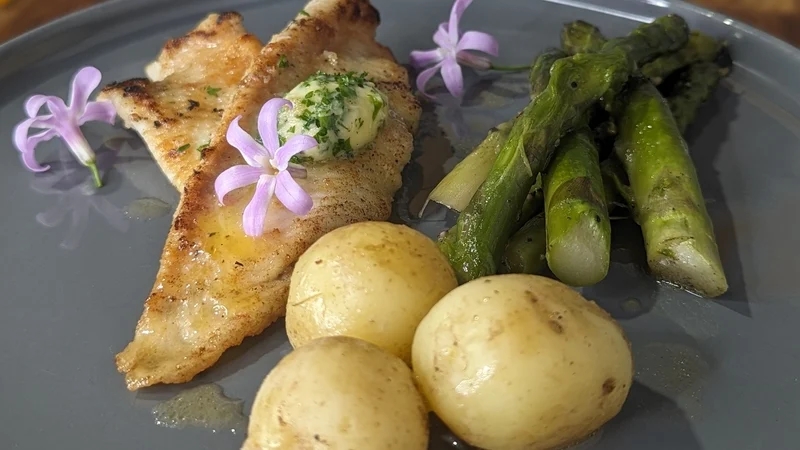
Rachel Allen’s pan-fried fish with herb butter, asparagus, new potatoes.
Ingredients
Serves: 4-6
For the herb butter:
50g soft butter
1 tablespoon chopped herbs such as dill, fennel, chives, parsley
A squeeze of lemon juice
Salt and pepper
For the pan-fried fish:
4 fillets of flat fish, such as John Dory, plaice, sole, brill or turbot, or part of a round fish fillet, like salmon, cod, grey mullet, etc. (allow 175g for a main course and 75g for a starter)
Approximately 4 tablespoons flour
Extra virgin olive oil or soft butter
A pinch of sea salt flakes and freshly ground black pepper
Method
Dry the fish fillets on kitchen paper.
Season on both sides with sea salt flakes and freshly ground black pepper.
Heat a cast iron or non-stick frying pan on a high heat until smoking. Add a dash of olive oil and put in the fish fillets.
OR you can dust the fillets with seasoned flour then spread some soft butter over one side.
Place buttered side in the pan first. Turn when golden on one side, then cook again until golden on the other side.
Place a couple of slices of herb butter over each fillet and serve immediately with asparagus and boiled new potatoes.
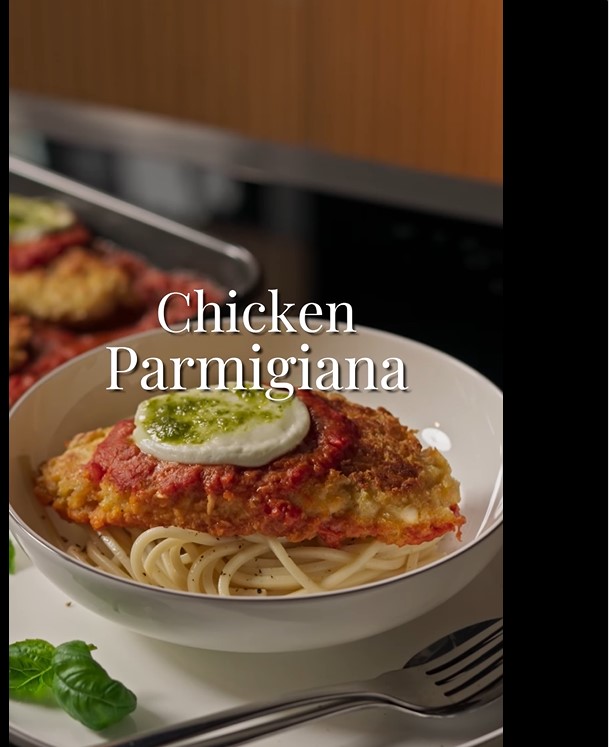
#ad | Looking for the perfect chicken dinner? Try this Chicken Parmigiana recipe from our @simplybetterds brand ambassador @nevenmaguire find the full recipe below and shop the ingredients in your local @dunnesstores
Ingredients (Serves 4) 2 Simply Better Irish Corn Fed Chicken Fillets 2 Simply Better Irish Free Range Corn Fed Large eggs 2 Tbsp. Simply Better Organic Irish Jersey Milk 150g Simply Better Rustic Ciabatta Breadcrumbs 50g Simply Better Parmigiano Reggiano grated, plus extra to garnish 2 Tbsp. Simply Better Italian Extra Virgin Olive Oil 1 Tub Simply Better Italian Mozzarella, cut into 4 slices 1 Jar Simply Better Italian Tomato & Mascarpone Pasta Sauce 25g Butter 75g Plain Flour A small handful of fresh basil leaves
To serve: 300g Simply Better Italian Bronze Die Spaghetti, cooked Mixed Leaf Salad
DIRECTIONS 1. Place the chicken on a chopping board and cut each fillet in half lengthways. Spread them out and cover with parchment paper, then bash with a rolling pin until they are about 1cm thick.
2. Put the flour in a dish and season generously with salt and pepper. Put the eggs in a separate dish with the milk and season, then beat lightly with a fork. Put the breadcrumbs and Parmesan into a third dish, stirring to combine. Dust each chicken escalope in the seasoned flour, then dip into the beaten eggs and finally coat it in the breadcrumbs. Arrange on a plate.
3. Preheat the oven to 180°C (350°F/gas mark 4).
4. Heat the oil and butter in a large non-stick frying pan over a medium heat. Cook the escalope’s for 2 minutes on each side, until crisp and golden. Pour half of the tomato sauce on a baking tray or into a baking dish, then add the chicken. Spoon a little of the sauce on each one and top with a piece of mozzarella and a spoon of pesto. Transfer to the oven and cook for 10-12 minutes, until the mozzarella is bubbling.
5. Garnish the chicken with some fresh basil and serve straight to the table with a bowl of spaghetti and a bowl of salad so everyone can help themselves.
I never tire of a bowl of steaming hot stew. It’s the attention to detail that makes this dish one of the world’s great classics. This is my version that I have developed over the years. It’s a meal in itself, but for a special celebration, try serving it buffet style with bowls of turnip mash, colcannon and maybe even some glazed parsnips and carrots and watch your guests’ faces light up!
SERVES 6–8
900g (2lb) boneless lamb neck or shoulder, trimmed and cut into cubes
900ml (1½ pints) lamb or chicken stock
50g (2oz) pearl barley, washed
225g (8oz) potatoes, cut into chunks
225g (8oz) carrots, thickly sliced
225g (8oz) leeks, well trimmed and
thickly sliced
225g (8oz) pearl onions, peeled
100g (4oz) rindless piece of smoked
bacon, diced
2 fresh thyme sprigs
sea salt and freshly ground
black pepper
chopped fresh flat-leaf parsley,
to garnish
turnip mash with crispy bacon and onion, to serve (optional)
colcannon, to serve
1 Place the boneless lamb pieces in a large heavy-based pan or flameproof casserole and pour over the stock. Bring to the boil, then skim off any scum from the surface and then stir in
the barley. Reduce the heat and simmer gently for 50 minutes, until slightly reduced and the lamb is almost tender.
2 Add the potatoes to the lamb with the carrots, leeks, pearl onions, smoked bacon and thyme and simmer for 30 minutes, until the lamb and vegetables are completely tender but still holding their shape. Season to taste with salt and pepper.
3 Put the stew straight onto the table and scatter over the parsley. Serve dishes of the turnip mash with crispy bacon and onion and colcannon alongside and allow everyone to help themselves.
Oatmeal, Cranberry and White Chocolate Cookies
This recipe was given to me by Mary Flahavan. I like it so much that we now make it up in batches and keep them in Kilner jars in our rooms for guests in case they’re feeling a bit peckish after a long journey but don’t want to ruin their dinner.
275g (10oz) Flahavan’s
Progress Oatlets
225g (8oz) butter, at room
temperature
150g (5oz) caster sugar
100g (4oz) plain flour, plus a little
extra for dusting
½ tsp baking soda
100g (4oz) dried cranberries,
roughly chopped
100g (4oz) white chocolate,
finely chopped
Preheat the oven to 200°C (400°F/gas mark 6). Line 2 baking sheets with parchment paper. Blend the oatlets in a food processor until quite fine. Add the butter, sugar, flour and baking soda and blend again until the dough just comes together.
Tip into a bowl and beat in the cranberries and white chocolate. Shape into 12 even-sized balls and arrange on the lined baking sheets well spaced apart, then squash them down with the palm of your hand to about a 4cm (1 ½in) thickness. Bake for 15–20 minutes, until they are a pale golden colour and soft to the touch. Remove from the oven and leave to cool and harden on the sheets for a minute, then transfer to a wire rack and leave to cool for a few minutes before tucking in with a nice cup of tea.
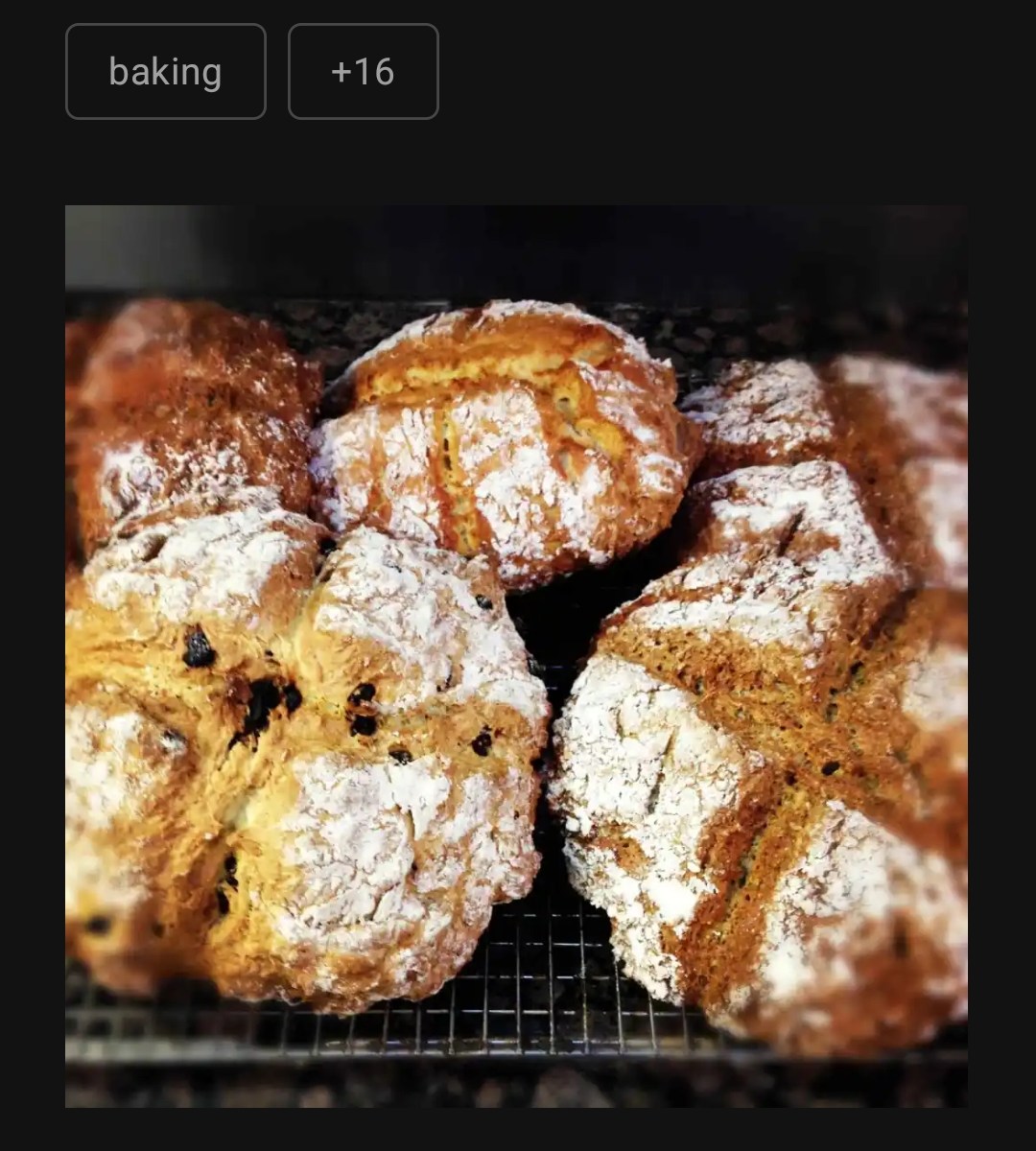
450g (1lb, 31/2 cups) plain flour 1/2 teaspoon sugar 1/2 teaspoon salt 1/2 teaspoon bicarbonate of soda 300-600ml (1/2 – 1 pint, 1 1/4 – 2 1/2 cups) sour milk or buttermilk
METHOD
Sieve the dry ingredients. Make a well in the centre.
Pour in all the milk at once. Using 1 hand, with your fingers stiff and outstretched like a claw, stir in a full circular movement from the centre to the outside of the bowl in ever increasing circles. The dough should be softish, not too wet and sticky. When it all comes together, turn it out onto a well-floured work surface. Wash and dry your hands. Tidy it up and flip over gently. Pat the dough into a round, about 4cm deep.
Cut a deep cross on the loaf and prick in the four corners.
Bake in the oven for 15 minutes then turn down to 200deg C for 30 minutes until cooked. If you are in doubt, tap the bottom of the bread, when it is cooked it will sound hollow. Cool on a wire rack.
Tip! Soda breads are best eaten on the day they are made, but are still good the next day.
Spotted Dog
Follow the recipe above adding: 1 dessert spoon of sugar, 100g sultanas, 1 egg.
Add the sugar and the sultanas with the flour and drop the egg in with the milk before missing. Spotted dog is also called railway cake in some parts of Ireland.
Stripy Cat
Follow the spotted dog recipe replacing the sultanas with 75g of roughly chopped best quality chocolate.
Come to savour culinary delights at Ballymaloe House Hotel.BOOK YOUR STAY
4 large ripe tomatoes, skinned, seeded and chopped
Salt
2 tablespoons chopped parsley
A good pinch of crushed chilli peppers (dried chilli pepper flakes)
8 large eggs
8 slices of chorizo
50g (2oz) manchego or Parmesan, grated
4 slices of bread, toasted and buttered, to serve
DIRECTIONS
Preheat the oven to 180°C, 350°F, Gas 4. Put a frying pan on a medium-low heat, add the olive oil then add the skinned, chopped tomatoes, see my tip, above left. Season with a good pinch of salt and cook for about 15 minutes, until the tomato sauce is thick and viscous.
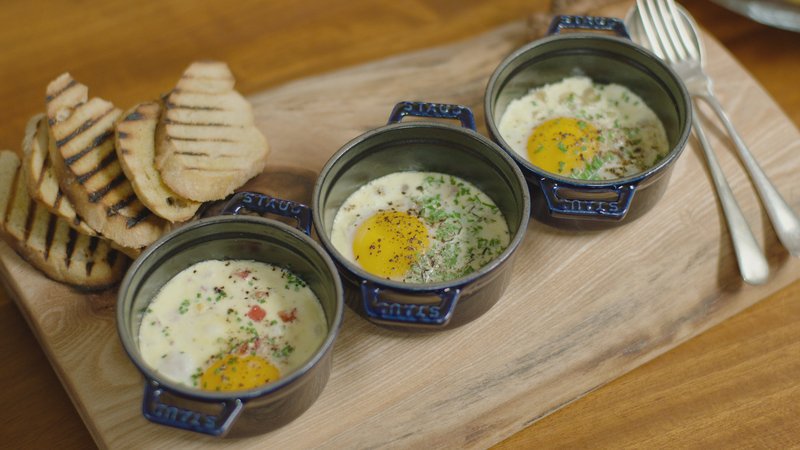
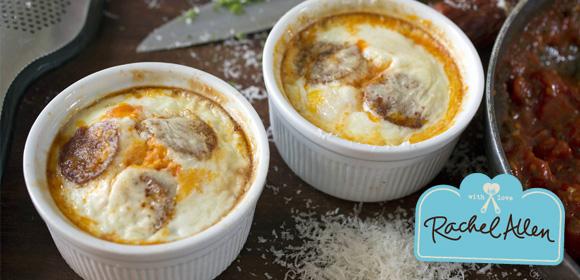
Remove from the heat, stir in the chopped parsley and the crushed chilli peppers. Divide the tomato sauce between four ovenproof ramekins and break 2 eggs into each dish. Place a slice of the chorizo on top of each egg and divide the grated manchego or Parmesan cheese, whichever you’re using, between the ramekins.
Place in the preheated oven and bake for 10-15 minutes, until the whites are set, but the yolks are just ever so slightly soft. Just before the eggs are ready, toast the slices of bread and butter them.
Remove the eggs from the oven and serve with the buttered toast.
 dunnesstores





(Serves 4)
Ingredients
2 tablespoons olive oil
4 large ripe tomatoes, skinned, seeded and chopped
Salt
2 tablespoons chopped parsley
A good pinch of crushed chilli peppers (dried chilli pepper flakes)
8 large eggs
8 slices of chorizo
50g (2oz) manchego or Parmesan, grated
4 slices of bread, toasted and buttered, to serve