This recipe comes from the original Swiss Bircher muesli, where porridge oats are soaked in a little water, then sweetened with delicious seasonal or dried fruit, and sometimes nuts and seeds too. Strawberries and raspberries work particularly well in this muesli recipe, as does grated apple, to which you could also add a smidgen of ground cinnamon.
The recipe was created in the early 1900s by the Swiss physician Dr Maximillian Bircher-Benner, who knew that a diet rich in nutrients was essential for the recuperation of the patients in his hospital.
Place the porridge oats in a bowl with the water. Allow the oats to sit for 10 minutes, then add in the strawberries. Mash with a fork before adding enough light agave syrup or honey, whichever you’re using, to sweeten the mixture.
Serve the muesli on its own, or with cream and brown sugar; or topped with natural yoghurt and toasted, chopped hazelnuts or almonds.
Serves 2-3.
You will need:
75g (3oz) porridge oats
150ml (5fl oz) water
110g (4oz) strawberries
2-3 teaspoons light agave syrup or honey
To serve, you will need:
Cream and brown sugar (optional)
Natural yoghurt and toasted chopped hazlenuts or almonds (optional)
Place the porridge oats in a bowl with the water. Allow the oats to sit for 10 minutes, then add in the strawberries. Mash with a fork before adding enough light agave syrup or honey, whichever you’re using, to sweeten the mixture.
Serve the muesli on its own, or with cream and brown sugar; or topped with natural yoghurt and toasted, chopped hazelnuts or almonds.
I adore this delicious and nutritious soup. It’s great either for family suppers or for a dinner party. The soup can be frozen and the Dubliner toasts prepared in advance, then grilled at the last moment. Ideal if you need a meal in an instant. Rachel Allen
Melt the butter in a medium to large saucepan, and add the potatoes and onion, salt and pepper. Cover with a piece of wax paper and sweat over a gentle heat for 10 minutes. Meanwhile, cut the broccoli florets from the stalk. Using a small knife, remove the outer layer of skin from the stalk and discard, then chop the stalk into 1/2-inch pieces. Add to the onion and potato, cover and sweat for a further 5 minutes. Add the hot stock to the potatoes, onion and broccoli stalk, bring up to a boil, then add the chopped broccoli florets. Boil without the lid over a high heat for 4–5 minutes until soft, then add the cream. Remove from the heat, puree in a blender and season to taste.To make the Dubliner toasts, toast the bread on both sides, sprinkle with grated Dubliner Cheese and pop under a hot grill or into a hot oven for 2 minutes or until the cheese melts. Cut the toast into fingers and serve on the side with the soup.
This quick and delicious recipe can be adapted to make a larger tart, and topped with any fruit you like.
Ingredients
Makes 24 mini almond tartlets or 2 x 18cm tarts
110g butter
110g caster sugar
110g ground almond
Method
Preheat the oven to 180’C/160’Fan/350’F/Gas mark 4.
Place the butter in a bowl and beat until soft and light. Add in the sugar and the ground almonds and mix to combine.
Place generous teaspoonful blobs of the mixture in each ‘cup’ of a shallow bun tray (a mince pie tray), you should get 24 altogether so if it’s a 12 hole tray then cook it in 2 batches.
Or you could make 12 mini tartlets and 1 x 18cm tin.
Bake in the preheat oven for 8-10 minutes until a rich golden brown then take out of the oven and leave to sit for 3 minutes, then remove each little tartlet base and cool on a wire rack.
The larger tart will take 16-18 minutes to cook.
After removing from the oven, allow to sit for 3 minutes then turn out onto a plate and allow to cool before decorating.
Top with raspberries or sliced strawberries and whipped cream or whatever delicious fruit you have.
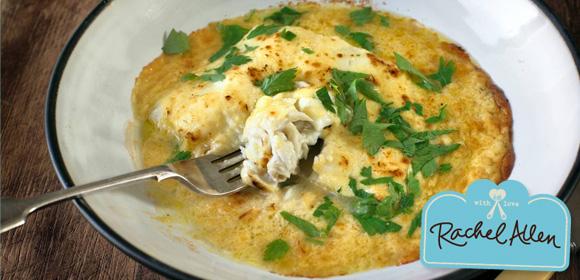
First season the haddock pieces with the salt and freshly ground black pepper. Arrange the fillets in a single layer in the ovenproof dish (it should be a dish that is posh enough to bring to the table). Mix the grated Cheddar cheese together with the Dijon mustard and the cream and spread carefully over the fish.
The fish can be prepared ahead and refrigerated at this point. It will keep in the fridge for a day.
To cook, place in the pre-heated oven for about 20 minutes or until the fish is cooked and the top is golden and bubbly. If the fish is cooked but the top is not yet golden, place under a hot grill for just a few moments to colour the cheese.
2 fennel bulbs, trimmed and cut lengthways into 3-4mm (¼in) slices
2 apples (unpeeled), quartered, cored and cut into wedges 5mm (¼in-½in) thick
4 smoked mackerel fillets, skin removed and flesh torn into bite-sized chunks
4 handfuls of rocket leaves
First, add the extra-virgin olive oil and the lemon juice to a large bowl. Season with the salt and freshly ground black pepper, then whisk everything together. Next, add in the sliced fennel, the wedges of apple and the chunks of mackerel. Mix together well, then add the rocket leaves and gently toss everything together to dress the leaves. Divide between plates and serve immediately.
The dressing recipe makes more than you will need, but it keeps in the fridge for a week, if covered.
For the dressing, you will need:
100ml (3½fl oz) sunflower or vegetable oil
25ml (1fl oz) extra-virgin olive oil
1 x 25g (1oz) tin of anchovies, drained and rinsed
1 egg yolk
1 small clove of garlic, peeled and crushed
1 tablespoon lemon juice
½ teaspoon Dijon mustard
Pinch of salt
½ tablespoon Worcestershire sauce
½ teaspoon Tabasco sauce
For the salad, you will need:
4 good-quality eggs
1 tablespoon sunflower oil, for frying
8 rashers of smoked streaky bacon, cut into 1cm (¼in) dice
4 handfuls of mixed lettuce leaves, including rocket and winter greens, such as baby spinach, mustard greens or beetroot leaves
50g (2oz) Parmesan cheese, grated, to serve
1 tablespoon chives, chopped, to serve
First, make the dressing – you can do this either in a food processor or by hand. First, pour the sunflower or vegetable oil, whichever you’re using, and the extra-virgin olive oil into a jug.
If you’re making the dressing by hand, mash the anchovies with a fork, then put them in a bowl along with the egg yolk, the crushed garlic, the lemon juice, the Dijon mustard, the pinch of salt, the Worcestershire sauce and the Tabasco sauce. Whisk together.
As you’re whisking, add the oil mixture from the jug very slowly and gradually. The dressing will become creamy as the emulsion forms.
When all the oil mixture has been incorporated, whisk in 25ml (1fl oz) of water to make the dressing the consistency of double cream, then add some extra seasoning to taste.
If you’re making the dressing in a food processor, add the anchovies, the egg yolk, the crushed garlic, the lemon juice, the Dijon mustard, the pinch of salt, the Worcestershire sauce and the Tabasco sauce. Whizz together, then gradually add the oil mixture from the jug and the water, as previously described, pouring them in through the machine’s feed tube.
To poach the eggs, first put a saucepan of water on a high heat and bring it to the boil.
Meanwhile, pour the sunflower oil into a frying pan on a high heat, add the bacon and fry it for 3-5 minutes, or until it is golden brown and crispy. Drain it on kitchen paper and set aside.
While the bacon is frying, tear the mixture of lettuce and winter greens into large, bite-sized pieces and place a handful on a plate. Drizzle with 1-2 tablespoons of the dressing, then sprinkle with the crispy bacon pieces.
Once the egg-poaching water has come to the boil, turn the heat down to low. Crack each egg into the lightly simmering water and poach for 3-4 minutes, or until the white is set and the yolk is still a little soft.
Turn the heat off under the saucepan and carefully lift each egg out, one by one, allowing all water to drain from the egg. Arrange one egg in the centre of each plate of dressed salad leaves, sprinkle with grated Parmesan and chopped chives.
Serves six.
You will need:
6 x 175g (6oz) pieces of haddock
Salt and freshly ground black pepper
225g (8oz) Irish mature Cheddar cheese, grated
1 tablespoon Dijon mustard
4 tablespoons cream
Ovenproof dish 8½ x 10 in (21.5 x 25.5cm)
Pre-heat the oven to 180°C, 350°F, Gas 4.
First season the haddock pieces with the salt and freshly ground black pepper. Arrange the fillets in a single layer in the ovenproof dish (it should be a dish that is posh enough to bring to the table). Mix the grated Cheddar cheese together with the Dijon mustard and the cream and spread carefully over the fish.
The fish can be prepared ahead and refrigerated at this point. It will keep in the fridge for a day.
To cook, place in the pre-heated oven for about 20 minutes or until the fish is cooked and the top is golden and bubbly. If the fish is cooked but the top is not yet golden, place under a hot grill for just a few moments to colour the cheese.