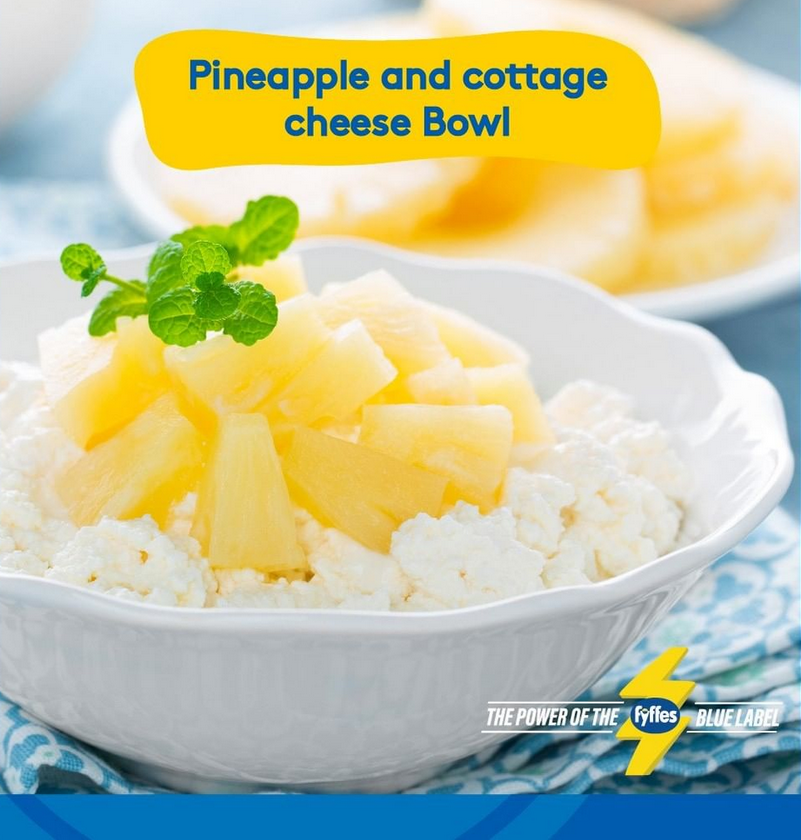
For more than 100 years we have been processing the highest quality natural wholesome and nutritious milk produced in the way nature intended – from cows grazing freely on the lush pastures of family owned farms. #heritage#farming#dairy
begins his journey in Newcastle 🏰🍞 From climbing the 847-year-old Newcastle Castle for views over the Tyne’s iconic bridges, to meeting Michelin-star pioneer Terry Laybourne for classic pub bites at The Broad Chare.
He also explores the city’s Irish connections through football legend Jack Charlton, before finishing at Big River Bakery, learning to make the famous Geordie Stottie and Pease Pudding.
This quick and delicious recipe can be adapted to make a larger tart, and topped with any fruit you like.
Ingredients
Makes 24 mini almond tartlets or 2 x 18cm tarts
110g butter
110g caster sugar
110g ground almond
Method
Preheat the oven to 180’C/160’Fan/350’F/Gas mark 4.
Place the butter in a bowl and beat until soft and light. Add in the sugar and the ground almonds and mix to combine.
Place generous teaspoonful blobs of the mixture in each ‘cup’ of a shallow bun tray (a mince pie tray), you should get 24 altogether so if it’s a 12 hole tray then cook it in 2 batches.
Or you could make 12 mini tartlets and 1 x 18cm tin.
Bake in the preheat oven for 8-10 minutes until a rich golden brown then take out of the oven and leave to sit for 3 minutes, then remove each little tartlet base and cool on a wire rack.
The larger tart will take 16-18 minutes to cook.
After removing from the oven, allow to sit for 3 minutes then turn out onto a plate and allow to cool before decorating.
Top with raspberries or sliced strawberries and whipped cream or whatever delicious fruit you have.
Cabbage often—and unfairly—gets overlooked, with flashier veggies and protein-dense superfoods getting all the attention. But as far as nutritional food options go, the leafy green is pretty hard to beat. A staple in different cuisines (American coleslaw! Middle Eastern malfouf! Chinese suan la bai cai!), cabbage has been a longtime favorite amongst global chefs.
“Much of this stems from its versatility,” Woldy Reyes, chef and author of the cookbook In the Kusina: My Seasonal Filipino Cooking, tells Vogue. “We are seeing a growing trend of chefs utilizing it as a centerpiece, such as cabbage steaks, rather than as a side dish. The culinary appeal has never been stronger.”
“Its popularity stems from its ability to transform,” adds Tatiana Mora, chef of plant-based Michelin star restaurant Mita. “It can be eaten raw, fermented, steamed, roasted, or sautéed, consistently providing flavor, texture, and nutrition. I love it because it is a noble vegetable that grows easily, keeps well, and can be used almost entirely, making it perfect for a conscious and respectful approach to cooking.”
It’s accessible, easy to cook, and delicious. Here are all the reasons cabbage deserves a seat at your table (get it?) in 2026.
What is cabbage?
Cabbage is a leafy green that is part of the brassica plant family (which also includes broccoli, cauliflower, brussels sprouts, and kale), says Amy Shapiro, RD, registered dietitian and founder of Real Nutrition. It comes in several varieties, but the most common ones you’ll see are green, red (or purple), and savoy. What makes cabbage different from other leafy greens is its density and durability. “It’s heartier, stores longer, and holds up well to cooking, fermenting, and shredding,” Shapiro says. “Nutritionally, it shares many benefits with other cruciferous vegetables, but it’s often milder in flavor and more versatile across cuisines.”
The Benefits
Besides its versatility, one of the main benefits of cabbage is its many nutrients. Shapiro lists other main benefits of the leafy green:
Supports Gut Health
Shapiro says that, because cabbage contains fiber and other compounds that support digestion, eating this leafy green can benefit the gut bacteria and boost gut health.
Anti-Inflammatory Properties
Cabbage is also rich in antioxidants and phytonutrients that studies have shown can reduce inflammation, she says.
Boosts Heart Health
Along with fiber, cabbage has potassium, which supports healthy cholesterol levels and blood pressure. Cabbage also has vitamin K, which is essential for blood clotting (and bone health). Shapiro points to red cabbage in particular, which she says contains antioxidants called anthocyanins that studies have shown can improve brain and heart health.
Regulates Blood Sugar
Cabbage is low in calories and carbs while being high in fiber, which can help stabilize glucose levels in the body.
‘Give your pancakes a French, Australian or American twist with Rachel Allen’s delicious recipes’
“If you’re looking for a new take on this age-old recipe, try a crepe with banana, salted caramel and cream, wholemeal pikelet with blueberry compote, American pancake with maple syrup and rashers, or buckwheat blini with salmon and creme fraiche
The cooking of pancakes dates way back to prehistoric times where batters made from stoneground flour and water were cooked over fire. Sometimes leavened with yeast and other raising agents, pancakes can take on many slightly dissimilar guises. Essentially flat cakes, pancakes in France are thin and sometimes a little crisp around the edges as the name crepe would suggest: like the thin fabric with a wrinkled surface. Serve with this salted caramel sauce recipe, below, as well as banana slices and softly whipped cream. Once made, the sauce will keep for a month or more. It gets thicker in the fridge so just reheat to serve.”