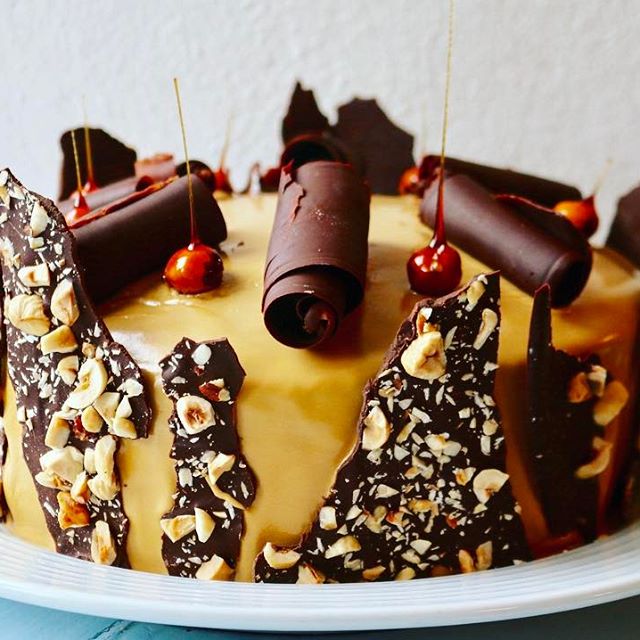
And that’s a wrap on 3 dreamy months at @ballymaloecookeryschool 🌱🌞 by Issy Brooks
https://www.instagram.com/reel/DMi7WkIML_r/?igsh=MXE0aWxuMjl1M2hzbw==
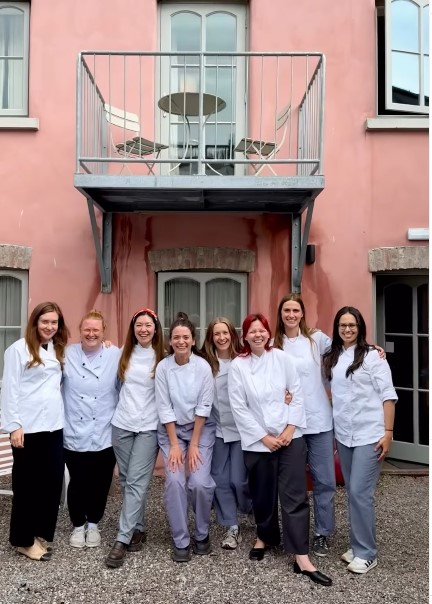
and
- And that’s a wrap on 3 dreamy months at @ballymaloecookeryschool 🌱🌞
Spooky Bakewell tart by @tabbonizio for Halloween lunch today! @ballymaloecookeryschool

Liked by alixarchambeau and others
 ballymaloecookeryschoo
- lSpooky Bakewell tart by @tabbonizio for Halloween lunch today! 🕷️ 🎃 @ballymaloecookeryschool1h
The perfect pouches for little ones on the go! 🍌⭐


•
Follow
- glenilenfarm
- The perfect pouches for little ones on the go! 🍌⭐
Our newly launched no added sugar pouch range in natural and banana flavour are the perfect snack from +6 months! 👶
Make their first foods, superfoods! 💪
Pick yours up today in Supervalu nationwide. 📍
#PureYoghurtGoodness #GlenilenFarm #Weaning #YoghurtHappiness3w
Camille Cheng @ballymaloecookeryschool, Co.Cork
and
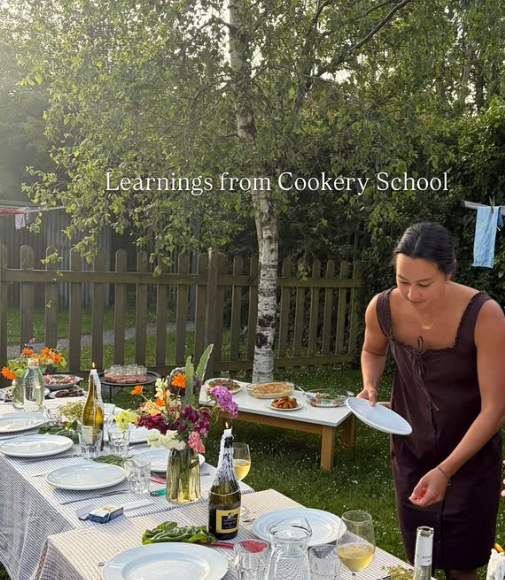
- Some learnings from cookery school so far //
Cookery school is more than just learning to cook.
I love experiences that teach you more about yourself in the process.
Being a beginner again is humbling.
The athlete mindset is still there, just in a different context.Edited · 1w
Happy Birthday 🎂 🥳@rachelallencooks from @ballymaloecookeryschool

ballymaloecookeryschool
Happy Birthday to Rachel Allen 🎉
Delicious Breakfast Yoghurt Scones @GlenilenFarm. Simple and easy to bake! 😋

Breakfast Yoghurt Scones
These yoghurt scones are the perfect kickstart to your day or lovely as a lunchtime treat. We love to serve them topped with a spoon of jam and a dollop of Glenilen yoghurt.
Ingredients
Dough
- 125 g Glenilen Natural Yoghurt
- 200 g plain flour
- 1 tsp bicarbonate of soda
- 20 g wheat bran
- 30 g honey
- 25 g butter
- 110 g dried fruit
- 70 ml buttermilk
- 1 egg, egg wash
Method
- Preheat your oven to 200C/180C fan.
- Line a tray with parchment paper & set aside.
- Into a mixing bowl, sieve in the flour and soda.
- To this add the bran and mix.
- Add the cubed butter and with clean hands, rub together to blend.
- At this stage, add the Glenilen Natural Yoghurt, honey and buttermilk.
- Mix to form a soft scone dough.
- Roll on a lightly floured surface to a thickness of 2″.
- Using a 3″ round cutter, cut out 7 scones.
- Place on the lined tray and egg wash.
- Bake in the preheated oven for 20 minutes.
- Remove and allow to cool before serving.
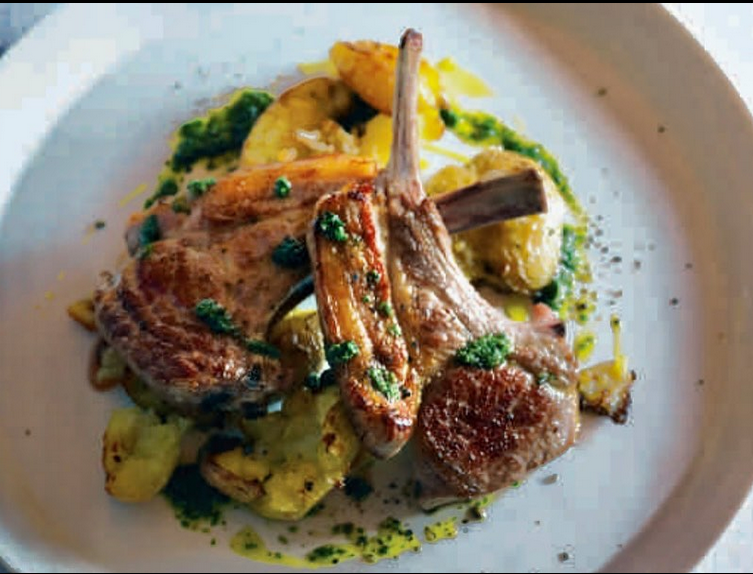
Spring lamb chops with salsa verde @rachelallencooks #Ballymaloe

rachelallencooks
Verified
Here’s a really quick and easy recipe for Spring lamb chops with mint salsa verde, just delicious at this time of the year.
Serves 4-6
For the mint salsa verde:
Makes 150ml
1 handful of parsley leaves
1 handful of mint leaves
grated zest and juice of 1 small lemon
1 clove of garlic, crushed
1 tbsp capers, rinsed
50ml extra virgin olive oil
black pepper
lamb chops (2-3 per person)
1 – 2 tbsp extra virgin olive oil
salt and pepper
First make the salsa verde, put the mint, parsley, lemon zest, garlic and capers into a food processor and whiz until it’s all finely chopped. Add the lemon juice and olive oil (add more oil if you want it a bit more runny). Check the seasoning – it might not need salt, as the capers can be quite salty.
Next cook the lamb chops, remove excess fat from the chops, but leave about ½ cm still on. Drizzle with olive oil and season with pepper. Place a frying pan or grill pan on a high heat. When it’s good and hot add the lamb chops and sprinkle with a little salt and more pepper. Cook for approximately 3 minutes on each side. Remove to a plate, cover and leave to rest in a warm oven for 5 minutes.
Serve with a good drizzling of the salsa verde.
#mint #salsaverde #springlamb
Myrtle Allen’s Hot Lemon Pudding from Ballymaloe House #Cork 😋
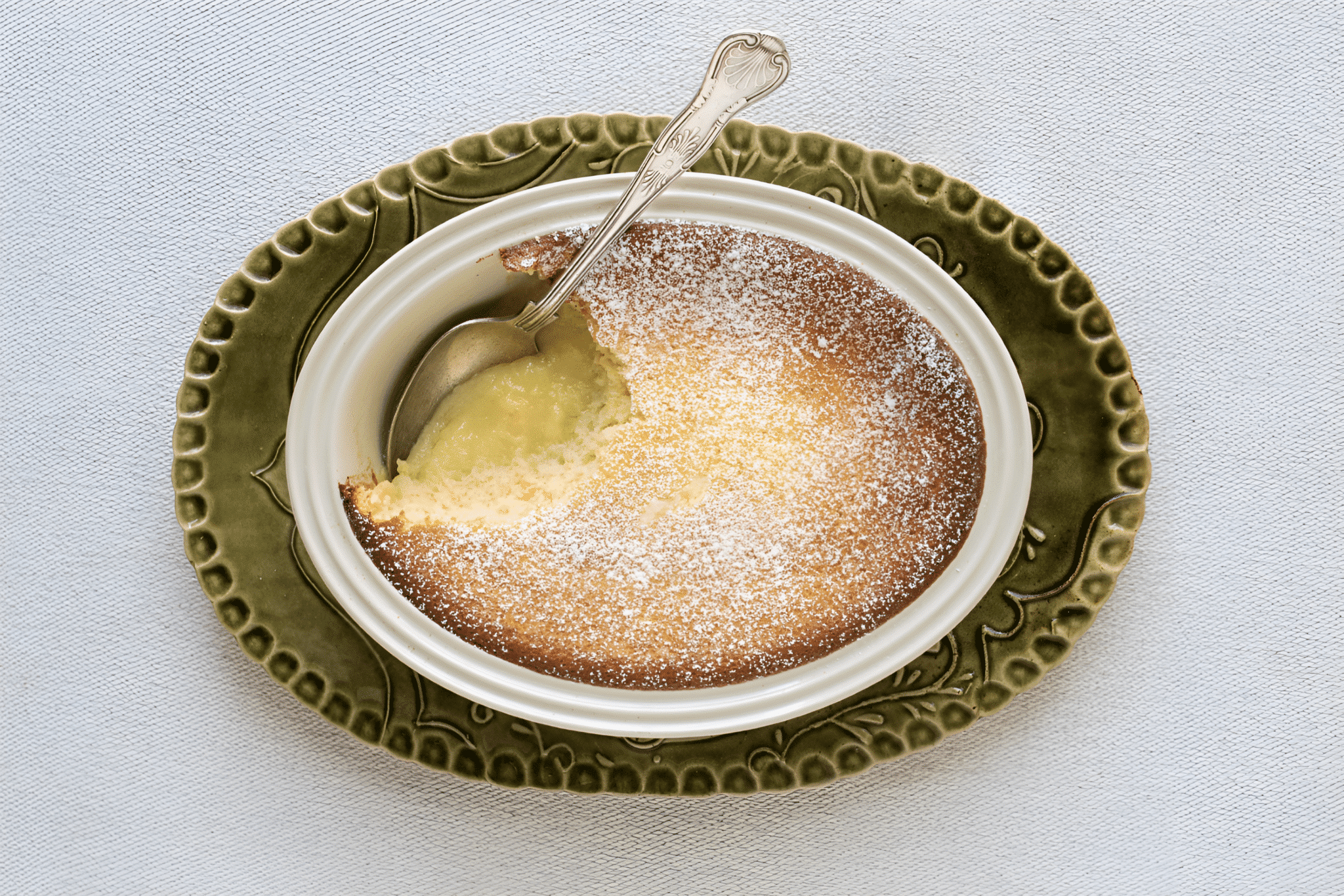
Myrtle Allen had been making this old-fashioned pudding long before she opened the restaurant at Ballymaloe. The recipe first came into her family in the 1930s. It is a really lovely dish and I like to serve it as a lunchtime dessert throughout the year. As the pudding bakes, it separates into two layers: the top is a light lemon sponge, and the bottom is a creamy lemon sauce. I like to serve every spoonful of the pudding with a generous amount of softly whipped cream.
Serves 4
Ingredients
- 15 g/½ oz (generous 1 tablespoon) soft salted butter
- 225 g/8 oz (1 cup plus 2 tablespoons) caster (superfine) sugar
- 3 large eggs
- 30 g/1 oz (¼ cup) plain flour
grated zest and juice of 2 lemons - 250 ml/8 fl oz (1 cup) milk
- icing (confectioners) sugar, for sprinkling
- softly whipped cream, to serve.
Method
Preheat the oven to 180°C/350°F/Gas Mark 4. Have a 1.2 litre/2 pint (5 cups) pie dish to hand.
Place the butter in a mixing bowl, cream it with a wooden spoon and gradually add the sugar. It will seem odd trying to cream so much sugar into so little butter and the mixture will have a similar texture to damp sand. Separate the eggs place the whites in a spotlessly clean bowl and set to one side. Mix the egg yolks into the butter and sugar mixture followed by the flour. Blend in the lemon zest and juice followed by the milk.
Whisk the egg whites to stiff peaks and gently fold them into the wet mixture. Pour into the pie dish and bake for about 40 minutes, or until set. The top of the pudding should be golden. Sprinkle with icing sugar and serve hot from the oven with softly whipped cream.
This recipe is from ‘Ballymaloe Desserts’ a cookbook by JR Ryall, Head Pastry Chef at Ballymaloe House HotelSearch for:
Categories
Recent Posts
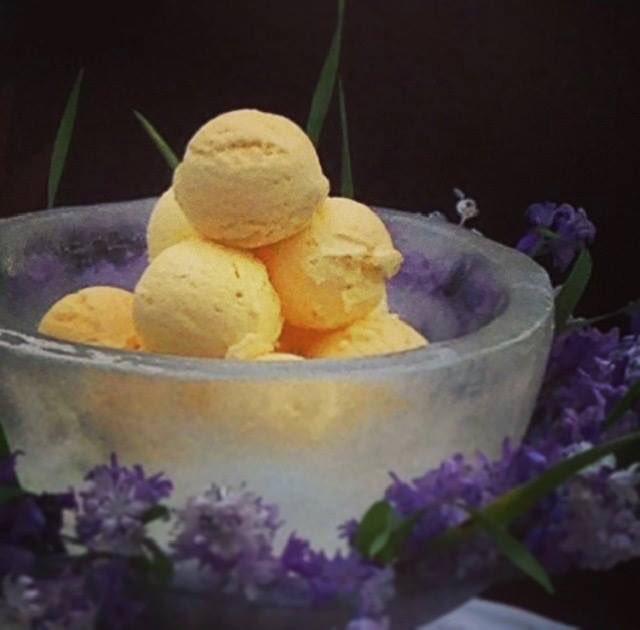
Home-made vanilla ice cream in ice bowl decorated with our Irish Native Bluebells…@Ballymaloe
Ireland’s Blue Book liked

Home-made vanilla ice cream in ice bowl decorated with our Irish Native Bluebells… make time for a walk on our woodland paths if you are visiting @Ballymaloe this weekend! 

 Photo
Photo @JRRyall

