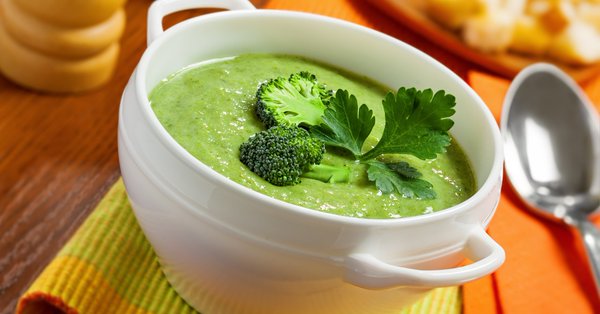
This recipe makes for a delicious, filling soup. Leeks are in the same family as onions, but have a mild flavor that complements the other ingredients without overpowering them.
This recipe can be made without oil by slowly cooking onions and garlic in a covered pot until the onions are translucent. Also, you can substitute frozen broccoli if fresh is unavailable. Additionally, cannellini beans can be easily substituted with navy, great northern or even garbanzo beans.
Ingredients
2 teaspoons extra virgin olive oil
2 cup sweet onion, diced small
2 teaspoon fresh garlic, minced
1 cup leeks, white part only, medium dice (about 1 leek)
5 cups vegetable stock
1½ cups cannellini beans, or one 16-ounce can of cannellini beans, rinsed
1 lb broccoli florets
1 teaspoon salt
¼ teaspoon pepper
Instructions
In a four-quart, pot sauté the onions on medium heat in olive oil until transparent.
Add garlic and cook without browning while stirring frequently, about 2 minutes.
Add the diced leeks and sauté 2 minutes.
Add the vegetable stock, increase heat and bring to a simmer.
Add the cannellini beans and broccoli florets or two 10-ounce packages of frozen broccoli florets and simmer on medium heat until broccoli is lightly cooked but still crunchy.
Add salt and pepper, turn off the heat and blend with an immersion blender until completely pureed.
Nutrition information per serving
Makes 10 1-cup servings Calories 80
Sodium 360 mg
Sugars 3 g
Cholesterol 0 mg
Saturated fat 0 g
Fiber 4 g
Protein: 4 g
Carbohydrates 13 g
As a side dish or a main dish this recipe is colorful and makes a beautiful impression.
Roasted sweet potatoes are a classic dish to bring to your table for any gathering, but it’s particularly inviting during fall or winter months. The colors are warm and gorgeous and it makes a nice impression served in a large, wide dish. This recipe works as a side dish as well as a main dish, especially if you add tofu.
Remember to roast the vegetables in a large, wide pan so the steam coming off the veggies evaporates instead of cooking adjacent items. Otherwise, you’ll get boiled potatoes and onions instead of roasted ones.
Ingredients
4 medium sweet potatoes, cubed
1 large Vidalia onion, sliced thinly
1/4 cup raw cashews
4 to 5 cups kale, washed, stripped and chopped
1/2 teaspoon salt
1/4 cup dried cranberries
1 carton tofu
1 tablespoon and 1 teaspoon olive oil
Directions
Mix together potatoes, onion, cashews and 1 tablespoon olive oil in a large bowl. Transfer to large paella pan and roast at 375°F for 45 minutes. Stir gently every 15 minutes.
While veggies are roasting, mix kale, cranberries, 1 teaspoon olive oil and 1/2 teaspoon salt in a bowl. Set aside.
Chop tofu in half and cut into 1/2 inch cubes. Set aside.
Once the sweet potatoes are cooked through and the onions are turning brown, remove from oven and allow to sit for 10 to 15 minutes. Stir in the tofu, kale and cranberries. Serves 6.
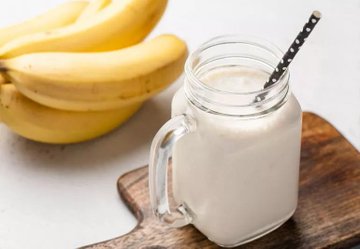
Enjoy protein and fiber packaged in a nutritious, cool and creamy shake with this vegan recipe from wellness chef Jim Perko.
Ingredients
3/4 cup almond milk, unsweetened
1 whole banana (8 to 10 inches long), peeled, frozen
1 1/2 tablespoons of almond butter, unsweetened
2 teaspoons vanilla
Directions
Place all ingredients into a blender.
Process until well-blended.
Serve immediately.
Chef’s note: Create your own version by adding soy milk to make it creamier and other nut butters to explore different flavors.
Ingredient health benefits
Almonds: Packed with perks, almonds are rich in calcium and other nutrients that support your bones, like magnesium and vitamin K. Natural compounds called flavonoids and vitamin E are antioxidants that promote healthy skin and a happy heart. These antioxidants also fight free radicals and oxidative stress, which can damage your cells and lead to disease. And heart-healthy unsaturated fats help your body absorb certain vitamins in your food (like vitamin E) and help lower your “bad” (LDL) cholesterol. As a dairy alternative, almond milk is still high in vitamin E, and as a spread, almond butter has more unsaturated fats than peanut butter, plus a little more calcium.
Banana: There are so many ap-peel-ing reasons to add these tropical fruits to any smoothie or shake! Bananas are a good source of fiber, and unripe bananas are double as prebiotics, meaning they nurture good gut bacteria that help to keep your digestive tract healthy. Potassium and magnesium are essential minerals for regulating your blood pressure and other vital systems, like nerves and muscles. But that’s not all bananas are good for: Even your immune system and metabolism can benefit from the vitamin C and vitamin B6.
Nutrition information (per serving)
Makes 2 servings
Calories: 160 Saturated fat: 0.5 g Cholesterol: 0 mg Fiber: 3 g Carbohydrate: 19 g Protein: 4 g
Enjoy protein and fiber packaged in a nutritious, cool and creamy shake with this vegan recipe from wellness chef Jim Perko.
Ingredients
3/4 cup almond milk, unsweetened
1 whole banana (8 to 10 inches long), peeled, frozen
1 1/2 tablespoons of almond butter, unsweetened
2 teaspoons vanilla
Directions
Place all ingredients into a blender.
Process until well-blended.
Serve immediately.
Chef’s note: Create your own version by adding soy milk to make it creamier and other nut butters to explore different flavors.
Ingredient health benefits
Almonds: Packed with perks, almonds are rich in calcium and other nutrients that support your bones, like magnesium and vitamin K. Natural compounds called flavonoids and vitamin E are antioxidants that promote healthy skin and a happy heart. These antioxidants also fight free radicals and oxidative stress, which can damage your cells and lead to disease. And heart-healthy unsaturated fats help your body absorb certain vitamins in your food (like vitamin E) and help lower your “bad” (LDL) cholesterol. As a dairy alternative, almond milk is still high in vitamin E, and as a spread, almond butter has more unsaturated fats than peanut butter, plus a little more calcium.
Banana: There are so many ap-peel-ing reasons to add these tropical fruits to any smoothie or shake! Bananas are a good source of fiber, and unripe bananas are double as prebiotics, meaning they nurture good gut bacteria that help to keep your digestive tract healthy. Potassium and magnesium are essential minerals for regulating your blood pressure and other vital systems, like nerves and muscles. But that’s not all bananas are good for: Even your immune system and metabolism can benefit from the vitamin C and vitamin B6.
Nutrition information (per serving)
Makes 2 servings
Calories: 160 Saturated fat: 0.5 g Cholesterol: 0 mg Fiber: 3 g Carbohydrate: 19 g Protein: 4 g
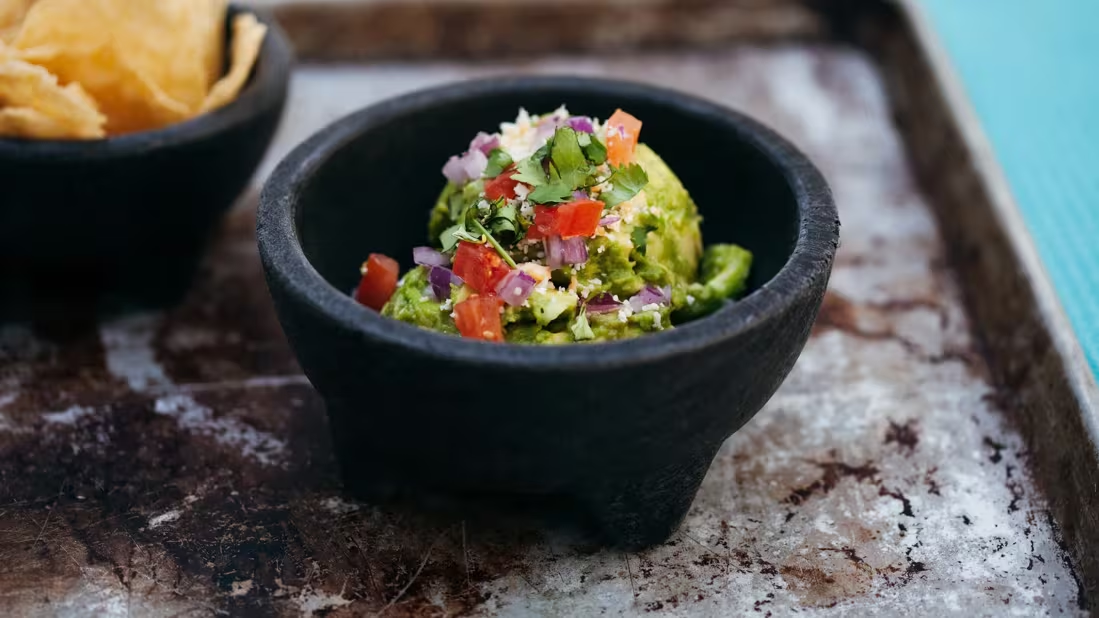
Mix up your favorite guac by adding feta, rice vinegar and oregano!
Traditional guacamole gets a Mediterranean makeover in this mouth-watering dip. Adding flavorful feta cheese, rice vinegar, oregano and parsley will satisfy the cravings of both avocado lovers and feta addicts!
Ingredients
1 cup chopped avocado (1–2 avocados)
1/4 cup finely chopped red onion
1 teaspoon minced garlic
2 tablespoons finely chopped parsley
1/2 teaspoon dried oregano leaves
1 teaspoon olive oil
1 tablespoon seasoned rice vinegar (flavored with basil and oregano)
1 1/4 cup crumbled reduced-fat feta cheese
Directions
In a bowl, gently stir together avocado, onion and garlic.
Mix in parsley and oregano.
Gently stir in olive oil, vinegar and feta. Refrigerate or serve immediately.
Ingredient health benefits
Avocados: Sometimes, good things come in small, bumpy packages. Adding avocados to any dish is a rich, creamy way to get some important nutrients in your body. They’re loaded with unsaturated fats and potassium, which support your heart and protect it from disease, as well as vitamins K, C, E, B6 and B9 (folate). These vitamins support many essential aspects of your well-being, from your eyes and immune cells to strong bones and soft skin. And speaking of head-to-toe health, avocadoes are also high in insoluble and soluble fiber, which your digestive tract will greatly appreciate!
Onions: It’s easy not to look past the potent, eyewatering qualities of this common ingredient, but your efforts won’t be in vain! Onions are packed with important nutrients like vitamin C, fiber and flavonoids, which promote immunity, lower inflammation and keep your heart healthy. The fiber in onions also works with prebiotics to bolster your “good” gut bacteria and “smooth your moves.” And a flavonoid called quercetin may suppress the growth of “bad” bacteria that can make you sick.
Garlic: Another aromatic allium, garlic is so nutritious that some consider it a superfood! It can boost your immune system when eaten regularly with lots of fruits and vegetables, and it may help regulate your blood pressure. There are also plenty of antioxidants that help decrease unwanted inflammation and keep your cells in peak condition, and certain natural compounds might protect you from harmful bacteria like Salmonellaand E. coli.
Parsley: Even herbs can have some benefits of their own! Parsley is a natural diuretic, so it helps your body get rid of extra fluid when nature calls, and there are flavonoids to help preserve your heart and brain health.
Olive oil: It’s well known that olive oil is a prime choice when it comes to cooking oils, but have you ever wondered why? Well, it’s chock full of heart-healthy fats that help lower your “bad” (LDL) cholesterol and raise your “good” (HDL) cholesterol, as well as fat-soluble vitamins like vitamins D and K. Olive oil is also rich in polyphenols, a type of antioxidant. And while all olive oil is nutritious and delicious, consider going for the extra virgin variety (EVOO) if you can, as it has the highest concentration of these benefits.
Cheese: What’s not to love about a food that also loves you? Cheese is a meat-free source of omega-3s, essential fats that fuel every cell in your body and may decrease your risk of certain cancers and eye diseases. Whey, casein and calcium support strong bones and muscles so they can support your needs. And vitamin A and vitamin B12 are responsible for keeping your eyes, brain and blood cells in top shape, while the minerals selenium and zinc help strengthen your immunity.
Nutrition information (per serving)
Makes 5 servings Serving = 1/4 cup
Calories: 123 (72% calories from fat) Fat: 11 g Saturated fat: 2 g Cholesterol: 3 mg Sodium: 105 mg Carbohydrates: 7 g Dietary fiber: 4 g Sugar: 1 g Protein: 3 g Dietary exchanges: 1/2 starch, 2 fat
Stick to clean, cold compresses, and avoid topical ointments
Between the ages of 4 months and 2 and a half years, a lot will change in your baby’s life. They’ll start talking. They’ll start walking. They’ll need their crib mattress lowered and maybe even move to a big-kid bed.
And in that time, they’ll go from toothless little infants to toddlers with a mouthful of chompers.
Yes, in about two years’ time, your baby will cut 20 teeth. So, you’ll soon be an expert in all things teething.
But for now, you probably have questions. And are hearing a lot of different advice.
Before you go online to order the latest and greatest in supposed teething relief products, know that some of the tips and products you see online or hear about from friends aren’t your best options. Safe, effective teething relief is probably already within your reach.
We talked with pediatrician Lisa Diard, MD, about what to expect when your baby is teething and recommendations for a few ways to help them get relief.
Signs your baby is teething
All babies are different. Some fly through teething without making much of a fuss about it. Others might show symptoms.
The important thing to know, Dr. Diard says, is that teething shouldn’t majorly affect your baby (or you).
“Discomfort from teething should be pretty mild,” she says. “And any symptoms your baby does show should only last a few days until the tooth erupts.”
Signs your baby is cutting a tooth include symptoms like:
Increased chewing (on their hands, your hands, toys and whatever else is available to them).
Extra drooling.
A bit of increased fussiness or clinginess.
Red or swollen gums.
A slightly elevated temperature — less than 100.4 degrees Fahrenheit (38 degrees Celsius).
Some people claim that fevers, diaper rash and sleeplessness are also signs of teething. But Dr. Diard — and the American Academy of Pediatrics — says those and other teething myths haven’t been confirmed by research. Rather than chalk those up to teething, investigate what’s going on.
Try these teething remedies
No one wants to see their baby even mildly uncomfortable. They’re helpless tiny tykes, after all, and it’s your job to keep them safe and happy.
But teething babies are mouthy little things. They’re mini drool factories and may want to do nothing more than gnaw on everything they can. That’s totally normal, and it’s the best way to relieve their discomfort.
Dr. Diard suggests these relief options for teething babies:
Your fingers
If you’re up for it, allow your baby to nibble on your (clean!) fingers. Use your index finger to massage their gums where their tooth is coming in. They’ll appreciate the (literal) helping hand.
Try it frequently throughout the day, Dr. Diard suggests.
But really, make sure to wash your hands with soap and water before and after sticking them in your baby’s mouth. You don’t want to deal with a baby with a cold when they’re also in the midst of teething.
Wet cloths
If you’re not up for the finger method (or if your fingers need a break), a cold washcloth can do the trick, too.
Wet a fresh, clean washcloth and stick it in the refrigerator for a bit. That’ll keep it nice and cold, without being too cold as to shock your baby’s sensitive gums.
“Chewing on a cool, wet cloth can help decrease inflammation along the gums,” Dr. Diard says.
Allow your baby to chew solo. Or help out by using the cloth to massage their gums for them.
Teething rings and toys
Toys that are meant for teething can provide some relief for aching gums. Choose ones that are easy for tiny fists to grasp and provide the pressure needed to soothe sore gums. Of course, you’ll also want to avoid any choking risks, so stick with toys that are too big to be swallowed.
Some of these products are meant to be refrigerated for a cooling effect. But keep them out of the freezer.
“Frozen teething toys can make them too hard. They can also be so cold they hurt your baby’s gums,” Dr. Diard cautions. “Putting them in the fridge will be plenty cool to provide relief.”
Acetaminophen
If other measures aren’t doing the trick, a dose of pain relief medication may help.
“A day or two of Tylenol® (acetaminophen) is OK for babies who are old enough if they need a little extra pain relief,” Dr. Diard states. “You don’t want to use it longer than that without speaking to a children’s health care provider, like a pediatrician.”
If your baby needs a pain reliever for more than a day or two, something other than teething may be causing their pain.
Unless recommended by a healthcare professional, Tylenol shouldn’t be given to babies under 3 months old. Follow the dosing amounts and timeframes listed on the medication or as recommended by your provider. That will vary based on your baby’s age and weight.
Babies under 6 months of age shouldn’t take ibuprofen, unless directed by your healthcare professional.
Teething remedies to avoid
You want to help your baby feel better, of course, but there are some products out there that can do more harm than good, Dr. Diard says. Use caution with these common teething remedies, or avoid them altogether.
Teething biscuits and foods
Depending on your baby’s age and experience with solids, foods shouldn’t be your go-to for teething relief.
Babies under 9 months old may not know how to handle certain foods, so they can present a choking hazard. And a lot of those teething biscuits and cookies you’ll find won’t offer much in terms of nutrition.
“If you’re introducing solid foods at the same time as your baby is teething, cold, soft foods — like applesauce or bananas — can be good choices both in terms of nutrition and can soothe irritated gums,” Dr. Diard advises.
Topical medications
You’re better off avoiding those gel products for teething relief for a few reasons.
And other ingredients in those products cause a numbing effect that can be dangerous in their own way.
Think about it: You rub numbing gel on your baby’s irritated gums. They immediately touch it with their tongue. Now the tip of their tongue is numb. That makes it easier to accidentally bite their tongue (OUCH!). It also makes it harder to move food around their mouth properly, which can cause choking.
Teething necklaces and beads
Some people swear by teething necklaces with wood, amber, marble, silicone and other materials as an alternative treatment for teething discomfort. The makers claim some of these materials have pain-relieving properties that are absorbed by your baby’s skin to relieve teething symptoms.
What’s more, beads and necklaces present a serious risk for choking and strangulation in babies and toddlers.
If you’re worried that teething is causing your baby pain or is keeping them from living their best baby life, talk with your children’s healthcare provider. They can help understand what’s causing your baby’s discomfort so you can find safe, effective relief.
Mix up your favorite guac by adding feta, rice vinegar and oregano!
Traditional guacamole gets a Mediterranean makeover in this mouth-watering dip. Adding flavorful feta cheese, rice vinegar, oregano and parsley will satisfy the cravings of both avocado lovers and feta addicts!
Ingredients
1 cup chopped avocado (1–2 avocados)
1/4 cup finely chopped red onion
1 teaspoon minced garlic
2 tablespoons finely chopped parsley
1/2 teaspoon dried oregano leaves
1 teaspoon olive oil
1 tablespoon seasoned rice vinegar (flavored with basil and oregano)
1 1/4 cup crumbled reduced-fat feta cheese
Directions
In a bowl, gently stir together avocado, onion and garlic.
Mix in parsley and oregano.
Gently stir in olive oil, vinegar and feta. Refrigerate or serve immediately.
Ingredient health benefits
Avocados: Sometimes, good things come in small, bumpy packages. Adding avocados to any dish is a rich, creamy way to get some important nutrients in your body. They’re loaded with unsaturated fats and potassium, which support your heart and protect it from disease, as well as vitamins K, C, E, B6 and B9 (folate). These vitamins support many essential aspects of your well-being, from your eyes and immune cells to strong bones and soft skin. And speaking of head-to-toe health, avocadoes are also high in insoluble and soluble fiber, which your digestive tract will greatly appreciate!
Onions: It’s easy not to look past the potent, eyewatering qualities of this common ingredient, but your efforts won’t be in vain! Onions are packed with important nutrients like vitamin C, fiber and flavonoids, which promote immunity, lower inflammation and keep your heart healthy. The fiber in onions also works with prebiotics to bolster your “good” gut bacteria and “smooth your moves.” And a flavonoid called quercetin may suppress the growth of “bad” bacteria that can make you sick.
Garlic: Another aromatic allium, garlic is so nutritious that some consider it a superfood! It can boost your immune system when eaten regularly with lots of fruits and vegetables, and it may help regulate your blood pressure. There are also plenty of antioxidants that help decrease unwanted inflammation and keep your cells in peak condition, and certain natural compounds might protect you from harmful bacteria like Salmonellaand E. coli.
Parsley: Even herbs can have some benefits of their own! Parsley is a natural diuretic, so it helps your body get rid of extra fluid when nature calls, and there are flavonoids to help preserve your heart and brain health.
Olive oil: It’s well known that olive oil is a prime choice when it comes to cooking oils, but have you ever wondered why? Well, it’s chock full of heart-healthy fats that help lower your “bad” (LDL) cholesterol and raise your “good” (HDL) cholesterol, as well as fat-soluble vitamins like vitamins D and K. Olive oil is also rich in polyphenols, a type of antioxidant. And while all olive oil is nutritious and delicious, consider going for the extra virgin variety (EVOO) if you can, as it has the highest concentration of these benefits.
Cheese: What’s not to love about a food that also loves you? Cheese is a meat-free source of omega-3s, essential fats that fuel every cell in your body and may decrease your risk of certain cancers and eye diseases. Whey, casein and calcium support strong bones and muscles so they can support your needs. And vitamin A and vitamin B12 are responsible for keeping your eyes, brain and blood cells in top shape, while the minerals selenium and zinc help strengthen your immunity.
Nutrition information (per serving)
Makes 5 servings Serving = 1/4 cup
Calories: 123 (72% calories from fat) Fat: 11 g Saturated fat: 2 g Cholesterol: 3 mg Sodium: 105 mg Carbohydrates: 7 g Dietary fiber: 4 g Sugar: 1 g Protein: 3 g Dietary exchanges: 1/2 starch, 2 fat
Enjoy protein and fiber packaged in a nutritious, cool and creamy shake with this vegan recipe from wellness chef Jim Perko.
Ingredients
3/4 cup almond milk, unsweetened
1 whole banana (8 to 10 inches long), peeled, frozen
1 1/2 tablespoons of almond butter, unsweetened
2 teaspoons vanilla
Directions
Place all ingredients into a blender.
Process until well-blended.
Serve immediately.
Chef’s note: Create your own version by adding soy milk to make it creamier and other nut butters to explore different flavors.
Ingredient health benefits
Almonds: Packed with perks, almonds are rich in calcium and other nutrients that support your bones, like magnesium and vitamin K. Natural compounds called flavonoids and vitamin E are antioxidants that promote healthy skin and a happy heart. These antioxidants also fight free radicals and oxidative stress, which can damage your cells and lead to disease. And heart-healthy unsaturated fats help your body absorb certain vitamins in your food (like vitamin E) and help lower your “bad” (LDL) cholesterol. As a dairy alternative, almond milk is still high in vitamin E, and as a spread, almond butter has more unsaturated fats than peanut butter, plus a little more calcium.
Banana: There are so many ap-peel-ing reasons to add these tropical fruits to any smoothie or shake! Bananas are a good source of fiber, and unripe bananas are double as prebiotics, meaning they nurture good gut bacteria that help to keep your digestive tract healthy. Potassium and magnesium are essential minerals for regulating your blood pressure and other vital systems, like nerves and muscles. But that’s not all bananas are good for: Even your immune system and metabolism can benefit from the vitamin C and vitamin B6.
Nutrition information (per serving)
Makes 2 servings
Calories: 160 Saturated fat: 0.5 g Cholesterol: 0 mg Fiber: 3 g Carbohydrate: 19 g Protein: 4 g
Enjoy protein and fiber packaged in a nutritious, cool and creamy shake with this vegan recipe from wellness chef Jim Perko.
Ingredients
3/4 cup almond milk, unsweetened
1 whole banana (8 to 10 inches long), peeled, frozen
1 1/2 tablespoons of almond butter, unsweetened
2 teaspoons vanilla
Directions
Place all ingredients into a blender.
Process until well-blended.
Serve immediately.
Chef’s note: Create your own version by adding soy milk to make it creamier and other nut butters to explore different flavors.
Ingredient health benefits
Almonds: Packed with perks, almonds are rich in calcium and other nutrients that support your bones, like magnesium and vitamin K. Natural compounds called flavonoids and vitamin E are antioxidants that promote healthy skin and a happy heart. These antioxidants also fight free radicals and oxidative stress, which can damage your cells and lead to disease. And heart-healthy unsaturated fats help your body absorb certain vitamins in your food (like vitamin E) and help lower your “bad” (LDL) cholesterol. As a dairy alternative, almond milk is still high in vitamin E, and as a spread, almond butter has more unsaturated fats than peanut butter, plus a little more calcium.
Banana: There are so many ap-peel-ing reasons to add these tropical fruits to any smoothie or shake! Bananas are a good source of fiber, and unripe bananas are double as prebiotics, meaning they nurture good gut bacteria that help to keep your digestive tract healthy. Potassium and magnesium are essential minerals for regulating your blood pressure and other vital systems, like nerves and muscles. But that’s not all bananas are good for: Even your immune system and metabolism can benefit from the vitamin C and vitamin B6.
Nutrition information (per serving)
Makes 2 servings
Calories: 160 Saturated fat: 0.5 g Cholesterol: 0 mg Fiber: 3 g Carbohydrate: 19 g Protein: 4 g




 Foodaware