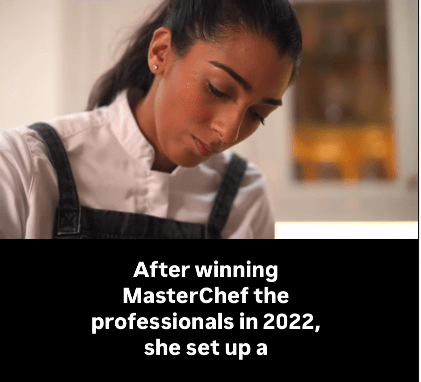
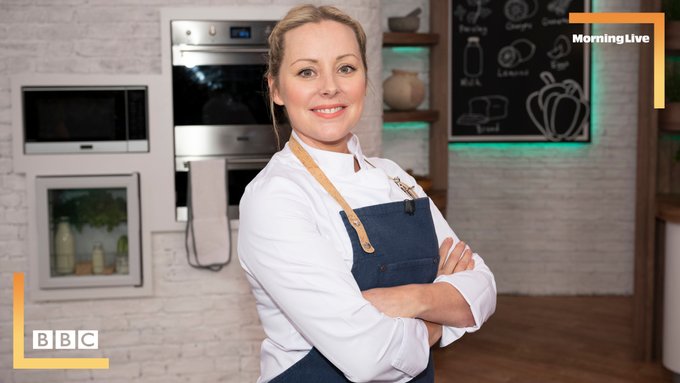
The final newcomer to this region is Derby born @chefnikita.p who runs fine dining supper clubs from her family home. She’s no stranger to a competition though! Tune in Tuesday 7pm @bbctwo and @bbciplayer to see her cook! #greatbritishmenu2d
Fabulous news Nikita – we really enjoyed interviewing you – look out for our @greatbritishmenu interview coming soon4 likesReply
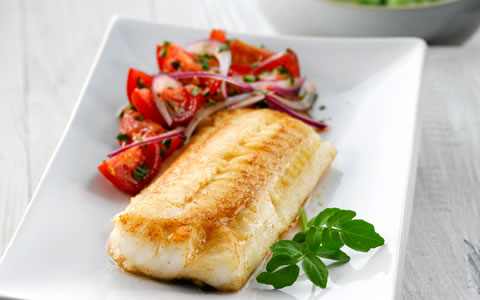
This Tomato and Red Onion Salad could be served with any of the other recipes. It would be particularly nice with the Spiced Haddock.
Serves 4
Cooking time:
Ingredients
4 whiting fillets, around 175g each, skinned and boned
½ tablesp. olive oil
A little salt and black pepper
A knob of butter
Tomato and Red Onion Salad
200g tomatoes, roughly chopped
½ small red onion, thinly sliced
Juice of half a lemon
2 tablesp. olive oil
Salt and black pepper
Bunch of chives, thinly sliced
Pea and Potato Mash
1kg potatoes, peeled and freshly cooked
150g frozen peas, cooked
6 tablesp. milk
25g butter
To Cook
Heat a little olive oil in a large frying pan. Season the fish and add to the pan, skin side up. Fry for 3-4 minutes then turn it over. Add a knob of butter to the pan and continue to cook the fish for another 3-4 minutes until it flakes easily with a fork. As the butter melts spoon it over the fish.
Meanwhile combine the salad ingredients. Taste for seasoning.
Heat the milk and butter in a saucepan then combine with the cooked potatoes and peas. Mash well. Season to taste.
Serving Suggestions
Serve the fish with the Tomato and Red Onion Salad and Pea and Potato Mash.
☘️CRISPY Smashed Potatoes with Green Goddess Dip🍀 These were seriously addictive! I found all my ingredients at my local @dunnesstores. I love that they have such amazing quality Irish produce. It’s made all the difference in this recipe. Check out the full step by step below ⤵️
Goddess Green Sauce 1 avocado Handful fresh coriander Handful fresh parsley 50g (1/3 cup) cashews 1 tbsp extra virgin olive oil 80ml (1/3 cup) water 1-2 cloves roasted garlic (better for little tummies) Juice 1/2 lime Season with black pepper
Preheat oven to 180ºC.
Boil the potatoes until cooked. They should be soft on the inside but not falling apart. Empty onto a baking tray lined with parchment. Cut a cross into each one, then smash using a glass or cup. Drizzle over a little olive oil, then roast for 25-30 minutes.
To make the Goddess sauce, add all of the ingredients to a blender and blend until smooth.
Serve the potatoes with fresh coriander leaves and dip!
👶🏻 For Babies, cut the potatoes into wedges and roast without smashing. Remove from the oven before they turn crispy to keep them really safe.
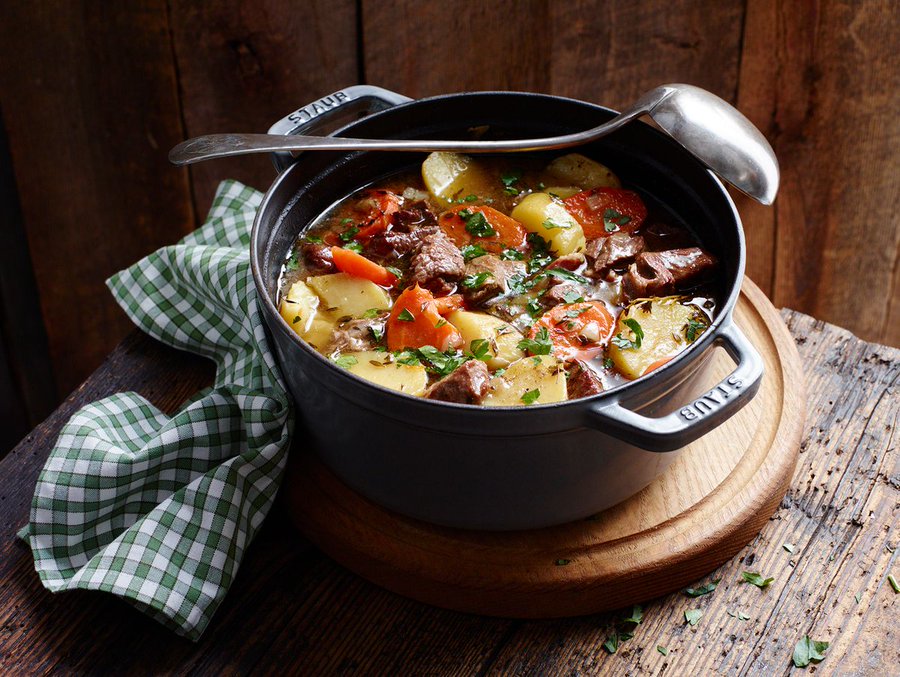
Shred some fat off the Gigot or Rack chops and render it down in the bottom of a heavy casserole pot. Peel onions, carrots and potatoes. Trim off any excess fat from the chops. Do not remove bones. Cut carrots and onions into quarters. Toss meat in the rendered fat until browned then remove. Do the same with the carrots and onions, then add back in the meat.
Add stock if you have it or water will do. Season nicely with salt and pepper remembering that it will reduce.Allow to simmer for half an hour with the lid on, then add potatoes on top. Cover and simmer gently for another 1 and half hours approximately on a gentle heat or in a moderate oven until meat is cooked.
Then pour off the cooking liquid. Degrease and reheat in another saucepan. Very slightly thicken the liquid with roux. Check seasoning. Then swirl in butter, chives, parsley and pour back into stew.
Come and savour culinary delights at Ballymaloe House Hotel in person, and experience how we prepare this recipe firsthand.
Peter’s wife Janice suddenly passed away in July, they had been married for nearly 50 years and she did all the cooking. @Anahaugh helps Peter learn to cook one of his favourites… a winter warming beef and tomato stew. #MorningLivepic.twitter.com/PLxclH9LAy
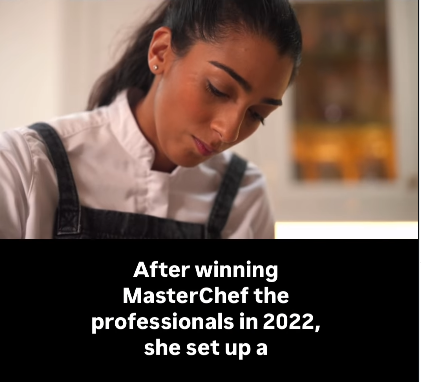
The final newcomer to this region is Derby born @chefnikita.p who runs fine dining supper clubs from her family home. She’s no stranger to a competition though! Tune in Tuesday 7pm @bbctwo and @bbciplayer to see her cook! #greatbritishmenu2d
Fabulous news Nikita – we really enjoyed interviewing you – look out for our @greatbritishmenu interview coming soon4 likesReply
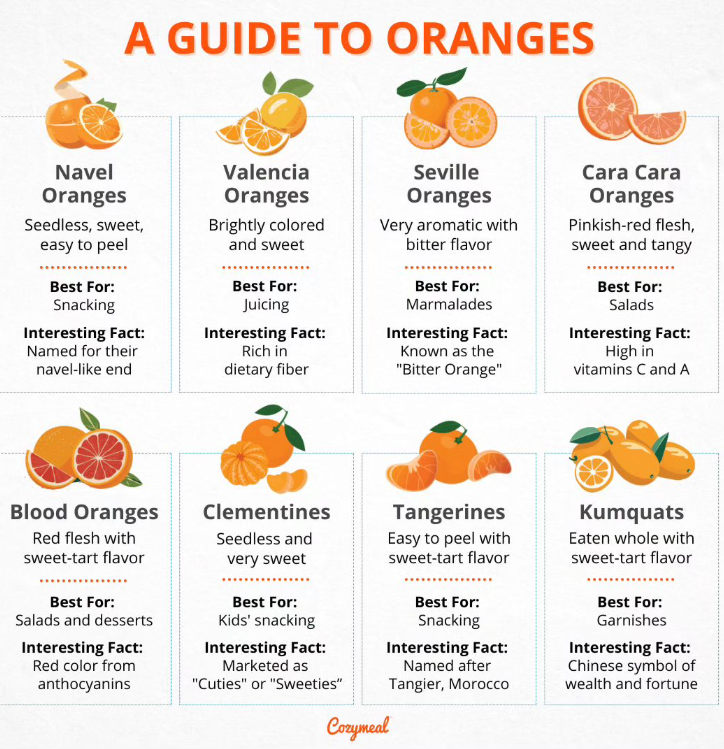
🍊 Unlock the Secrets of Oranges! 🍊 From sweet Navel Oranges to tart Kumquats, our guide breaks down the best varieties for snacking, juicing, and more! Which orange is your go-to? Share your favorite in the comments and tag a friend who loves citrus! 🍊✨ #fruits#oranges#citrus#tropical







 Foodaware