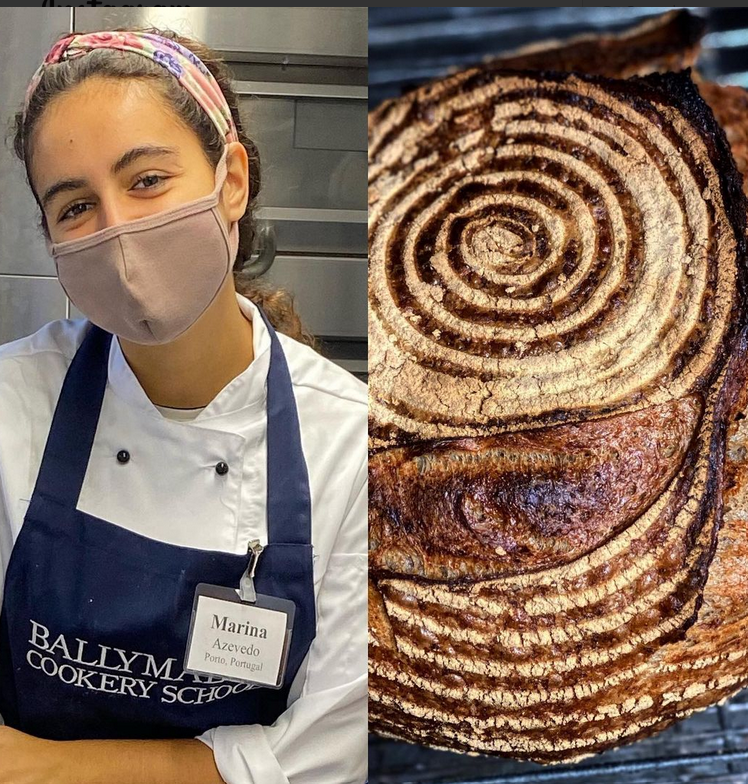
Sharon Hearne Smith’s Sesame Seed Porridge Bread from Today with Maura and Dáithí.
Ingredients
This is an unusual bread recipe, based on porridge oats and yoghurt instead of flour and water. It is quick, easy and virtually foolproof to make.
Use any selection of seeds you prefer instead of sesame seeds, or omit them altogether for a plain bread. Alternatively, add other flavours like nuts and dried fruits or sundried tomatoes and basil or a swirl of pesto would be delicious too. This bread stays quite moist and fresh for a few days stored in an airtight container.
Makes: 1 loaf (about 12 slices)
Sunflower oil for greasing
500g tub natural yoghurt
100ml milk
2 tbsp olive oil
2 tbsp sesame seeds + extra for sprinkling
2 tsp bicarbonate of soda
2 x 500ml yoghurt tubs of porridge oats (or 400g)
butter for serving, optional
Method
Preheat the oven to 200C (fan 180C), 400F, Gas Mark 6. Grease a 1Lb loaf tin (approximately 3 x 5 x 7 inch) with parchment paper and grease again.
Scoop the yoghurt into a large bowl. Add the milk, oil, sesame seeds and bicarbonate of soda and mix until well blended.
Fill a clean and dry yoghurt tub with oats and tip them in. Repeat with a second tub of oats. Alternatively, weigh out 400g of oats on a scales.
Mix everything together until well blended.
Spoon into the prepared tin, spreading the top level. Scatter a small handful of sesame seeds on top.
Bake for 45 minutes or until golden brown and a skewer comes out clean when pierced in the middle.
Remove from the tin and return the loaf to oven, directly on the shelf, for another 5 minutes to dry out the crust.
Remove and leave to cool on a wire rack. Cut into slices and serve spread with a little butter if liked.
When you think of bananas, you probably imagine the ripe, sweet ones. But raw bananas—the unripe variety—are just as powerful when it comes to health benefits. Unlike their sweet friends, they’re packed with resistant starch, fibre, and essential nutrients that make them a game-changer for digestion, weight management, and overall health.
From supporting gut health to keeping blood sugar in check, the benefits of raw bananas are seriously underrated. In this blog, we’ll discuss the banana’s nutritional value, top health benefits, and the best ways to include it in your diet.
What Are Raw Bananas?
Raw bananas are merely unripe green bananas that are starchier, tougher, and less sweet than bananas when they are ripe. They’re popular in Indian, Thai, and Caribbean cooking, usually cooked into flavorful dishes, stir-fries, or even fried as chips.
What makes them special? It’s the amazing nutrients in raw bananas. The banana’s raw nutrition consists of:
Resistant starch – A special fibre that enhances digestion and aids in weight loss.
Potassium – Sustains muscle and heart function.
Vitamin C – Increases immunity and skin.
Vitamin B6 – Required for brain function and metabolism.
Magnesium – Aids muscle repair and bone development.
With so many nutrients in raw bananas, it’s little wonder that the benefits of eating raw bananas translate to numerous areas of health.
15 Health Benefits of Raw Bananas
Below are 15 awesome health benefits of raw bananas and why you should consume raw bananas daily:
1. Promotes Gut Health
One of the greatest benefits of raw bananas is that they enhance digestion. The resistant starch in raw bananas serves as a prebiotic, i.e., it provides the good bacteria in your stomach. These beneficial bacteria are responsible for food breakdown, nutrient absorption, and inhibiting bloating, gas, and constipation. [1] A proper gut microbiome also enhances immunity and inhibits digestive disorders like IBS (Irritable Bowel Syndrome).
2. Promotes Weight Loss
When dieting for weight reduction, raw bananas are to your rescue. The fibre and resistant starch content of raw bananas keep you satiated for longer, doing away with unwanted snacking. As opposed to ripe bananas, which contain more sugar, raw bananas contain complex carbohydrates, which get digested slowly, ensuring constant metabolism. Raw bananas also suppress insulin surges, leading to fat storage.
3. Regulates Blood Sugar Levels
For insulin-resistant individuals or diabetics, raw bananas are a smart food choice. The nutrients in raw bananas contain resistant starch, which does not break down the carbohydrates immediately. This results in a slow release of sugar into the bloodstream, thus avoiding sudden peaks and dumps. Eating them regularly enhances the sensitivity of insulin, allowing the body to control blood sugar levels naturally.
4. Improves Heart Health
Raw bananas are rich in potassium, which is a mineral that assists in maintaining blood pressure. Potassium controls the body’s sodium to avoid high blood pressure and also lightens the workload of the heart. Raw banana nutrients also control healthy cholesterol levels by lowering LDL (bad cholesterol) and raising HDL (good cholesterol), lowering the risk of stroke and heart disease. [2]
5. Controls Digestive Health
If you have digestive problems, incorporating raw bananas into your diet can be magical. High fibre content ensures smooth digestion and reduces the risk of constipation. Meanwhile, their resistant starch behaves like a natural equaliser, calming the digestive tract and warding off diarrhoea and bloating. Additionally, they are rich in tannins, which possess gentle astringent characteristics that cure loose stools. [3]
6. Enhances Insulin Sensitivity
Insulin sensitivity refers to how your cells absorb insulin and utilise glucose to produce energy. Insulin resistance is a primary cause of Type 2 diabetes. It has been found that raw bananas contain resistant starch, and consuming them makes one more insulin sensitive, thus adding them to the list as an ideal product for a diet-balanced diabetic life. [4] Regular consumption is said to fight insulin resistance and support the improved control of blood sugar levels.
7. Strengthens Bones
Raw bananas are rich in magnesium, a mineral that promotes calcium absorption and bone density. Raw bananas are also beneficial for preventing osteoporosis and ensuring healthy bones during old age. Magnesium has the function of contracting and relaxing muscles and hence is required for bone and muscle health in general.
8. Reduces Inflammation
Inflammation is the cause of most chronic conditions, such as arthritis, heart disease, and even cancer. [5] Raw bananas are a storehouse of antioxidants and vitamin C, which fight oxidative stress and reduce inflammation in the body. Raw bananas protect the body from cell damage by fighting free radicals, slowing down ageing, and making the body healthier.
9. Stimulates Brain Function
Raw bananas can also stimulate the brain. They contain vitamin B6, which is important for the synthesis of neurotransmitters such as serotonin and dopamine. These brain chemicals control mood, sleep, and thinking. Raw bananas can improve memory, focus, and overall mental health and cut the risk of neurological disorders. [6]
10. Helps Control Diarrhoea
Among the main benefits of eating raw bananas is that a raw banana helps relieve diarrhoea effectively. Raw bananas have high levels of pectin and tannins that work to remove excess water content from the intestines, compacting loose motions. Their electrolytes are also lost and have to be restored in the process. This explains why raw bananas have been particularly advocated as an unprocessed, organic remedy to deal with diarrhoea according to customary medicinal practices.
11. Keeps Kidney Stones Away
Kidney stones occur when calcium and other minerals tend to deposit themselves in the kidneys. The presence of potassium in raw bananas serves to prevent that by ensuring excessive calcium is being removed through the urine rather than deposited and forming stones. The magnesium in them also serves to maintain healthy kidneys and curb the risk of urinary tract infections (UTIs).
12. Offers Long-Term Energy
Unlike energy-crushing candies, raw bananas are a long-lasting source of energy. Their slow-digesting complex carbohydrates deliver energy throughout the day. This is a perfect pre-workout food since it provides you with the energy you require without overdriving your blood sugar levels.
13. Supports Skin Health
Raw bananas are beneficial for your skin as well! Antioxidants and vitamin C in raw bananas fight off free radicals, preventing premature ageing, keeping your skin shining and firm, and triggering skin elasticity and healing due to the production of collagen. Mashed raw bananas applied as a face pack can calm acne, redness, and dryness.
14. Aids Muscle Recovery
If you are getting muscle cramps or pain after exercising daily, raw bananas can be your resort. Raw bananas contain magnesium and potassium, which have a significant role in repairing muscles by inhibiting inflammation and cramps. Sports athletes and health-conscious people eat raw bananas to quicken recovery after exercise and enhance the functioning of muscles.
15. Naturally Gluten-Free
Raw bananas are a very good substitute for normal grains for individuals suffering from gluten intolerance or celiac disease. Raw bananas can be converted into gluten-free banana flour and can be consumed as an excellent wheat flour substitute while cooking. Raw bananas are thus a good and versatile source of sustenance for individuals seeking to do away with gluten intake yet achieve the taste of scrumptious and healthy foods.
This tomato, cucumber and avocado sandwich is the perfect light and easy lunch. With just a few fresh ingredients, you can have a satisfying meal in just 10 minutes. Creamy avocado and hummus provide plant-based protein and healthy fats, while juicy tomatoes and crisp cucumbers bring refreshing crunch and flavor. Layer it all on whole-grain bread for an extra boost of fiber, and you’ve got a quick and wholesome sandwich at the ready!
Refreshing, light and satisfying, our Cucumber-Avocado-Tomato Sandwich is an easy and delicious lunch that will really hit the spot. Every sandwich starts with and needs a good condiment. For this one, we amplify store-bought hummus with the sweet tang of honey mustard and fresh dill for a hit of herby brightness. Then we stack on the fiber-packed veggies: cucumbers and onions give a nice crunch and contrast to the creamy, heart-healthy avocado and the juicy tomato; the alfalfa sprouts add great texture. Cheddar cheese adds bone-boosting calcium and a salty, sharp flavor that complements the fresh veggies perfectly, and hearty toasted whole-wheat bread is the perfect vessel for all these wholesome toppings. Keep reading for our expert tips, including recommendations on swapping out hummus flavors.
Tips from the EatingWell Test Kitchen
These are the key tips we learned while developing and testing this recipe in our Test Kitchen to make sure it works, tastes great and is good for you too!
Experiment with different flavors of hummus for your spread. Try garlic hummus, dill pickle hummus or even make your own. To prepare a batch of our Classic Hummus, use a food processor and add a handful of ingredients: garlic, chickpeas, lemon juice, olive oil, tahini and salt. Best of all, this flavor-spiked hummus takes just 10 minutes to make!
While a chef’s knife can cut cucumbers, a serrated knife is more effective for slicing tomatoes. The serrated edge easily cuts through the skin and flesh without damaging the soft interior.
Nutrition Notes
Cucumbers aren’t brimming with the typical vitamins and minerals that you’ll find in many fruits and vegetables, but they are an important vegetable because they contain antioxidant phytonutrients that can help protect against inflammation. They are also more than 95% water, which makes them a hydrating vegetable—great for your skin.
Avocados are known for being high in fat, but it’s the type of fat that your heart loves: monounsaturated fat. Avocados are also brimming with fiber, which has been shown to improve the health of the microbiome, and impacts your health in many ways, including strengthening your immune system, improving cognition and lowering inflammation.
There are few things tastier than a really good tomato, and they are really good for you. Tomatoes are high in vitamin C, which is essential for healthy immune function. They are also high in a carotenoid called lycopene, an antioxidant that helps maintain healthy cells throughout the body, and eating foods with lycopene regularly can help lower your risk of heart disease.
Whole-wheat bread is a heartier choice of bread for this sandwich and you’ll get the benefit of more nutrients and more fiber. Eating more fiber can lead to better digestive health. Whole-wheat bread is also a source of important B vitamins—essential for your working metabolism.
Ingredients
¼ cup plain hummus
1 tablespoon chopped fresh dill
1½ teaspoons honey mustard
2 thin slices whole-wheat bread, toasted
1 (1-ounce) slice sharp Cheddar cheese
½ small tomato, thinly sliced
¼ medium avocado, thinly sliced
¼ cup alfalfa sprouts
¼ cup thinly sliced English cucumber
1 tablespoon thinly sliced red onion
Pinch of salt
Directions
Stir ¼ cup hummus, 1 tablespoon dill and 1½ teaspoons honey mustard together in a small bowl until well combined. Spread the hummus mixture on 1 side of each of 2 toast slices. Layer 1 cheese slice, tomato slices, avocado slices, ¼ cup alfalfa sprouts, ¼ cup cucumber and 1 tablespoon red onion over the hummus on 1 toast slice; sprinkle with salt. Top with the remaining toast slice, hummus-side down. Cut the sandwich in half diagonally.