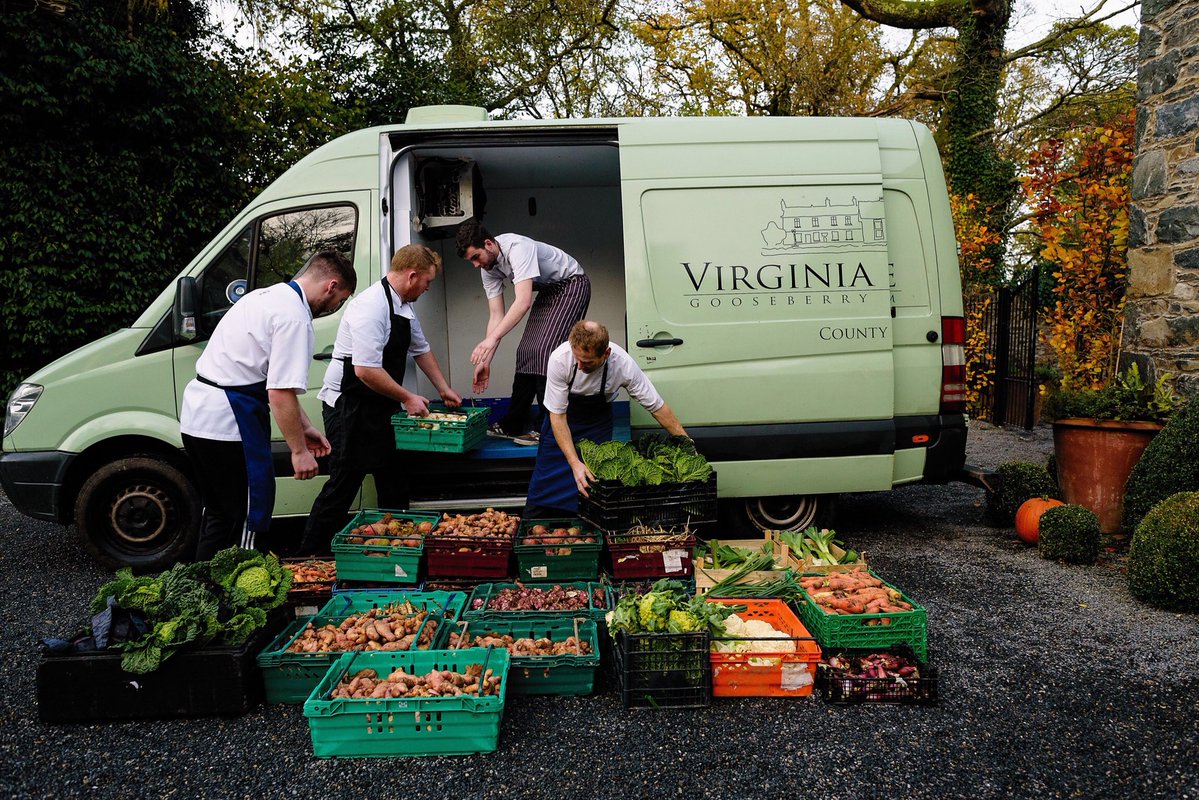
ballymaloecookeryschool New season potatoes are being dug daily here at Ballymaloe Cookery School and delivered up to the Farm Shop by the hardworking gardeners. The pic of @rachelallencooks is from last year when everyone (literally) dug in during the lockdown and helped out anywhere they could. Thank goodness things are begining to look a little more normal. Swing by the shop and grab a bag of Homegrown Organic Spuds at The Farm Shop. Bring them home and gently boil in salted water, slather with some delicious butter and a sprinkling of @maldonsalt. It couldn’t be more #SimplyDelicious
Our team on the farm snapped this photo of our beautiful wildflower patch using native Irish wildflower seeds that provide essential food to feed our bees and natural pollinators. #SaveTheBees#IrishWildflowers#NativeIrishPollinators
Life feels good when we have a strong connection with nature Someone can feel connected with nature by simply stopping to listen to the birds, or really notice the beauty of a plant or a sky. grown for nature #community#nature#trees#ireland#grownfornature#connection
Life feels good when we have a strong connection with nature Someone can feel connected with nature by simply stopping to listen to the birds, or really notice the beauty of a plant or a sky. grown for nature #community#nature#trees#ireland#grownfornature#connection
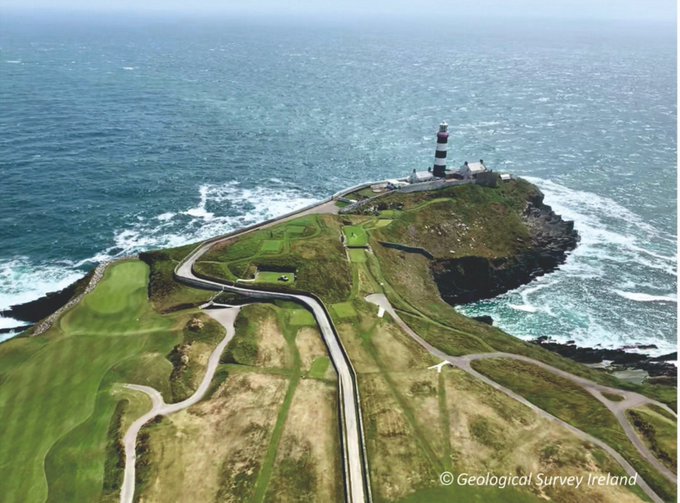
The Old Head of Kinsale Lighthouse was established in the 17th century by Robert Reading, who also built Hook Head Lighthouse in Wexford. For more facts about #Ireland view our Story Map
I am never quite sure if I should be calling this a cake or a tart but in any event, it is delicious and quite easy to make.
Ingredients
I am never quite sure if I should be calling this a cake or a tart but in any event, it is delicious and quite easy to make.
The origins of the recipe are from Tuscany in Italy but I like to use highly perfumed Irish dessert apples when in season. Look out for some lesser known but very delicious Irish dessert apples such as Irish Peach and Ardcairn Russet.
Serves 8
10g butter melted for greasing the parchment paper
4 dessert apples
Finely grated zest of 2 lemons
1 teaspoon vanilla extract
250g caster sugar
2 eggs
150ml cream
110g butter melted and cooled
125g whole almonds, blanched, peeled and ground to a fine powder in a food processer or ground almonds
110g plain flour sieved
1 ½ teaspoons baking powder sieved
100g of apricot jam
1 tablespoon lemon juice, warmed and sieved
2 tablespoons of chopped sweet geranium leaves ( optional)
Method
Preheat the oven to 180c / 350 f / gas 4
Line a 28cm flan ring with a removable base with a disc of parchment paper. The paper should in one piece cover the base and sides of the tin and come up 1cm above the edge of the tin. Brush the paper with a little melted butter.
Peel, core and quarter the apples and slice into c 3mm slices. Mix with the lemon zest. Whisk the vanilla, sugar, and eggs to a thick and light consistency similar to a batter. Whisk in the cream and cooled melted butter. Fold in the almonds, flour and baking powder. Add ¾ of the sliced apples, being careful not to break the apple slices.
Pour the mixture into the prepared flan ring and gently smooth over the surface. Scatter the remaining apples over the surface and sprinkle with 1 dessertspoon of caster sugar.
Place in the preheated oven and cook for 20 minutes. Reduce the temperature to 160c etc and cook for a further 40 minutes by which time the tart will feel gently set. It may be necessary to cover the tart during the cooking with a sheet of parchment paper if the tart is getting too dark.
Remove from the oven and allow to cool slightly. While the tart is still warm, Paint the surfaced with the warm sieved apricot jam to achieve a glossy glaze and if using the chopped geranium, sprinkle on immediately after glazing the tart.


 shWildflowers