

datsescafeandcakes
Coffee loading……#coffeelover #coffeetime#cafe #café #cavan#ireland @coffee_perfection

Nutrition key to sound health

https://www.instagram.com/reel/CsB0CI1PFmI/?igshid=MTc4MmM1YmI2Ng==
 bordbia


January 13, 2026
Cabbage often—and unfairly—gets overlooked, with flashier veggies and protein-dense superfoods getting all the attention. But as far as nutritional food options go, the leafy green is pretty hard to beat. A staple in different cuisines (American coleslaw! Middle Eastern malfouf! Chinese suan la bai cai!), cabbage has been a longtime favorite amongst global chefs.
“Much of this stems from its versatility,” Woldy Reyes, chef and author of the cookbook In the Kusina: My Seasonal Filipino Cooking, tells Vogue. “We are seeing a growing trend of chefs utilizing it as a centerpiece, such as cabbage steaks, rather than as a side dish. The culinary appeal has never been stronger.”
“Its popularity stems from its ability to transform,” adds Tatiana Mora, chef of plant-based Michelin star restaurant Mita. “It can be eaten raw, fermented, steamed, roasted, or sautéed, consistently providing flavor, texture, and nutrition. I love it because it is a noble vegetable that grows easily, keeps well, and can be used almost entirely, making it perfect for a conscious and respectful approach to cooking.”
It’s accessible, easy to cook, and delicious. Here are all the reasons cabbage deserves a seat at your table (get it?) in 2026.
Cabbage is a leafy green that is part of the brassica plant family (which also includes broccoli, cauliflower, brussels sprouts, and kale), says Amy Shapiro, RD, registered dietitian and founder of Real Nutrition. It comes in several varieties, but the most common ones you’ll see are green, red (or purple), and savoy. What makes cabbage different from other leafy greens is its density and durability. “It’s heartier, stores longer, and holds up well to cooking, fermenting, and shredding,” Shapiro says. “Nutritionally, it shares many benefits with other cruciferous vegetables, but it’s often milder in flavor and more versatile across cuisines.”
Besides its versatility, one of the main benefits of cabbage is its many nutrients. Shapiro lists other main benefits of the leafy green:
Supports Gut Health
Shapiro says that, because cabbage contains fiber and other compounds that support digestion, eating this leafy green can benefit the gut bacteria and boost gut health.
Anti-Inflammatory Properties
Cabbage is also rich in antioxidants and phytonutrients that studies have shown can reduce inflammation, she says.
Boosts Heart Health
Along with fiber, cabbage has potassium, which supports healthy cholesterol levels and blood pressure. Cabbage also has vitamin K, which is essential for blood clotting (and bone health). Shapiro points to red cabbage in particular, which she says contains antioxidants called anthocyanins that studies have shown can improve brain and heart health.
Regulates Blood Sugar
Cabbage is low in calories and carbs while being high in fiber, which can help stabilize glucose levels in the body.
Boosts Immune System
Shapiro says that cabbage is rich in sulfur-containing compounds to help strengthen your immune system’s defences—and vitamin C, which studies have shown can provide antioxidant protection and support immune health.
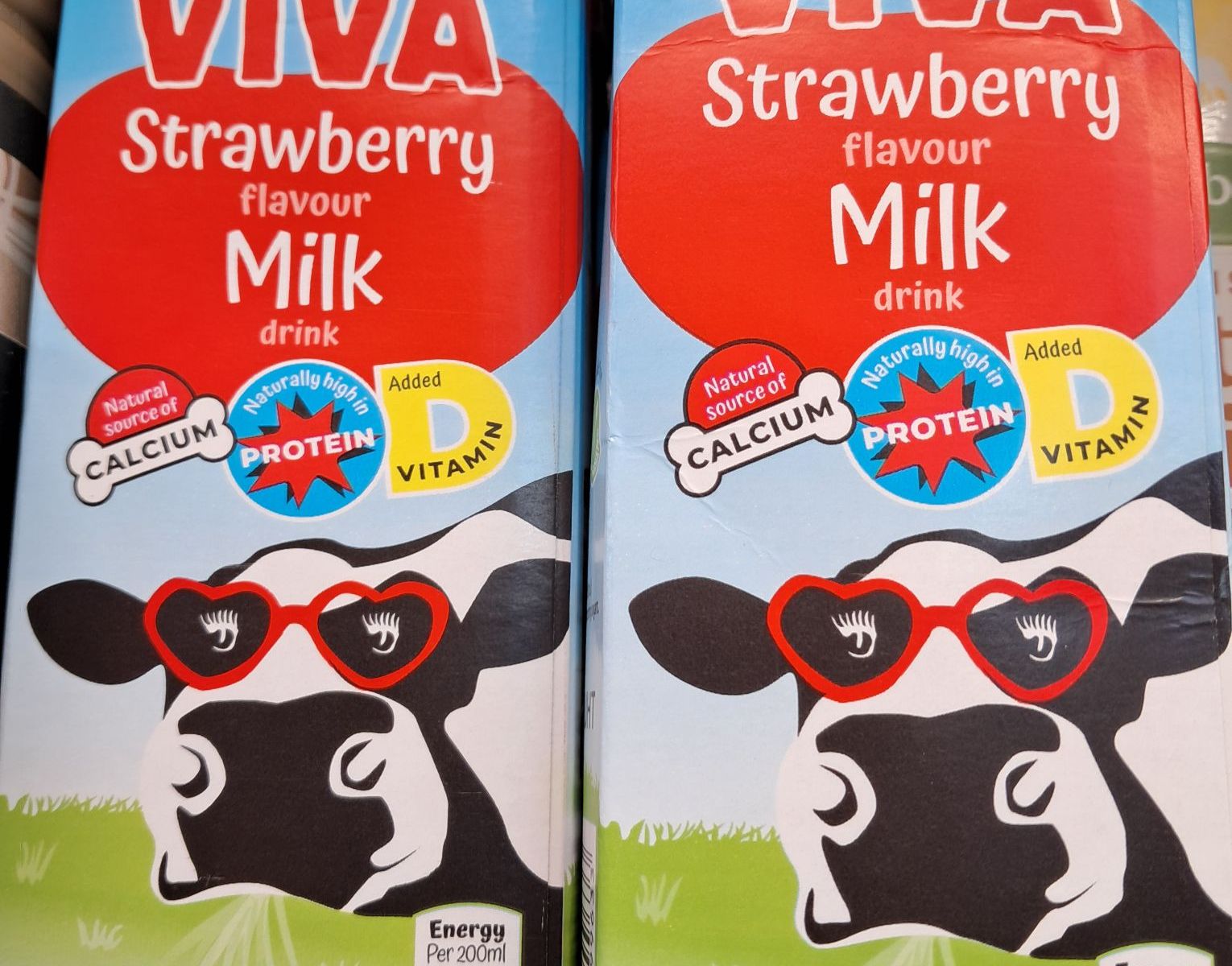
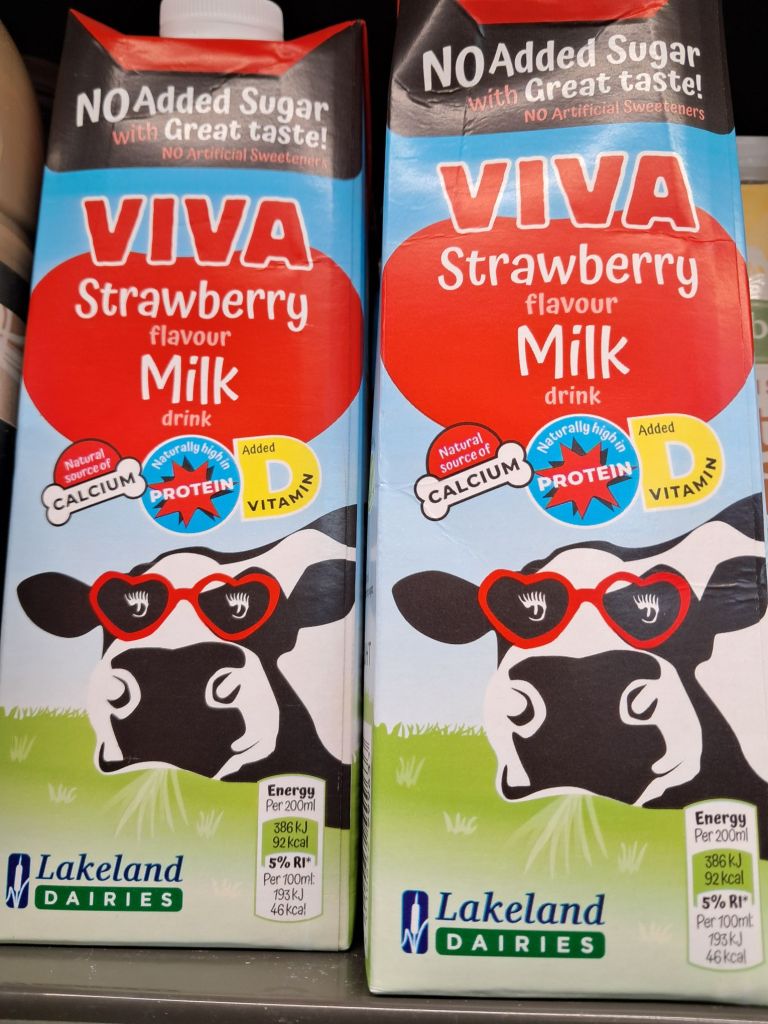
Aldi Ireland 🇮🇪


Pastry
Pastry
https://www.instagram.com/reel/DJgzGMdijey/?igsh=dmZoZ3VrZXo0MzZt



and
Liked by alinaberehoiu and others

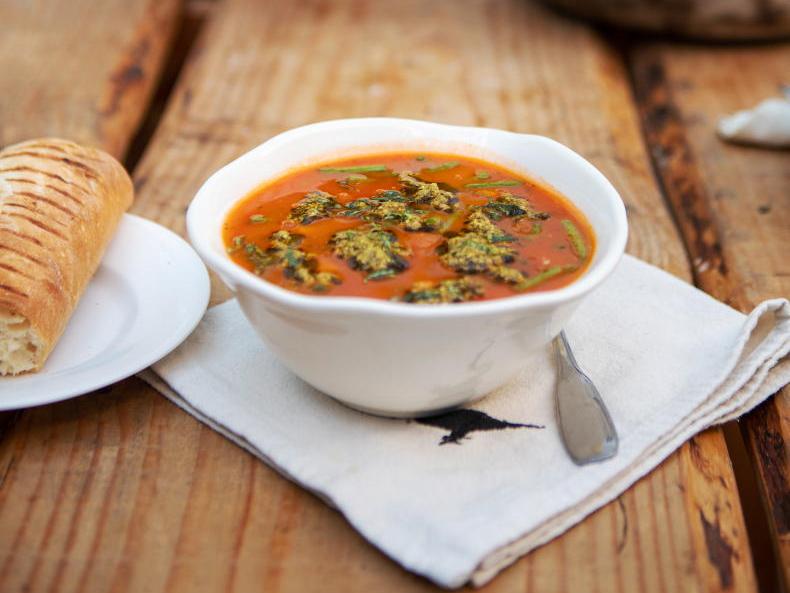

I adore this delicious and nutritious soup. It’s great either for family suppers or for a dinner party. The soup can be frozen and the Dubliner toasts prepared in advance, then grilled at the last moment. Ideal if you need a meal in an instant. Rachel Allen
Melt the butter in a medium to large saucepan, and add the potatoes and onion, salt and pepper. Cover with a piece of wax paper and sweat over a gentle heat for 10 minutes. Meanwhile, cut the broccoli florets from the stalk. Using a small knife, remove the outer layer of skin from the stalk and discard, then chop the stalk into 1/2-inch pieces. Add to the onion and potato, cover and sweat for a further 5 minutes. Add the hot stock to the potatoes, onion and broccoli stalk, bring up to a boil, then add the chopped broccoli florets. Boil without the lid over a high heat for 4–5 minutes until soft, then add the cream. Remove from the heat, puree in a blender and season to taste.To make the Dubliner toasts, toast the bread on both sides, sprinkle with grated Dubliner Cheese and pop under a hot grill or into a hot oven for 2 minutes or until the cheese melts. Cut the toast into fingers and serve on the side with the soup.
 Foodaware